
Ever wonder if your digital money is truly safe? It might seem like all crypto wallets are the same, but each one offers its own mix of speed and protection.
Some wallets let you get to your funds quickly with online tools, while others keep your secret keys offline, like storing them in a hidden safe. In this article, we break down how each wallet works so you can choose the best one for your needs.
So, let’s dive in and find the perfect wallet that fits your style and keeps your assets secure.
Overview of Crypto Wallet Types
Crypto wallets help you manage your digital money in a simple way. They create two keys, a public key for sharing and a private key for keeping secure, that let you send and receive coins on networks like Bitcoin, Ethereum, and Solana. Remember, these wallets don't actually store your coins; they just make a record of your transactions and send that info to the blockchain for processing. If you're just getting started, check out Cryptocurrency for Beginners on gotocryptos.com for an easy introduction.
We usually split wallets into two groups: custodial and non-custodial, as well as hot and cold. Custodial wallets have a third party manage your keys for you, while non-custodial wallets give you full control over your keys. Hot wallets stay online all the time for quick access and updates, whereas cold wallets keep your keys offline to lower the risk of hacks. This way, you can pick the one that best fits your needs, whether you want easy recovery or total control.
Each wallet type has its own perks based on what you care about most, convenience, security, or how you handle your assets. Some people prefer hot wallets for everyday use, while others trust cold or non-custodial wallets with larger amounts for extra safety. By understanding how each type handles your public and private keys, you can choose the wallet that matches both your security needs and your style.
Hot vs Cold Crypto Wallet Types
Hot wallets let you access your digital money right away through websites, mobile apps, or computer software. They're always connected to the Internet so you can check your balance or send funds quickly. But since they're online, they're more exposed to hackers. Think of it like a wallet that updates every few seconds, great for fast trades, but you need to be extra careful.
Cold wallets work differently by keeping your private keys (the secret codes that secure your money) offline. They use storage options like special hardware devices or even paper, so your keys never connect to the Internet. For example, a paper wallet means you print out your keys and keep them safe from digital attacks. This method is ideal if you plan to hold your digital money for a long time instead of making regular transactions.
Your choice depends on what you need. Hot wallets are perfect for everyday trades and quick checks, while cold wallets offer the best security for storing larger amounts over time. Many people end up using both, a hot wallet for day-to-day use and a cold wallet for long-term savings. It’s all about balancing convenience against security.
Hardware Crypto Wallets for Offline Security
Hardware wallets are small devices built to keep your crypto keys safe. They create and store your private keys without ever connecting to the internet. Think of it like a tiny safe that locks your keys away from online dangers.
These devices include handy features like PIN locks, backup seed phrases, and sturdy cases to stop tampering. They are designed to fight off malware and phishing attempts, keeping any unwanted intruders at bay. This offline storage is a great choice if you own a significant amount of cryptocurrency because it provides strong protection with very little risk.
With more online threats popping up every day, hardware wallets serve as a trusted defense by keeping your keys in a cool, offline space. They work on their own, away from computers or smartphones that are always online. This means your digital money is handled safely, yet you can still easily manage your transactions. It’s a smart way to secure your assets and keep your crypto journey worry-free.
Software Crypto Wallets: Web, Desktop, Mobile
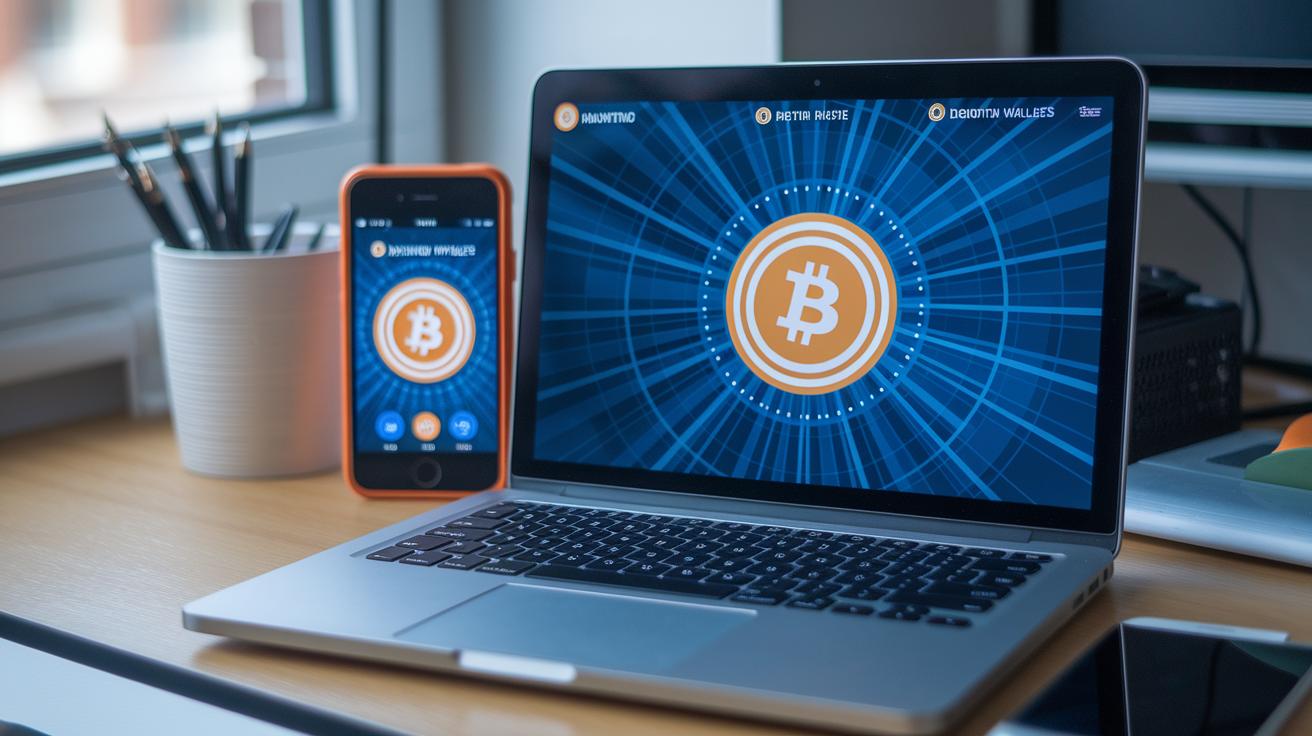
Software wallets let you manage your digital coins on your computer or phone, and you keep full control of your private keys. They’re easy to use and flexible, ideal for anyone valuing speed and simple access.
Web Wallets
Web wallets work as browser add-ons that store your keys online. They are super easy to use; for example, MetaMask connects you quickly to decentralized apps. But since your keys stay online, they are more at risk for cyberattacks, so you should handle them with care.
Desktop Wallets
Desktop wallets are apps you install on your computer. They let you keep your keys safe by keeping them off the internet most of the time. These wallets provide lots of features and let you manage several coins without a third party, making them a solid choice if you want stronger local control.
Mobile Wallets
Mobile wallets are apps for your smartphone that offer quick, on-the-go access. They let you scan QR codes, send and receive alerts, and often use your fingerprint or face for extra security. This makes them a smart update for everyday trading where speed and convenience matter.
Choosing the right software wallet means weighing ease of use against security, depending on how often you trade and how much protection you need.
Custodial vs Non-Custodial Crypto Wallet Types
Custodial wallets work a bit like letting a trusted friend handle your secret keys. With these wallets, a third party such as an exchange or platform keeps your private keys safe for you. Your private keys are like a special password that lets you control your money, so having someone else manage them makes it easier if you ever forget your details. But, it also means you don’t have full control over your funds.
Non-custodial wallets, on the other hand, let you be your own boss. With these, you handle and safeguard your own private keys, so no one else can access or recover your funds. This setup is great if you really value security and being in charge. Many non-custodial wallets even add an extra step of safety with multi-signature approval, which means a few people or devices must confirm a transaction before it goes through. And, it’s super important to back up your secret seed phrases by writing them down and storing them safely, away from your device.
When you’re choosing a wallet, think about what matters most to you. Do you need the comfort of someone else being able to help out if you’re locked out, or do you prefer having complete control over your crypto? Consider how active you are with trading and how much risk you’re okay with. For more tips on picking the right wallet and setting things up, check out How to Start Investing in Crypto to help you make a choice that feels just right.
Comparative Matrix of Crypto Wallet Types
Our guide below is a friendly look at the different crypto wallets available. It breaks down wallet types by levels of safety, convenience, backup options, and what they are best used for. For example, a hot wallet gives you quick access for daily trades but isn't as secure, while cold and hardware wallets keep your funds extra safe for long-term storage. You might also notice the difference between custodial wallets, where someone helps manage your keys, and non-custodial wallets, where you have full control.
| Wallet Type | Security Level | Convenience | Recovery Options | Ideal Use Case |
|---|---|---|---|---|
| Hot Wallet | Moderate | High | Limited | Frequent transactions |
| Cold Wallet | High | Low | Manual backup | Long-term storage |
| Hardware Wallet | Very High | Moderate | Seed phrase backup | Large holdings offline |
| Software Wallet | Varies | High | Often assisted | Day-to-day transactions |
| Custodial vs Non-Custodial | Varies | Variable | Easy vs self-managed | Balance of trust and control |
This breakdown helps you see the trade-offs between fast access and stronger security. If you need to move your crypto quickly, a hot wallet might be ideal. But if you are looking to protect your assets from online risks, a hardware wallet is a smart choice. Custodial wallets offer a simpler backup process, although they mean trusting a third party. On the other hand, non-custodial wallets give you full control over your keys. Use this guide to match the wallet with your personal trading habits and security needs.
Final Words
In the action of exploring crypto wallet types, the blog dissected everything from the basics of crypto wallets to hot versus cold storage. It offered clear explanations of hardware and software solutions and weighed the benefits of custodial versus non-custodial approaches.
The guide also compared different storage methods side by side, making it easier to understand which option fits your needs. Positive outcomes await smart, secure digital investments when you choose the right crypto wallets for your strategy.