

Ever wondered why a blockchain splits into two? Picture driving down a street when suddenly it forks, leading you down different paths. This split is called a blockchain fork, and it lets new ideas emerge while still keeping the history safe.
There are two main types of forks. A soft fork makes small changes that let older versions continue to work. A hard fork changes the rules completely, so everyone needs to update their system to join in.
In this article, we'll walk through how these changes happen. You'll see how updates help preserve the past while opening the door to fresh features. It’s a neat way of balancing tradition with change in the world of digital ledgers.
Blockchain Forks Defined: Core Concepts and Mechanisms

Blockchain forks occur when the rules of a blockchain are changed without removing the transactions that have already been verified. Think of it like a developer creating a new branch from a main codebase while keeping the original intact. It’s a bit like when programmers used to split code to try out fresh ideas, much like diverting a river to navigate a new route.
When changes are needed, users or developers update the network’s rules by forking the source code. In simple terms, they intentionally adjust how transactions get checked and recorded. This idea comes straight from software development and is a unique way to refresh open-source systems like cryptocurrencies without starting over from scratch.
Even after such a fork, every verified transaction remains safely recorded. The process doesn’t wipe away history; instead, it sets new guidelines for how future transactions should work. This setup allows the blockchain to solve issues or add new features while keeping its past data secure.
Forks happen naturally in communities that prize both progress and trust. They strike a balance between moving forward and preserving the records that build the network’s reliability.
Blockchain Forks Comparison: Hard vs Soft
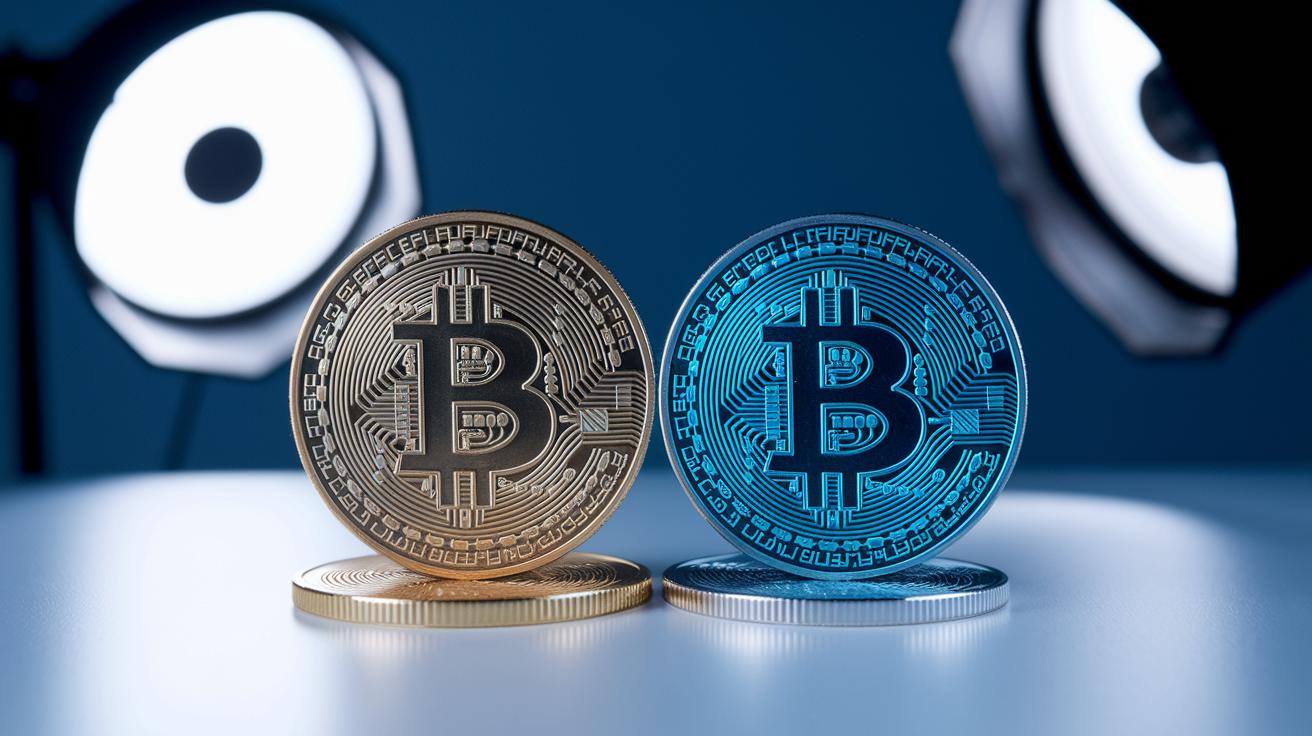
Blockchain forks come in two flavors. In a soft fork, updates are made in a way that still works with the older software. Updated nodes can still understand blocks made by those using the older version. A little software patch can keep the network running smoothly even if not everyone upgrades right away. This makes the change feel gentle, letting both new and old rules work side by side.
On the other hand, a hard fork introduces changes that don't play well with the old version. After a hard fork, the network splits into two different chains because what counts as a valid transaction on one chain might not be on the other. Every participant needs to update their software to stick with the new rules. Think of it like your favorite game getting an upgrade that needs you to download the latest version to keep playing. Often, token holders see new tokens on the updated chain, reflecting their share in both versions.
Blockchain forks need everyone on the network to agree, which makes their process unique compared to regular software updates. Soft forks are easier to get everyone on board since the updates blend with what already works. With hard forks, every participant has to decide to switch or risk ending up on a separate chain with its own set of rules. This shows how careful handling of changes is important to keep the network secure and reliable.
understanding blockchain forks: Bright clarity

When you watch blockchain forks happening in real life, the examples make everything crystal clear. Take the SegWit soft fork from August 2017, for instance. It updated Bitcoin’s transaction system so that data flowed more smoothly, yet still kept older records accessible. Fun fact: before SegWit, Bitcoin transactions were much bulkier, leading to congestion and higher fees.
Hard forks tell a different kind of story. In 2017, both SegWit2x and Bitcoin Cash emerged because groups within the network couldn’t agree on using the same protocol. The result? The original blockchain and a new one ran separately, and token holders ended up with coins on both chains. Think of Ethereum Classic, which started in 2016 after the DAO hack. One group preferred to stick with the original chain while others moved to a new one.
These real-world splits remind us that forks can come from general agreement or deep disagreements among the community. They show how tweaks in the rules can lead to separate digital currencies, each with its unique security steps and market twists.
- Real-world forks show both smooth upgrades and splits born of conflict.
- These splits highlight how consensus, or the lack of it, shapes the future of digital finance.
Blockchain Forks and Consensus: Network Impacts
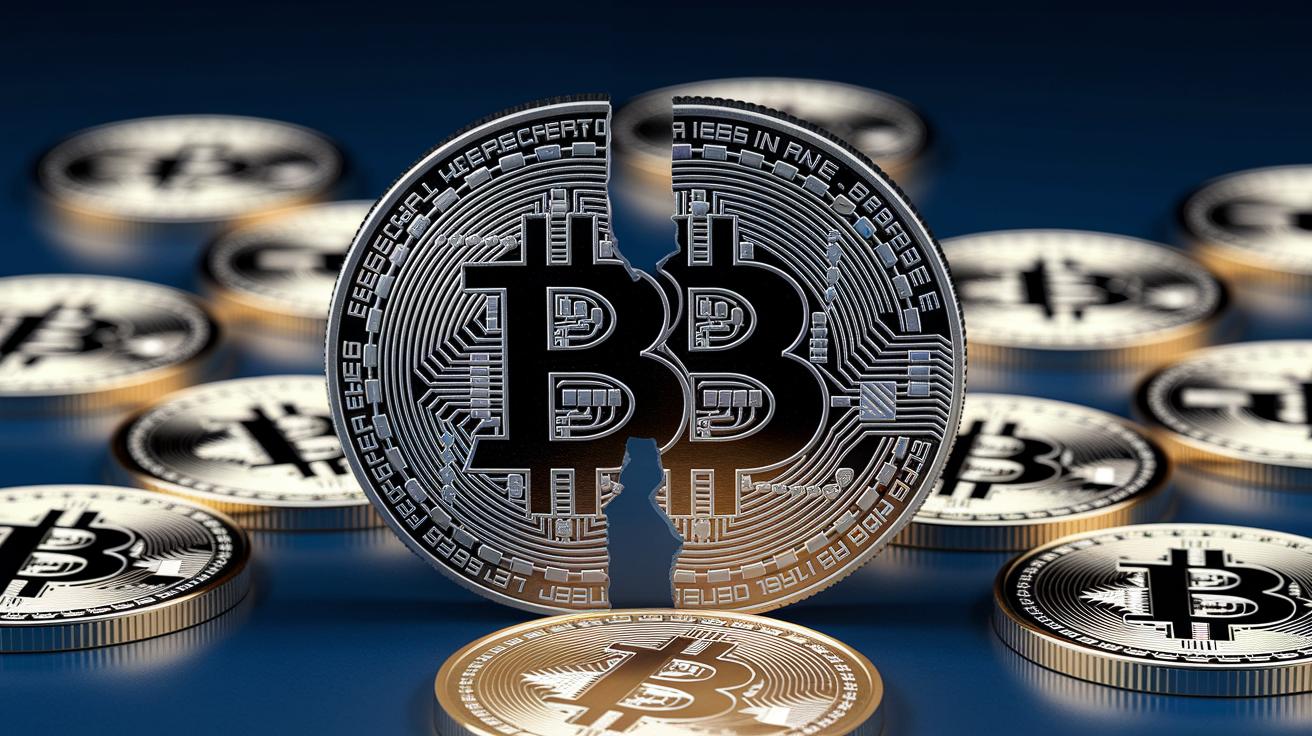
When a blockchain fork happens, every computer in the network needs to follow the new set of rules. Sometimes, a hard fork occurs when some validators decide not to update their software. This creates two separate groups: one that sticks with the old rules and another that follows the updated ones.
Soft forks work a bit differently. They use a majority of miners to enforce the changes. That means even if a computer runs an older version, it can still recognize the new transactions because the updates are made to work with the old system. Think of it like builders updating a bridge while leaving the strong base intact, both new and old parts work together.
Forks can split the record of transactions between two separate chains, like two teams keeping separate financial books after a big reorganization. Later, these teams need to reconcile the differences to show the true balance. This process, called chain reorganization, is vital to keeping the transaction history accurate.
It’s really important that everyone agrees on the rules. If validators can’t agree, the network might become unstable or even unsafe. Keeping everyone on the same page is key to smooth upgrades and building a system that users can trust.
Blockchain Forks Implications: Security and Economic Effects
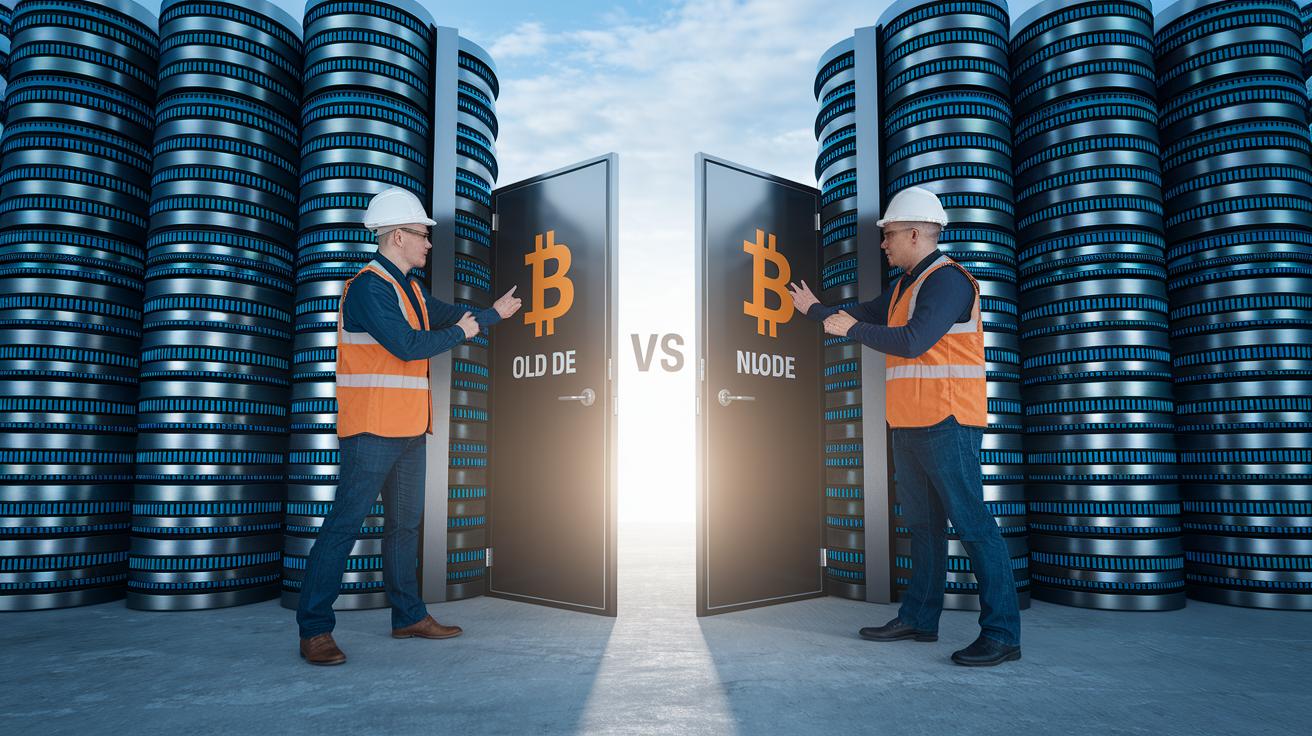
When a blockchain fork happens, it can open the door to security issues. For example, during a hard fork, some nodes might run the old software while others update, much like leaving a door unlocked by mistake. This mismatch makes it easier for hackers to find weak spots. Plus, the chain reorganization process may slow down transactions or create chances for someone to try double-spending, adding a bit of chaos to the system.
Economic factors also play a big role during forks. When new tokens are created, miners and users must decide whether to stick with the updated chain, even as the market shifts. It’s like watching a sudden change in rewards that leaves everyone guessing. These shifts can cause token values to swing wildly, making it hard for anyone to predict what happens next. Sometimes, old tokens lose value quickly while the new ones start to catch on.
Every fork event is a reminder of how challenging it is to change a system built to be permanent. The delicate balance between keeping the network safe, ensuring smooth transactions, and handling fast-changing economic incentives shows why every update needs to be done carefully and in sync with everyone involved.
Blockchain Forks Management: Risk Mitigation Strategies

Developers kick things off by testing changes on special networks called testnets. These let them try out updates without messing up the live system. They also perform careful code reviews to spot any issues early on. For example, one developer might say, "Try your updates on a testnet first; it’s like practicing a play before the show." Using ideas like proposals and on-chain voting makes sure everyone has a chance to weigh in, much like a friendly group chat where every voice is heard.
Rolling out changes gradually gives network users time to adjust. It’s a bit like a team huddle where everyone gets the game plan before the next play. Keeping stakeholders in the loop with clear updates helps the entire system stay on track and lowers the risk of a split.
- Developers use testnets to find weak spots early.
- Code reviews catch problems before the system goes live.
- Voting methods let everyone agree on upgrades.
- Gradual rollouts and open communication help avoid disruptions.
These steps work together to keep blockchain updates safe and the network running smoothly during changes.
Final Words
In the action, we explored the essence of blockchain forks, from their software roots to the split between hard and soft variations. We examined real-world cases and how forks impact network consensus, security, and even economic factors. We then discussed strategies to manage these forks and reduce risks along the way. Every part builds on the goal of deepening your understanding blockchain forks and crafting a secure, smart investment path. Keep building your knowledge and enjoy a bright, secure financial future.
FAQ
Q: What does understanding blockchain forks free mean?
A: Understanding blockchain forks means knowing that changes to the blockchain rules update the network, similar to branching off in software. These updates improve performance and secure the system without altering past transactions.
Q: What are the two types of forks in blockchain?
A: The two types of forks in blockchain are hard forks and soft forks. A hard fork creates non-backward-compatible changes while a soft fork implements updates that older nodes can still recognize.
Q: What is a hard fork in blockchain?
A: A hard fork in blockchain means a change that isn’t backwards compatible. This type forces all network participants to upgrade since transactions on the new chain won’t work on the old one.
Q: What is a soft fork in blockchain?
A: A soft fork in blockchain means an update that remains backward compatible. Updated nodes enforce stricter rules while old nodes still accept blocks, making the transition smoother than a hard fork.
Q: What is the difference between a hard fork and a soft fork in blockchain?
A: The difference lies in compatibility. Hard forks require full network upgrades and create a separate chain, while soft forks allow older protocols to work under new rules with minimal disruption.
Q: Which type of blockchain fork is incompatible with existing rules?
A: A hard fork is incompatible with existing rules because it makes changes that older protocols cannot process, forcing all participants to upgrade for continued network activity.
Q: What do soft fork and hard fork in blockchain represent?
A: Soft and hard forks represent two methods of upgrading. Soft forks apply backward-compatible changes, while hard forks apply non-backward-compatible changes that may lead to a split if consensus isn’t achieved.
Q: What is a private blockchain?
A: A private blockchain is a controlled network that restricts access to select users rather than being open to everyone. This closed approach offers specific security and performance benefits tailored for particular groups.