

Are you ready to rethink your retirement plan? Imagine adding digital coins like Bitcoin or Ethereum, these are types of money that exist only online, to your savings basket.
Many folks start small with crypto and gradually build it up, like slowly filling a digital safe. This article will have an easy conversation about the benefits and risks of mixing these digital currencies with your retirement funds. It shows you how a thoughtful plan can help keep your future secure.
Integrating Crypto Investment for Retirement: Overview and Key Considerations

Investing in crypto for retirement means adding digital coins like Bitcoin or Ethereum to your savings plan. Sometimes, folks start with a small amount of money and see big growth over time. It’s a bit like setting up a secure digital safe for your future, a safe that sometimes feels like it’s riding a wild roller coaster.
Take Bitcoin, for example. In March 2021, its price soared to around $60,000, only to fall to about $31,500 by July. Later, through much of 2023, it stayed near $35,000. This shows that crypto can be very exciting but also unpredictable. One moment you might see a promising rise, and the next, a sharp drop.
Adding crypto to your retirement plan isn’t as simple as buying a few coins. Most regular retirement accounts don’t let you hold digital currencies directly, so you often need to switch your funds to a special self-directed IRA. Plus, every trade you make is taxed like a stock trade. That means you have to be mindful of both short-term and long-term capital gains taxes.
It all comes down to careful planning. Balancing these details is a big part of managing your overall finances (https://gotocryptos.com?p=84) and keeping an eye on how market swings might affect your decisions (https://cfxmagazine.com?p=36028). Taking a thoughtful, informed approach to risk can help you navigate this exciting landscape.
Building a Diversified Crypto Investment for Retirement Portfolio

Planning a crypto retirement portfolio can be a bit like putting together a tasty, well-balanced meal. Instead of relying on one single ingredient, you spread your savings over different coins to help manage the ups and downs of the market. A common setup is to put 60% into Bitcoin and 25% into Ethereum. This way, most of your money goes into coins that everyone knows about, while Ethereum gives you a piece of its growing tech world. The remaining 15% is then divided between stablecoins and small-cap altcoins. Stablecoins, like USDC or USDT, usually make up about 10% of your mix and can earn you a steady return of 4% to 8% a year through things like staking or lending. The last 5% goes into small-cap altcoins, offering a chance to tap into the growth of new projects.
Think of this plan as mixing your favorite salad; each ingredient has its own flavor and texture. If you notice that Bitcoin’s share drifts too far from its target, you can rebalance your portfolio each quarter to bring it back on track. You might even set alerts to let you know when any asset moves more than 5% away from its goal. These regular check-ins help you stick to your targets and keep your long-term financial plans in view, so you’re never surprised by sudden market shifts.
It all comes down to discipline. With a clear target for each asset and a plan to rebalance regularly, you build a strong defense against wild market swings. Instead of chasing every trend, you let your retirement savings work steadily over time.
| Asset Class | Suggested Allocation | Annual Yield Potential |
|---|---|---|
| Bitcoin | 60% | N/A |
| Ethereum | 25% | N/A |
| Stablecoins | 10% | 4–8% |
| Altcoins | 5% | Variable |
Managing Risk in Crypto Investment for Retirement Plans

Crypto markets can be really unpredictable, and keeping your retirement savings safe means you need to manage risk wisely. Take Bitcoin, for example, it dropped almost half its value between March and July 2021. That kind of fast drop reminds us to have strong strategies in place for handling sudden market swings.
Hacks on crypto exchanges have already cost investors over $1 billion since 2015. This shows just how important it is to protect your digital assets. A good way to keep your money safe is to use trusted institutions for storage. Some platforms even offer cold-storage sweeping and regular audits, which help keep your funds secure. When professionals manage your assets in a digital safe, you can worry a little less about the risks of keeping your crypto on less secure exchanges.
Using these safety measures lets you go after potential gains without putting your retirement funds at extra risk. It’s smart to set clear limits on your crypto holdings and have tools ready to act quickly during unstable market periods.
- Store your assets in cold wallets or with trusted institutional custody.
- Limit your crypto exposure to about 10% of your total retirement savings.
- Use tools like automated rebalancing or stop-loss alerts.
- Spread your investments across different blockchain networks.
- Enable multi-factor authentication and update your wallet regularly.
Tax-Efficient Strategies for Crypto Investment in Retirement

Every time you buy or sell your cryptocurrency, it counts as a taxable event. If you sell coins that you've held for less than a year, you’ll face higher short-term capital gains taxes that can really take a bite out of your profits. On the other hand, if you hold onto your crypto for over a year, you benefit from lower long-term tax rates. So, it pays to plan how long you’ll keep your assets before making any moves.
Many investors choose to move their crypto assets into a self-directed IRA to delay paying taxes. With this type of IRA, your investments can grow without tax interference until you withdraw the funds, giving you a longer runway to build wealth. And if you’re looking for tax-free withdrawals later on, a Roth account might be the best option. For instance, Roth 401(k) crypto options let your investments grow tax-free, which is a big plus compared to regular crypto accounts that might force you to sell some assets just to cover taxes.
Taking careful steps to reduce taxable events in your crypto retirement plan is essential. Shifting funds into a self-directed IRA or opting for a Roth structure can help balance out tax pressures over time. Consider making tax efficiency one of the key ingredients for a secure, well-rounded retirement strategy for your digital assets.
Selecting Crypto IRA Platforms and Tools for Retirement Investment
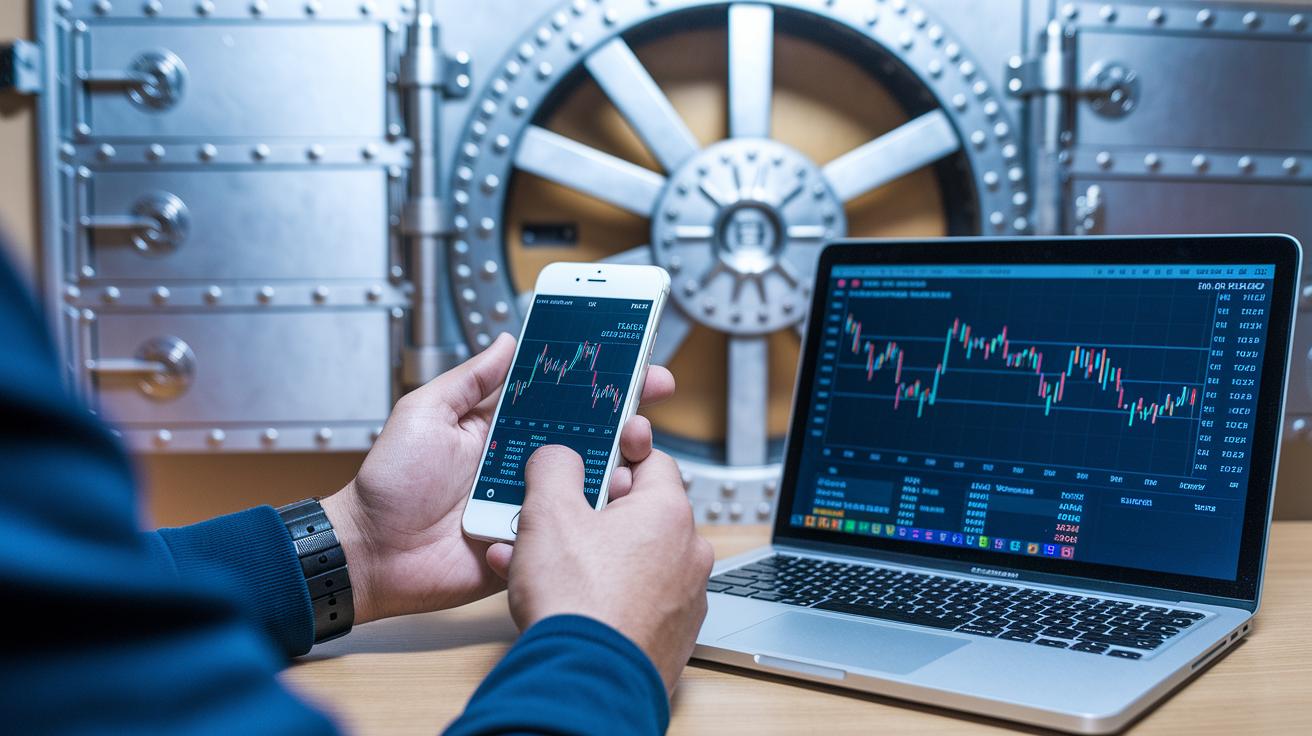
Self-Directed Crypto IRAs let you add digital assets like Bitcoin, Ethereum, and popular altcoins to your retirement plan. These accounts come with annual fees of around 0.5% to 1.5%. Think of moving your money into a self-directed IRA as a smooth upgrade to your long-term savings toolkit, simple, clear, and secure. The rollover process is set up to be straightforward so your assets keep growing without much fuss.
401(k) Crypto Windows bring digital investments into your employer-sponsored retirement plan. These plans usually limit your digital asset share to about 5% and work right with your regular payroll. Features like automatic rebalancing alerts, set allocation limits, and secure storage practices help keep things balanced and safe. Your cryptocurrencies are kept in a very secure vault, backed by strong institutional oversight. Plus, independent audits and helpful education resources mean you can manage your retirement funds with confidence.
Future Trends for Crypto Investment for Retirement Planning

Over the next few years, planning your retirement with crypto is going to change in exciting ways. New rules and smart blockchain tools will make it easier for you to think about digital money as part of your long-term savings. For example, on May 28, 2025, the US Department of Labor said they were neutral about including crypto in retirement plans. And there will be new ERISA guidelines, which are the rules that guide retirement plans, by February 4, 2026. This is a big step in welcoming digital assets into long-term financial strategies.
Big companies and financial institutions are starting to take notice too. Studies show that 81% of institutional investors believe crypto fits well in a mixed portfolio. Plus, almost half of millennials and Gen Z, about 46%, are excited about adding crypto to their 401(k) plans. It’s clear that younger generations see digital money as a smart way to boost their future savings.
New ideas like tokenized ETFs (which are funds made of digital tokens), DeFi yield protocols (tools that let you earn money using decentralized finance), and on-chain fund management are making it simpler to include crypto in your retirement planning. Imagine having a retirement plan that grows while using innovative finance tools, offering both security and the chance for smart gains. These fresh strategies could really transform the way we think about saving for retirement.
Final Words
in the action, we explored how to build a diverse retirement portfolio with digital assets, balance risk through smart security practices, and manage tax impacts using crypto-friendly strategies.
We took a practical look at everything from target allocations to secure custody methods. Keeping a steady focus on crypto investment for retirement can set the stage for long-term growth and financial security. Stay optimistic and be ready to make smart, informed moves as the digital finance world continues to evolve.
FAQ
What does free crypto investment for retirement mean?
Free crypto investment for retirement implies using platforms offering minimal fees or bonus credits. It’s key to review each platform’s terms carefully, as hidden costs and risks may apply.
What is the best crypto investment for retirement?
The best crypto investment for retirement aligns with your risk tolerance and is managed within secure, self-directed setups that allow for diversified holdings and clear fee structures.
What does Fidelity offer for crypto investments in retirement accounts?
Fidelity offers Crypto IRA options that incorporate competitive fees and standard investment procedures. Investors should review detailed fee schedules and terms directly on Fidelity’s platform.
How does a crypto retirement calculator benefit investors?
A crypto retirement calculator estimates future gains by factoring in allocation models, market returns, and tax effects. It helps you make informed decisions during your retirement planning.
How is a Crypto IRA structured on platforms like Robinhood?
A Crypto IRA on platforms like Robinhood integrates digital asset investment into an IRA setup, offering a user-friendly interface and regulated management to support retirement planning.
Should you invest in crypto for your retirement?
Investing in crypto for your retirement may diversify your portfolio. However, balancing its high volatility by capping exposure and using tax-advantaged accounts is essential for managing risks.
What does Warren Buffett say about crypto?
Warren Buffett points out that crypto may lack intrinsic value, warning that its high volatility could make it unsuitable for investors seeking stable, long-term growth.
What does Dave Ramsey say about crypto?
Dave Ramsey advises caution with crypto, suggesting it represent only a small portion of your overall portfolio due to its unpredictable price swings and inherent risks.
What is considered the smartest investment for retirement?
The smartest investment for retirement combines steady growth, diversification, and tax efficiency. Many experts recommend a balanced mix of stocks, bonds, and secure crypto IRA options.
Asset Allocation Table
| Asset Class | Suggested Allocation | Annual Yield Potential |
|---|---|---|
| Bitcoin | 60% | Varies with market |
| Ethereum | 25% | Varies with market |
| Stablecoins | 10% | 4 – 8% |
| Altcoins | 5% | Highly variable |