

Do you ever feel like your money isn't working as hard as you are? If your dollars seem to vanish each month, it might be time for a fresh plan.
Imagine a smart saving strategy that cuts costs and builds up your savings by planning ahead. Think of each dollar spent as a step on a staircase, each one taking you closer to your dreams. With 27 practical ideas, this guide lays out a simple blueprint that fits into your everyday life and paves the way for long-lasting financial success.
Step-by-Step Money Saving Plan to Cut Costs and Grow Savings

When you plan ahead on your money, you naturally feel more confident about where every dollar goes each month. A good plan gives you a clear map to cut costs and take control over your finances. Even tiny changes can really add up when you know what you're working toward.
Having a set strategy helps you see your progress easily and find opportunities to save more. We’ve pulled together 27 practical ideas into a friendly six-step plan, so you have a savings blueprint that fits your everyday needs and long-term dreams.
- Create a budget – Use free budget templates and handy tools to plan every dollar, making sure your income covers what matters most.
- Set clear savings goals – Decide exactly what you’re saving for, whether it’s a fun vacation, an emergency cushion, or a big purchase.
- Track spending – Keep an eye on your spending each month with simple, easy-to-use apps to avoid surprises.
- Automate transfers – Set up regular transfers from your checking to your savings account right after payday so you build your savings without thinking about it.
- Pay off high-interest debt – Focus on paying down debts that charge you extra interest, freeing up more cash to save.
- Use high-yield accounts – Put your savings into accounts that earn a higher interest rate, so your money grows faster with the benefits of compounded interest.
You can tweak these steps to match your income and lifestyle. For some folks, setting aside a fixed percentage with every paycheck works best; for others, a more flexible approach during lighter expense months is the way to go. Think about your own financial responsibilities and chances to save, then adjust your plan as needed. For a deeper look at personal financial planning, check out more details at https://gotocryptos.com?p=84. This personal touch will help ensure your money-saving plan stays effective as your income changes.
Implementing Budget Cutting Systems in Your Money Saving Plan

Choosing the right budgeting method can really change how you handle your money. Each method gives every dollar a clear role, so you can keep your spending in check and plan for what comes next. When every dollar has a job, you feel more confident controlling household costs and saving for future needs.
- Zero-based budgeting: Give every dollar a specific purpose to ensure nothing slips through the cracks.
- Envelope budgeting: Sort your cash into envelopes or digital folders for different types of expenses.
- Percentage-based budgeting: Divide your income into set percentages for necessities, savings, and fun.
- Category caps: Set clear spending limits for areas like housing, food, and transport to avoid overspending.
- Digital app usage: Use free budgeting tools, like those at gotocryptos.com, to watch your monthly cash flow in real time.
If you get a steady paycheck, a zero-based or envelope system might help you plan each dollar precisely. But if your income varies, a percentage-based approach or setting category caps can offer the flexibility you need. The key is to match your budgeting style with your income pattern so you can manage your money confidently and securely.
Applying Expense Reduction Methodology in Your Money Saving Plan

Cutting costs is easier than you might think. Small, smart moves can help you save money without turning your daily routine upside down. For example, canceling subscriptions you no longer use, using coupons for everyday items, and waiting 30 days before making an unplanned purchase can really add up over time. These simple strategies work together to trim away extra spending and help you manage your money better.
Here are five practical tips to cut your expenses: cancel subscriptions you don't need, lower your utility bills with energy-saving habits, use coupons and wait 30 days before buying groceries, stock up on essential items when they're on sale, and save on transportation costs by refinancing your auto loans and keeping your car well maintained.
| Expense Category | Reduction Tactic |
|---|---|
| Subscriptions | Cancel memberships you no longer use |
| Utilities | Adopt energy-saving practices to lower bills |
| Groceries | Use coupons, wait 30 days before purchasing, and stock up on sale items |
| Transportation | Refinance auto loans and keep your vehicle well maintained |
When you stick with these methods, you could see your monthly spending drop by about 5% to 15%. Mix and match these ideas to find what best fits your habits and income, and enjoy watching your savings grow.
Goal-Oriented Fund Setting in Your Money Saving Plan

Think of your savings plan like a fun journey with clear pit stops along the way. By using the SMART method, you know exactly what you want to save, how much, and when you want it done.
The idea is simple. Figure out a set amount, choose a timeline that works for you, and break your plan into steps you can really manage. For example, you might plan for a 6-month emergency fund or a 1-year vacation fund with small, clear steps.
This approach turns big money dreams into bite-sized goals that feel reachable. It helps you stay pumped as you watch your progress, whether you're saving for a down payment five years down the road or another long-term plan.
- Define your purpose: Think about and state clearly why you're saving.
- Calculate your target: Decide how much money you need.
- Set a timeline: Pick a clear deadline for your goal.
- Monitor progress: Check in regularly to see how close you are.
And remember, life changes, and so can your goals. As your income shifts or you face new challenges, tweak your plan so it always fits your current situation perfectly.
Emergency Fund Development in Your Money Saving Plan

An emergency fund is a key part of a strong money-saving plan. Think of it like a safety net for those surprise expenses that can derail your budget. A good goal is to save enough for 3 to 6 months of your regular costs, this gives you real peace of mind.
Whether you are just starting your savings journey or already have some money tucked away, consider putting your cash in a high-yield account. For example, an account that pays 4.65% APY on the first $250K for 6 months before switching to 4.00% can help your money grow while you sleep. Setting up automated transfers each payday makes saving so easy and almost forgettable.
| Income Level | Recommended Fund Size | Suggested Account Type |
|---|---|---|
| Low Income | 3 months of expenses | Basic Savings Account |
| Middle Income | 4 months of expenses | High-Yield Savings Account |
| High Income | 6 months of expenses | High-Yield or Money Market Account |
Keep an eye on your spending and update your savings goal as needed. Life changes fast, whether it's a new job or an unexpected health bill, your emergency fund should be ready. By automating deposits and using accounts that earn interest, you let your money work for you while building a safe financial buffer. If your income goes up or you face big expenses, adjust your saving rate so you can always cover a few months of basic costs.
Automating and Refining Your Money Saving Plan
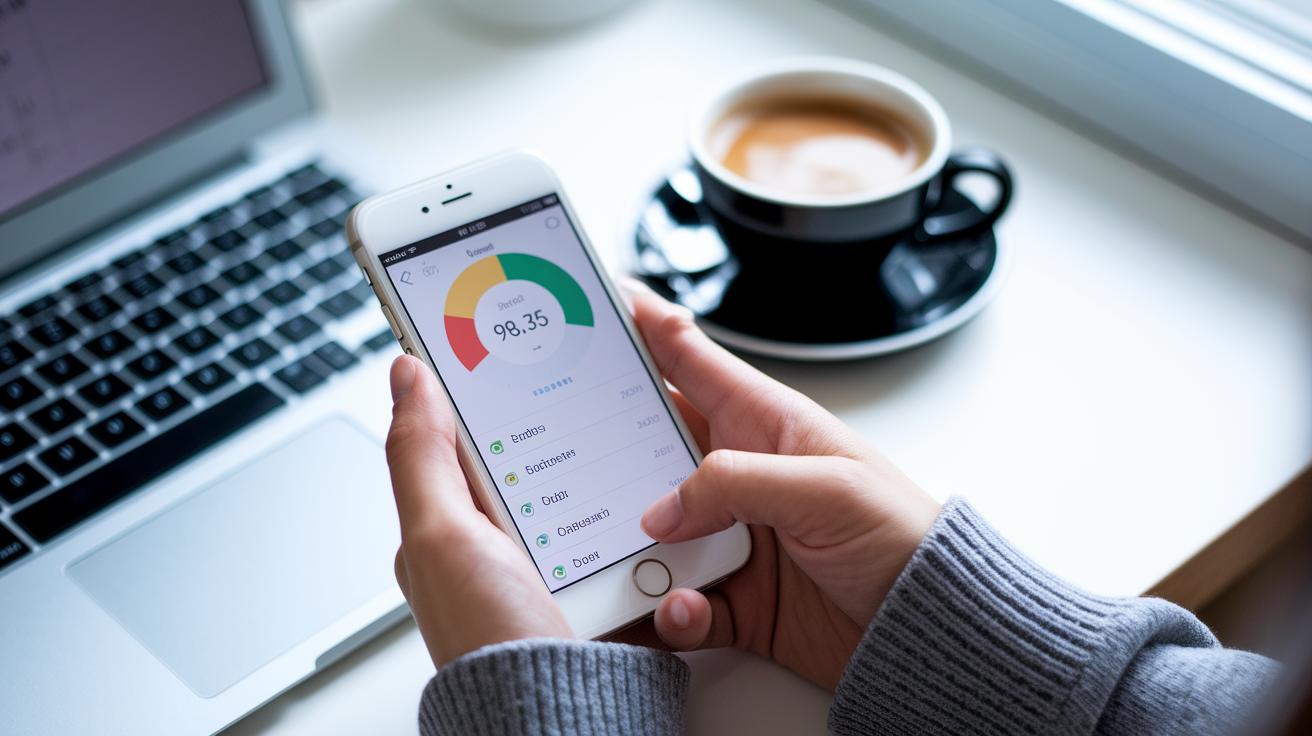
Automating your savings can really simplify your life. When you set up automatic transfers from your checking to your savings account on payday, you make sure you pay yourself first, kind of like dropping coins into a piggy bank before anything else. And if you use a round-up app that takes a little extra from each purchase, think about how every spare cent can quietly add up into a nest egg.
Digital budgeting tools, like app-based expense planners, make tracking your savings growth a breeze. They help cut down mistakes and keep your saving habits consistent. Imagine grabbing your daily coffee and the app rounding up your payment to add that extra change to your savings. It’s a small step that shows big progress over time.
Here are some simple ways to keep your savings on track:
- Automated transfers on payday
- Round-up apps that turn spare change into savings
- Payroll deductions that add funds directly to your savings account
- Weekly check-ins with app-based expense planners
Take a moment every few months to review your savings plan. Adjust your settings as your income or spending habits change. This regular check keeps your digital budgeting steady and helps your savings grow step by step.
Advanced Frugality Techniques in Your Money Saving Plan

Being careful with your money means treating each purchase as a chance to save. When you look at spending in a smart way, you build habits that help you manage your funds better. It even turns saving money into a fun challenge.
- Coupon stacking: Use several discounts together for a bigger saving.
- Cashback and rebate apps: Rely on easy-to-use apps that give you a little money back.
- Bulk purchasing: Buy in larger amounts to cut down on extra trips and lower costs.
- DIY home repairs: Fix things yourself instead of paying for costly services.
- Thrift-store finds: Explore local secondhand stores to grab great deals.
- Community swap events: Swap items with neighbors to give things a new life and save money.
Try out one or two of these tips and watch how much you save week by week. Mix things up and see which ones add the most benefit to your budget. In time, these choices add up, proving that smart saving can be as rewarding as it is sensible.
Final Words
In the action, our guide outlined a clear, six-step framework to trim spending and grow your savings. We explored budget systems, practical expense cuts, and the importance of setting clear goals. We even covered building an emergency fund and automating your routines for consistency.
This money saving plan is designed to keep things simple while driving lasting results. Stay proactive and keep refining your strategy to enjoy a secure and growing financial future.
FAQ
What is a money saving plan calculator?
The money saving plan calculator provides a tool that estimates savings growth by inputting income, expenses, and goals. It helps you see the math behind your financial plan in a clear, friendly way.
What is a good money saving plan and example of a savings formula?
The good money saving plan combines a clear budget, set goals, and automated transfers. It uses methods like budget templates and calculators so every dollar moves toward growing your savings.
What are clever ways to save money and top saving tips?
Clever ways to save money include using digital budgeting tools, cutting unnecessary costs, and tracking every expense. These practical tips help you lower spending and build a stronger financial foundation.
What is the 50/20/30 rule for savings?
The 50/20/30 rule for savings splits your income into 50% for essentials, 20% for savings and debt, and 30% for personal expenses, offering a simple balance for managing money.
How can I save $10,000 in 3 months?
Saving $10,000 in 3 months means following a strict plan that includes careful budgeting, reducing non-essential spending, and possibly increasing income while automating regular transfers toward your goal.
Is saving $200 a month good?
Saving $200 a month is a solid start when combined with a structured plan. It builds a steady habit that can support emergency funds and long-term goals with time and consistency.