

Have you ever wondered how people trust a system without one central boss? It's a bit like working on a group project where everyone has a copy of the same playbook, a shared spreadsheet that keeps the whole team honest.
Before any new information is added, most of the network checks it first. This way, only the correct details get in, much like teammates double-checking their work.
Imagine each block as a page in a secret diary. Every page comes with its own hidden codes that tie them together into a strong, unchangeable chain.
This clever method creates trust without the need for middlemen, making blockchain both reliable and clear.
Blockchain Technology Fundamentals: An Overview

In blockchain, every user keeps a full copy of the ledger. It’s a lot like a shared spreadsheet where everyone can check the details. Before any new information is added, most of the network needs to agree that it’s correct, making sure only verified data gets in.
Blocks in a blockchain are connected using special codes called cryptographic hashes. Imagine each block has its own secret code that links it to the previous one. If even a tiny change happens in a block, its code changes, which breaks the chain and immediately alerts everyone that something's amiss.
This design means we don’t need a central boss to watch over the data. Instead, everyone on the network helps check and update the ledger together. Simply put, blockchain is a decentralized and unchangeable system that uses group consensus to protect transaction data. This makes it a straightforward and safe way to build trust without relying on middlemen.
Blockchain Basics Explained: Blocks, Chains, and Nodes

Imagine a block as a page in a notebook. It holds transaction details, a timestamp, and a small piece of data that links back to the previous block. This chain of blocks starts with the very first one, and each page builds on the last, helping to keep everything in order.
Nodes act like helpers in the system. Full nodes keep a complete copy of the chain and double-check every transaction for accuracy. Meanwhile, lightweight nodes only grab the main header details to stay updated. Whether it’s Bitcoin, adding a block every 10 minutes, or Ethereum, which adds one roughly every 14 seconds, all these nodes work together to agree on new blocks. This teamwork makes sure that every transaction is both safe and spot on.
Cryptographic Ledger Operations and Hash Functions

Bitcoin relies on a tool called SHA-256 to create unique digital fingerprints for its blocks. To get accepted by the network, each of these fingerprints must hit a specific difficulty level. Think of it like a special lock. Every block gets its own fingerprint built from transaction data, a timestamp, and the previous block's fingerprint. This method links blocks together in a secure chain where each one confirms the last.
If even a tiny detail in a block is changed, its fingerprint is completely scrambled, making any tampering clear. Miners, who work to keep Bitcoin secure, must solve tough puzzles to find a fingerprint that fits the rules. Imagine if you had to change one block; you would need to redo every block that came after it. And here's a cool fact: a single character change scrambles the entire hash. That shows how one small tweak can throw the system off.
Since miners can try millions of fingerprint combinations every second, any attempt at fraud becomes both technically and financially daunting. This extra cost, combined with the way blocks are connected, keeps the ledger trustworthy and nearly impossible to alter. All these layers of security make blockchain a strong and reliable system.
Consensus Mechanism Overview: Proof-of-Work vs Proof-of-Stake

Proof-of-work is a system where miners use strong computers to solve secret puzzles. In the Bitcoin network, a new block is added about every 10 minutes. To keep that steady rhythm, the network tweaks the puzzle difficulty every 2,016 blocks. Plus, Bitcoin has a reward schedule: miners earn new bitcoins for solving puzzles, but this reward is cut in half every 210,000 blocks, roughly every four years. Eventually, this process will cap Bitcoin at 21 million coins by the year 2140. Ethereum works in a similar way, though it also gives rewards for what are called uncle blocks, which helps keep the network running smoothly.
Proof-of-stake takes a different route. Instead of powering through energy-hungry puzzles, validators lock up some of their coins as a kind of security deposit. They then get to vote on which block should be added next. The more coins a validator locks up, the more weight their vote carries. This method uses much less energy and makes it tougher for anyone to mess with the system, because an attacker would need to control a large share of the coins.
Proof-of-Work
Miners race to solve tricky puzzles. The system automatically adjusts the difficulty so new blocks keep coming at about the same pace. They earn rewards from both new coin releases and transaction fees, but these rewards drop over time with regular halving events.
Proof-of-Stake
Validators put some of their coins at stake as a form of security. They then take turns voting on which block should come next. This method uses far less energy and ensures a secure, fair system by giving more weight to those with more coins locked up.
Step-by-Step Ledger Process: From Transaction to Block Confirmation
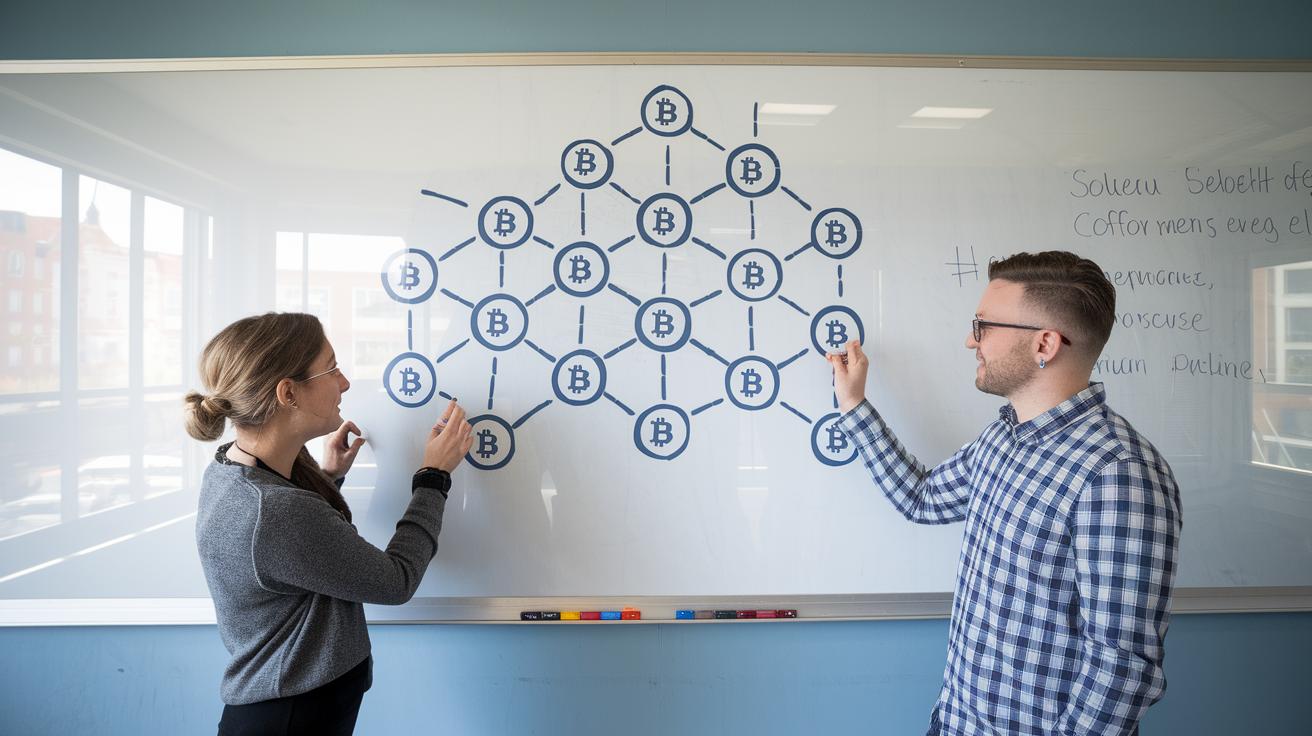
Imagine Alice sending one bitcoin to Bob. When that happens, the transaction is sent out to every computer (or node) in the network. Each node gets a copy and begins checking it, much like a group of friends making sure everyone got the same invitation.
Each node makes sure the digital signatures are correct and that Alice has enough bitcoin to send. Once they check and agree, miners, who are like digital detectives, gather these approved transactions into a group called a block candidate. Then, the miner jumps into a race against other miners to solve a really tough math problem. This puzzle, part of the proof-of-work process, is what keeps the network secure.
When one miner cracks the challenge and finds the right hash, they send their block out to the whole network. This starts another round of checks where every node makes sure that each transaction in the block meets the agreed rules. Only after everyone agrees is the block added to the blockchain.
Below is a clear outline of the process:
- The transaction is broadcast to the network.
- Nodes verify the signature and check balances.
- Verified transactions are grouped into a block candidate.
- A miner solves a tough cryptographic puzzle.
- The miner broadcasts the block, and the network validates it.
- After several confirmations, the transaction becomes final.
Usually, a bitcoin transaction becomes almost impossible to reverse after about six confirmations. This whole process keeps the ledger secure and builds trust, all without needing a central authority.
Network Node Interactions and Decentralized Validation

Imagine a circle of friends whispering the latest news to one another. In blockchain, nodes share new transactions and blocks using a gossip protocol. When one node gets data, it quickly passes it on to its peers, kind of like a chain of friendly whispers that keeps everyone updated without needing a central boss.
There are different types of nodes that help maintain this system. Full nodes hold every detail of the blockchain and carefully check each block by verifying things like hashes, transaction signatures, and consensus rules. Light nodes take a simpler path by just asking for block header details to verify transactions in a more streamlined way. Ethereum nodes add another twist by running their own Ethereum Virtual Machine, which processes smart contracts, self-executing programs that help run transactions, during validation.
Most nodes receive new blocks in just a few seconds. This fast sharing and thorough checking help create a resilient network that is both secure and reliable.
Real-World Examples: Bitcoin vs. Ethereum Blockchain Workflows

Blockchains work in different ways to handle and secure transactions. Looking at real-world examples makes it easy to see how these systems differ. Check out the table below that shows how Bitcoin and Ethereum work and highlights the main features of each.
| Feature | Bitcoin | Ethereum |
|---|---|---|
| Block Time | About 10 minutes | About 14 seconds |
| Consensus | Proof-of-Work (PoW) | Proof-of-Work with uncle rewards; moving to Proof-of-Stake (Casper) |
| Address Model | UTXO model | Account model |
| Smart Contracts | Limited scripting capabilities | Uses the EVM to support full smart contracts, including standards like ERC-20 tokens |
| Reward Mechanism | Fixed reward halved every 210,000 blocks | Block rewards and gas fees, plus rewards for uncle blocks |
| Supply Cap | 21 million coins | No hard cap on ether supply |
Bitcoin and Ethereum handle blockchain tasks very differently. Bitcoin takes a slower, careful approach to checking transactions and limits the total number of coins, making it great for clear-cut money exchanges. Ethereum, on the other hand, builds blocks quickly and offers a flexible setup for running smart contracts. This means Ethereum is well suited for projects like digital asset tokenization and running decentralized applications.
Final Words
In the action, our post ventured through blockchain fundamentals, explained blocks, chains, and nodes, and outlined cryptographic operations that secure digital transactions. We broke down each step, from transaction verification to block confirmation, and compared consensus models for maintaining network integrity. Real-world examples highlighted how these elements work together. By stitching these insights together, the article shows how does blockchain work to foster a secure, transparent, and efficient investment environment. Secure investing is within reach when you grasp these smart strategies.
FAQ
What is blockchain and how does it work?
The blockchain signifies a decentralized digital ledger that records transactions in immutable, linked blocks. It works by verifying data through multiple nodes, ensuring each new block follows cryptographic confirmation, which builds trust without a central authority.
How does blockchain work step by step for beginners?
The blockchain operates by recording a transaction, having nodes validate it, assembling it into a block, solving a cryptographic puzzle, and linking that block to the chain. Each step is cross-verified to keep the system secure and reliable.
How do blockchains make money?
The blockchain makes money through mining rewards, transaction fees, and sometimes staking incentives. These rewards motivate network participants to secure and validate transactions while supporting a sustainable economic model.
What is the biggest problem with blockchain?
The biggest problem with blockchain is its scalability. Slower processing speeds, high energy consumption, and challenges adapting to high demand can impact performance and limit its widespread adoption.
What are some popular blockchain platforms and wallets?
Popular blockchain tools include Blockchain.com for managing crypto assets; Ethereum, a platform for smart contracts; Ledger, a trusted hardware wallet; and Coinbase and Binance as leading exchanges. Solana also stands out for its fast transaction speeds.