

Have you ever thought about whether it's better to jump on quick crypto moves or hold onto your coins for a long time? Trading crypto can feel like catching an exciting, fast wave, while investing is more like tending to a slowly growing tree.
In this article, we break down the main differences and benefits of each approach. We'll show you how a short-term, active style compares to a calm, long-term strategy so you can decide which one fits your style best.
Overview of Crypto Trading vs Crypto Investing
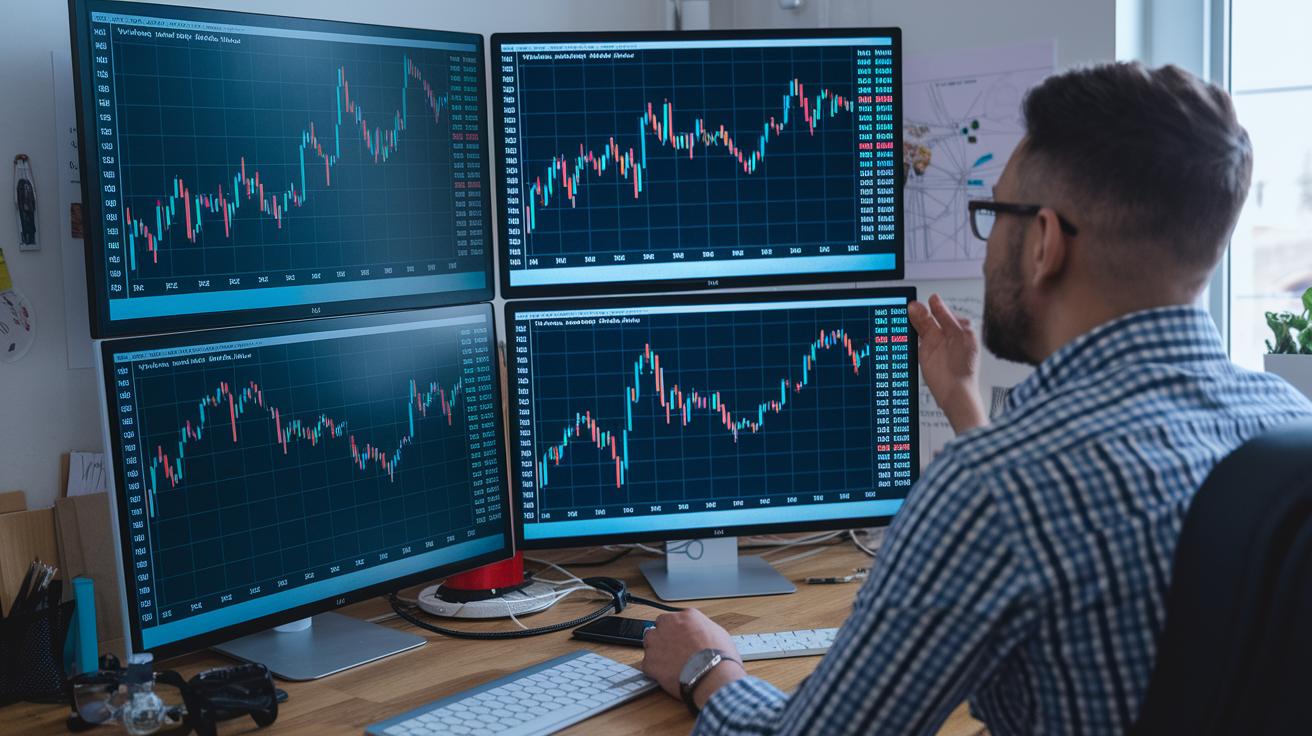
Crypto trading is all about riding those quick price swings. Traders use moves like day trading (buying and selling within the same day), swing trading, scalping, and position trading to make the most of a changing market. Picture a trader snapping up a small drop in Bitcoin like catching a perfect wave. It means you need to predict price changes and time your buys and sells exactly right. This style is for folks who love short-term wins, are okay with risks, and can keep a steady eye on the market.
On the flip side, crypto investing is more of a long game. Often known as HODLing, it involves holding onto your coins while adding a little bit regularly, say, dropping in $20 every week, and spreading your bets across different cryptos. It’s like planting a tree; you nurture it patiently and watch it grow over time. Regular rebalancing helps keep your portfolio steady, even when the market gets bumpy.
Your choice between trading and investing can come down to your personal goals, the time you’re ready to commit, how much risk you’re comfortable with, and your available funds. If you thrive on quick action and market buzz, trading might be your jam. But if you prefer a more relaxed strategy and believe in the long-term promise of blockchain, then investing could be a better fit.
Lots of people even mix both strategies to create a balanced approach that fits their risk level and financial goals.
Core Crypto Trading Techniques and Timing Methods
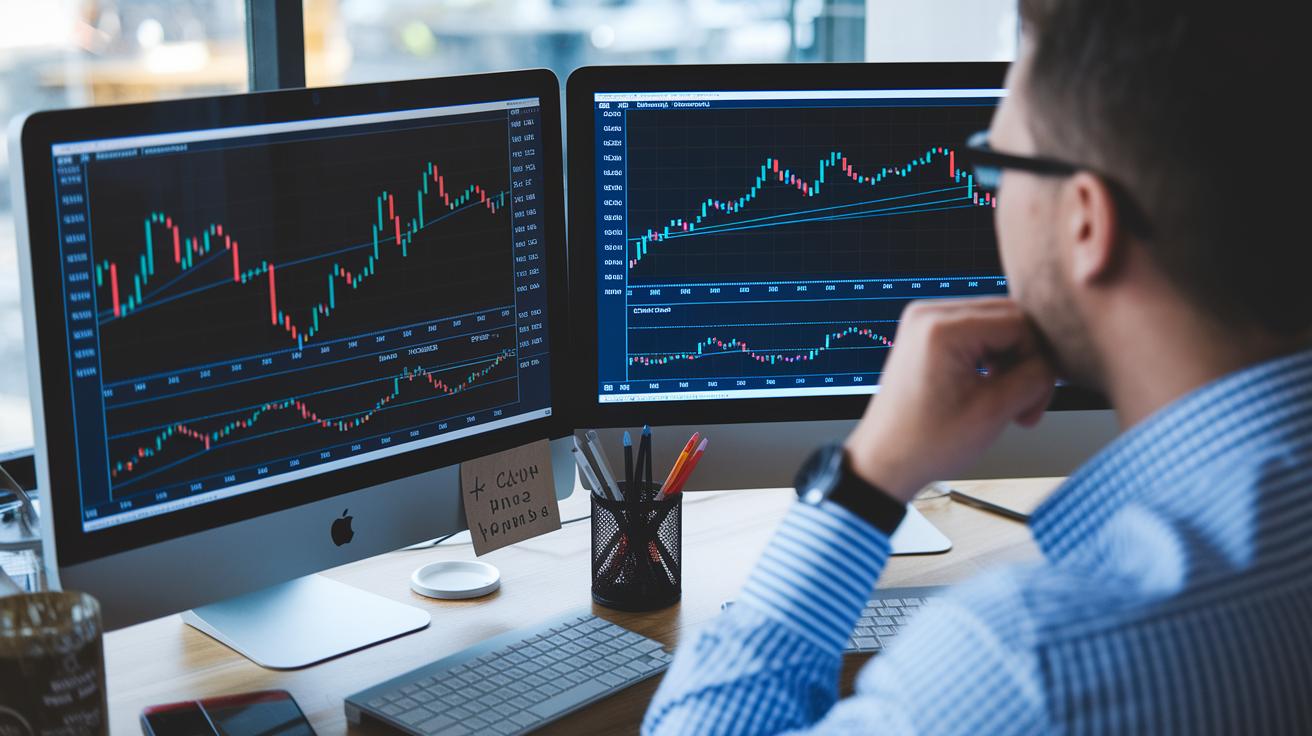
Traders have a few simple ways to make money from quick price changes. Day trading means buying and selling within the same day so you don't face overnight risks. With swing trading, you hold on to assets for a few days or weeks to catch bigger moves. And then there’s scalping, where you make lots of tiny trades during the day to take advantage of very small shifts. Position trading takes a longer approach by holding assets for several weeks or months to ride out larger trends.
In real life, many traders use easy-to-understand tools like moving averages, RSI, and MACD. These tools help signal when it might be a good time to enter or exit a trade, and they work much like noticing a small mistake before a wave crashes on your surfboard. They also keep a close eye on chart patterns to catch any hints of change. Fun fact: the best trades can happen in just a few minutes, which shows how important it is to watch the market closely. Plus, modern analysis software displays these signals in real time to help you act quickly.
A successful trade also depends on handling surprises like slippage (those sudden price changes), making sure there is enough liquidity so you can buy or sell easily, keeping spreads (the gap between buy and sell prices) low, and executing trades fast. Platforms like Obiex support over 20 cryptocurrencies and provide a smooth interface, low fees, and strong security.
Strategic Long-Term Crypto Investing Approaches

Lately, savvy investors are blending classic HODLing and dollar-cost averaging with techniques used by big institutions. Some companies even use smart algorithms that rebalance portfolios as market moods shift. Imagine a firm that lets AI signal exactly when to tweak its holdings. One leading fund reported a 20% boost in returns when it started using smart contract triggers in its rebalancing process.
Risk management is taking on a fresh role, too. Investors now mix solid research with methods from traditional finance to keep risks low. They protect their positions using tools like derivatives and cross-market analysis. In one case, a diversified portfolio not only stayed stable during regulatory bumps but also benefited from hedging against quick market drops.
Another smart move is detailed scenario planning. Investors build portfolios that adjust when certain market signals appear, much like a thermostat that changes settings when it gets too hot. This blend of steady investment principles with real-time data helps create a strategy that is both smart and built to last.
Pros and Cons of Crypto Trading vs Crypto Investing

Trading crypto lets you aim for fast profits by riding the market's ups and downs. For example, you might spot a quick chance to earn money in just minutes or a few hours. The perks include the possibility of rapid gains, the freedom to make trades on your own schedule, and the chance to use technical patterns as a guide for when to buy or sell.
But quick trading can also bring big challenges. It means you have to keep a close eye on the market all the time, and that can get really stressful. There are also risks like wild price swings, a lot of trading fees that can pile up, and the need to always watch how prices are moving.
On the flip side, investing in crypto is more about growing your wealth slowly over time. When you invest, you benefit from the chance for strong long-term growth as the market matures. You also spend less time watching the market every day since you’re just buying and holding, and you face lower fees compared to making lots of trades.
Still, investing isn’t free of worries. There is the risk that new rules or regulations could affect your assets, and if you need cash quickly, it might be harder to get it because your funds are tied up. Plus, market trends can change over long periods, adding uncertainty.
Many people find a mix of both strategies works best. They use trading to catch quick, opportunistic gains while holding investments for gradual, steady growth. This balanced approach can match different levels of risk tolerance and help meet various financial goals.
Risk and Reward Profiles in Crypto Trading vs Investing
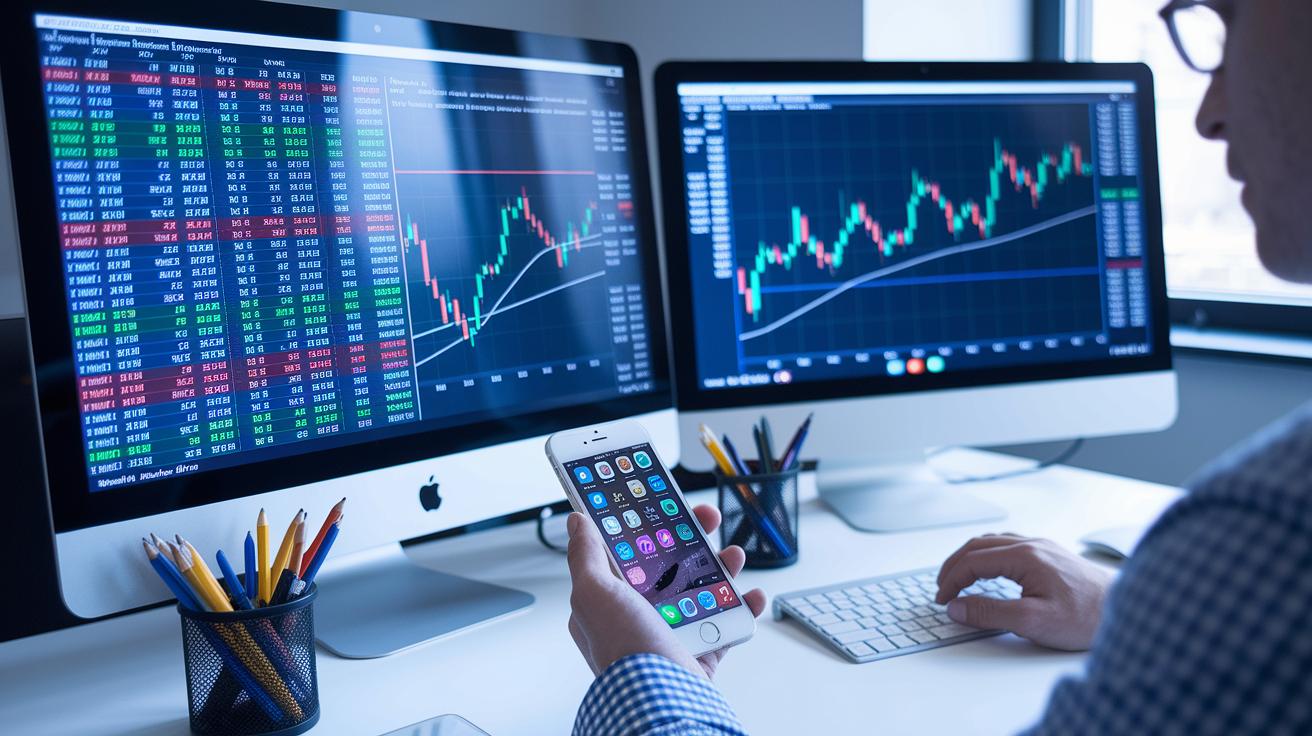
Traders can pocket profits in just minutes. For example, one trader managed a 4% gain in 15 minutes by quickly cutting a trade when the market became less liquid, sort of like a race car driver hitting the brakes at just the right moment. While this fast action can pay off, it can also lead to heavy losses, sometimes more than 20% when things slip out of control. Studies show that high-frequency trades can earn about 3-5% per trade, but these gains often come with wild ups and downs.
Investors, on the other hand, focus on steady, long-term growth. They usually work with strategies that have given annual returns of about 15-20% over time. These investors face challenges like overall market changes, new rules from regulators, or a single project not doing well. A common approach is rebalancing their portfolio every few months, which helps keep emotions in check and allows for steady growth over the years.
| Aspect | Traders | Investors |
|---|---|---|
| Time Horizon | Minutes to hours | Months to years |
| Common Techniques | Stop-loss orders, strict position sizing | Periodic rebalancing, allocation limits |
| Metrics | Average trade ROI (3-5% per trade) | Average HODL CAGR (15-20% annually) |
Traders handle pressure by making quick moves, while investors stick to calm, regular reviews to keep their long-term goals in sight.
Selecting Between Crypto Trading and Investing for Your Goals

We discussed your risk comfort, available time, and expected returns before. Now, let’s use a short checklist to make your choice clearer.
- When do you want to see returns?
- How many minutes or hours can you spend each day?
- How well do you handle market ups and downs?
Answering these questions will help you decide if trading, investing, or even a mix of both fits your goals perfectly.
Key Platforms and Tools for Trading vs Investing in Crypto

Trading platforms work fast and aim for accuracy. They offer low spreads and high liquidity so you can make trades quickly. Features such as real-time order books, API access, and advanced charting tools help traders watch market movements and change their positions in a flash. For example, Obiex supports more than 20 coins and has a clear design that makes spotting trading chances a breeze.
Investing platforms, on the other hand, focus on long-term security and smart automation. They use custodial wallets to keep your coins safe and offer features like dollar-cost averaging, which means you invest steadily over time without having to check every day. Many of these platforms also include tax tools and portfolio trackers to help you rebalance your holdings easily. Some folks even use scheduled buy bots or simple dashboard apps to keep track of where their money is going.
Fees work differently too. When you trade, you might pay a fee for each deal, while investing platforms usually come with very low ongoing costs. This shows the clear difference between making fast deals and slowly growing your assets.
In the end, picking the right platform really depends on your goals, whether you prefer quick trades or a steady, long-term growth strategy.
Final Words
In the action, our discussion highlighted how short-term crypto trading techniques stack up against long-term investing approaches. We compared quick market moves, technical tactics, and high-frequency trades versus patient holding, dollar-cost averaging, and solid fundamentals. This guide explained the pros and cons, risk profiles, and the essential platforms that support both styles. Crypto trading vs investing comes down to your goals, time commitment, and risk tolerance. Embrace the strategy that fits you, keep learning, and move confidently towards your financial growth.
FAQ
What is the difference between crypto trading and crypto investing for beginners?
The crypto trading vs investing difference shows that trading focuses on short-term moves and frequent trades, while investing emphasizes long-term holds based on fundamentals and gradual portfolio growth.
What is the comparison between cryptocurrency and the stock market?
The cryptocurrency vs stock market evaluation reveals that crypto offers fast price swings and higher volatility, whereas stocks bring regulated markets and longer performance histories, matching different risk and reward profiles.
What is TradingView and how is it used?
The TradingView platform provides advanced charting, technical indicators, and real-time data to help users analyze crypto market trends. Check out the best technical analysis software for more details.
What is crypto trading?
The crypto trading process means buying and selling digital currencies based on short-term price changes using strategies like day trading, swing trading, scalping, or holding for a few days to months.
What is Bitcoin?
Bitcoin is the first digital currency that uses cryptography to secure transactions in a decentralized system, relying on blockchain technology to verify and record its history.
What is Forex trading?
Forex trading involves buying and selling traditional currencies on a global market, similar to crypto trading but focused on fluctuations between national currencies.
What is Binance?
Binance is a well-known crypto exchange where users can trade numerous digital coins, benefiting from low fees, secure transactions, and a range of trading tools.
Is it better to trade or invest in crypto?
The decision between trading and investing in crypto depends on your goals and risk appetite; trading targets short-term profits, while investing focuses on long-term growth through holding.
Can you really make $1000 a month with crypto?
Making $1000 a month with crypto is achievable with disciplined trading strategies and risk management, though results depend on market conditions and individual expertise.
Why does Warren Buffett not like crypto?
Warren Buffett questions crypto because he believes its lack of intrinsic value and high volatility make it a riskier asset compared to more traditional, cash-generating investments.
What if I had invested $1000 in Bitcoin five years ago?
Investing $1000 in Bitcoin five years ago would have likely yielded substantial growth over time, reflecting its compound gains, though past performance is not a promise of future returns.