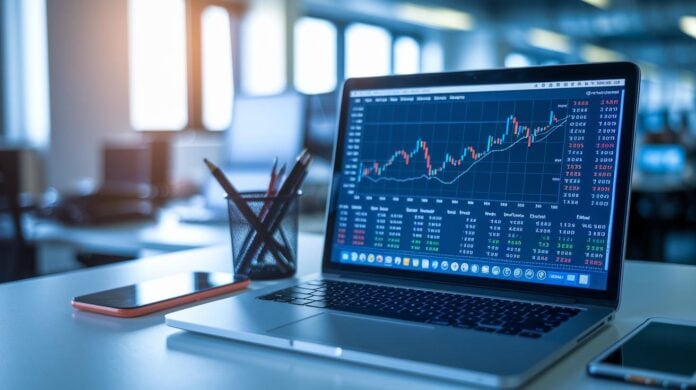

Have you ever thought about letting a smart computer handle your money better than you can? Imagine a tool that watches every market change and adjusts your investments like a chef perfecting a recipe. Automated investment tools use clever software that keeps your portfolio balanced no matter what the market brings. In this post, we'll explore how these systems can boost your returns while taking the hassle out of investing, so you can sit back and watch your money work hard every day.
automated investment tools Propel Powerful Returns

Imagine having a handy robot that takes care of your investments while you go about your day. These automated tools use smart computer programs that learn your goals and how much risk you can handle. They work a bit like a chef who tweaks a recipe as they taste it, making sure your portfolio stays on track even when the market changes.
These platforms use real-time market data to adjust your investments without you having to lift a finger. Think of it like a thermostat that keeps your room just right no matter what the weather is outside. Picture your portfolio as a garden that waters itself when the soil gets dry, making sure nothing is overdone or neglected.
There are many ways to get started with these smart investment solutions. Here are some popular options:
- Betterment digital plan (no minimum) or premium plan (minimum $100,000)
- Wealthfront (minimum $500)
- Vanguard Digital Advisor (minimum $3,000)
- Schwab Intelligent Portfolios (minimum $5,000)
- SoFi Automated Investing (no minimum)
- SigFig (minimum $2,000)
- DIY choices like Fidelity Go (minimum $10), M1 Finance (minimum $100 for taxable accounts and $500 for retirement accounts), and E*TRADE Core Portfolios (minimum $500)
These platforms, like the ones on gotocryptos.com, mix full automation with a touch of personal advice. It makes managing your investments feel simple and powerful, letting you sit back while your money keeps working for you.
Key Technologies Powering Automated Investment Tools

Picture a computer system that watches the market all day like a clever calculator that never takes a break. That’s the magic behind algorithmic trading platforms. They study market trends and make trades automatically so you can relax without needing to monitor every tiny market move.
Now, add some extra smarts with AI-driven trading software. This tech uses artificial intelligence, basically a smart program that learns and improves, to spot changes in the market rapidly. Some AI systems can notice trends in seconds and adjust investments before a human could blink. This quick reaction helps your portfolio keep pace with your financial goals, almost like having a seasoned trader at your fingertips.
Then there are machine learning models that learn from every trade. Think of them as a favorite recipe that gets tastier each time you make it. They remember past trades and tweak their strategies to better handle future market ups and downs, making your investments increasingly robust.
Finally, hybrid fintech applications combine these smart algorithms with a human touch. You get real-time analysis and easy-to-read dashboards, giving you a clear view of your investments. It’s like having a trusted guide who shows you exactly how your portfolio is performing in a way that feels both engaging and accessible.
Automated Investment Tools Performance Comparison

Automated investment tools help keep your portfolio well-balanced without you having to check it constantly. They automatically adjust your asset mix based on a set target. Think of it like giving your investments a regular tune-up to maintain the right mix. These tools even handle tax-loss harvesting, a process that offsets gains with losses to help lower your tax bill. In many cases, experts compare how well these robo-advisors perform by looking at their annual returns against traditional market benchmarks.
Key metrics to watch include expense ratios, portfolio drift, and tax savings from harvesting. For instance, one tool might deliver a 6% annual return compared to a 5.5% market benchmark, and another might save an extra 0.25% in taxes because it’s so effective at harvesting losses. Even tiny differences in these numbers can make a big impact over time.
Fee-free platforms are a bit like a free app on your phone. They offer automatic rebalancing and regular trades without an annual fee, though they might not let you customize things as much. On the other hand, premium platforms provide advanced analytics and sometimes even personal advice. With these, you might pay a management fee for a deeper look into your portfolio’s performance.
Hybrid models offer the best of both worlds. They combine around-the-clock algorithmic monitoring with the chance to chat with a human expert. It’s like having both a smart device and an experienced mechanic looking after your car at the same time. This setup provides the comfort of human oversight along with the precision of automation.
Performance monitoring software plays a key role too. Often known as investment portfolio analytics tools, these programs track all the essential numbers. They help you see how each part of your portfolio contributes to overall results, making it easier to adjust your strategy and choose the right automated investment solution.
Cost Structures of Automated Investment Tools

Robo-advisors usually charge an annual management fee between 0.25% and 0.50% of your assets. Some platforms might not charge a fee at all, but in those cases, you might need to invest a higher amount upfront. Meanwhile, other services could have extra costs that end up affecting your overall portfolio returns. The ETFs that underlie these tools typically come with expense ratios between 0.03% and 0.20%, so even a small fee difference can add up over time. With DIY platforms, you often see lower annual percentages, but be aware that extra trading or subscription fees can sneak in if you make lots of moves.
Key cost points to note include:
| Cost Factor | Range/Details |
|---|---|
| Annual Management Fees | 0.25% – 0.50% |
| ETF Expense Ratios | 0.03% – 0.20% |
| Minimum Investment | $0 (for some models) to $100,000 (for premium options) |
These figures play a big role in your overall cost. It makes a difference to compare the fees along with your potential returns because even low fees can add up over time. Keeping an eye on both the fee structure and the minimum investment requirement can really help you find an automated solution that fits your financial plan perfectly.
Risk Management and Security in Automated Investment Tools
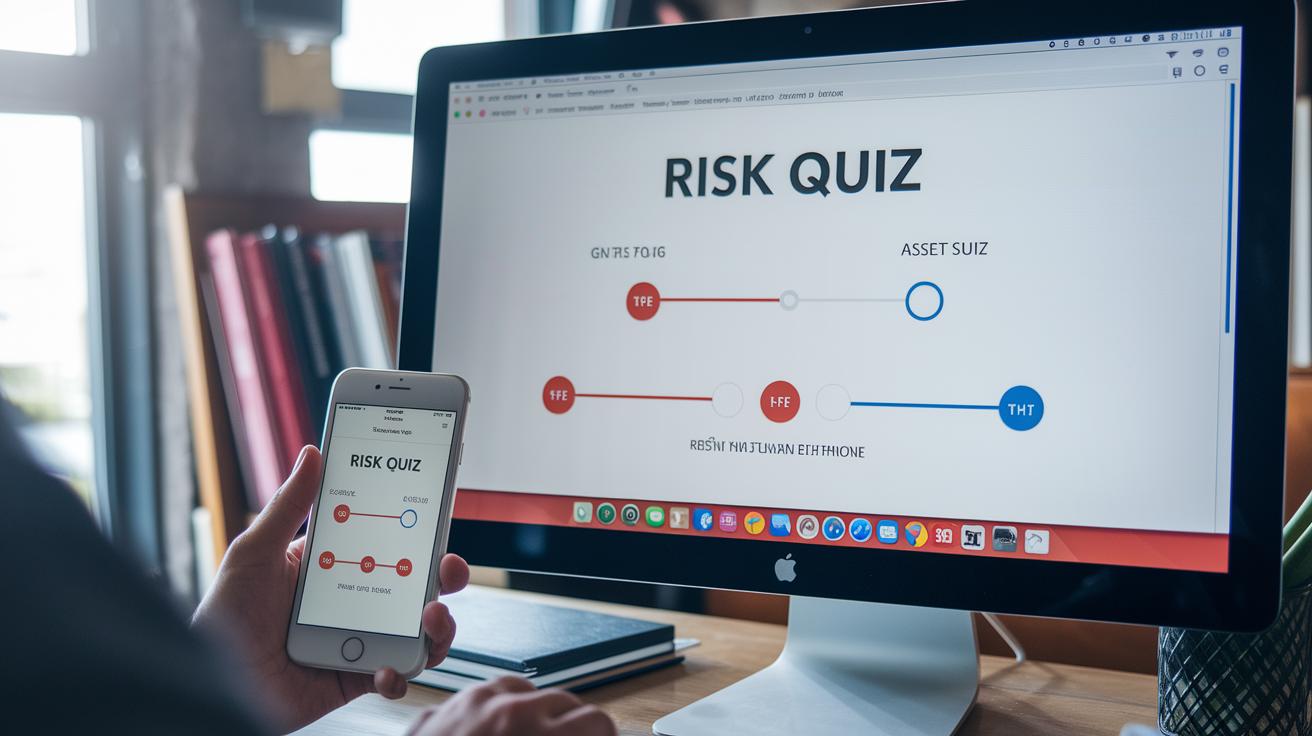
Automated systems ask simple questions to understand how much risk you can handle. They set limits on market ups and downs so that your investments stay within a range that feels right for you. Then, they adjust your mix of assets like a friendly assistant balancing weights. They even use methods like tax-loss harvesting, which can help smooth out gains and losses and potentially lower your tax bill.
Platforms mix up your investments automatically to avoid putting all your eggs in one basket. If one segment of your portfolio struggles, other parts can help keep things balanced, much like a good recipe that blends different ingredients for a tasty dish.
The system also comes with built-in cybersecurity to protect your money. It uses data encryption, two-factor authentication, and secure communication channels to keep your trades safe. Think of two-factor authentication as adding a second lock to your door for extra security.
Some platforms offer a hybrid approach where a human expert keeps an eye on the algorithms and steps in when the market surprises us. This blend of smart technology and human oversight gives your digital assets an extra layer of protection.
Integrating Automated Investment Tools into Your Strategy

First, decide what you want to achieve with your money, figure out how much risk you can handle, and decide how long you plan to invest. Think of it like planning a road trip, you pick your destination, check your fuel needs, and choose the best route to get there. When you have these clear goals, it becomes simple to choose a platform that fits your style, whether it runs fully on automation or mixes computer smarts with a human touch.
Next, look for a platform that automatically builds your investment mix. It's like picking players for your favorite sports team, making sure every position is covered. Then, let trade execution automation handle your transactions quickly and reliably, so your portfolio stays in tune with the changing market, just like a smooth-running engine keeping your car on track.
Also, check out the decision support tools offered. Imagine a dashboard that shows real-time updates about your investments, lighting up when you’re on track or suggesting a change when needed. It’s a bit like your car’s dashboard alerting you when it's time to refuel, keeping you informed every step of the way.
Many platforms now even let you blend automated tips with your own careful analysis. You can export data using APIs or spreadsheets and adjust your strategy just the way you like it. By balancing different levels of automation, fee structures, and customization options, you can build a plan that fits neatly into your overall financial picture while making the most of modern tech.
Future Trends in Automated Investment Tools

Automated investing is on the rise, thanks to tools that keep getting smarter and more personal. We now see more powerful AI that helps predict trade moves, making it easier for investors to stay ahead of market changes. Picture a system that learns from every trade, like a chef who improves their favorite recipe with each try. These trends open up new ways to buy fractional shares and explore alternative assets, meaning even small investors can diversify their portfolios.
Cloud-based finance is really changing the game. It brings flexible solutions that adjust to each investor’s strategy. New wealth platforms even let people share their own trading algorithms with the community, which helps refine the tools and makes the investing experience feel more personal. On top of that, digital wealth tools are getting a regulatory boost with tighter checks on how assets are managed and some cool new screening methods for environmentally and socially responsible investments. All these changes promise a future that’s clearer, safer, and more efficient for automated investing.
Final Words
In the action, we broke down how digital platforms use automated investment tools to streamline portfolio management. The blog post examined core functions, from algorithmic trading to risk management, illustrating how these systems adjust portfolios and manage costs.
We reviewed performance metrics and explored how emerging technologies continue to improve investment experiences. With clear insights into fee structures, security measures, and market trends, there's plenty of promise for a secure, smarter financial future. Enjoy your path toward successful investing!
FAQ
Best automated investment tools
The best automated investment tools are platforms that combine algorithm-driven portfolio management with user-friendly interfaces, examples include Betterment, Wealthfront, Schwab Intelligent Portfolios, and Vanguard Digital Advisor.
Automated investment tools reviews
Automated investment tools reviews explain how these platforms simplify portfolio management with features like automatic rebalancing and tax-loss harvesting, often highlighting ease of use, cost efficiency, and performance relative to traditional methods.
Automated investment tools for beginners
Automated investment tools for beginners provide simple interfaces, low minimum investments, and educational resources, making it easier for new investors to manage portfolios that suit various risk levels with minimal fuss.
Schwab automatic investment ETF
Schwab’s approach with its automatic investment ETF leverages Schwab Intelligent Portfolios to automatically invest in ETFs, using algorithmic strategies that adjust holdings based on individual profiles and long-term objectives.
Best robo-advisor
The best robo-advisor blends low fees, efficient algorithmic strategies, and personalized support. Options like Betterment, Wealthfront, and SoFi Automated Investing are often recognized for their balanced approach and robust features.
Vanguard Digital Advisor
Vanguard Digital Advisor employs algorithms to build and rebalance portfolios aligned with individual goals and risk levels, offering straightforward fee structures and a low account minimum for those seeking automated management.
Best robo-advisor for beginners
The best robo-advisor for beginners offers a friendly setup, low investment thresholds, and clear guidance, with platforms like Betterment and SoFi Automated Investing easing newcomers into digital portfolio management.
Wealthfront
Wealthfront uses advanced algorithms for portfolio management, featuring automatic rebalancing, tax-loss harvesting, and low minimum requirements, making it a popular choice for investors seeking comprehensive digital investment tools.
What are four types of investment tools?
Four major types of investment tools include automated platforms, algorithmic trading solutions, hybrid models with both digital and human guidance, and DIY platforms that offer digital interfaces for manual investment control.
What is the 7% rule in investing?
The 7% rule in investing reflects a general guideline suggesting diversified portfolios may yield roughly 7% annual returns over time, accounting for market fluctuations, fees, and inflation adjustments.
How much can you make investing $1000 a month?
Investing $1000 a month can grow significantly over time, though actual returns depend on market performance, reinvested earnings, and chosen strategies, typically showing stronger results over decades.
What are automated investments?
Automated investments rely on algorithms to manage and adjust portfolios, offering consistent rebalancing and risk assessments that help optimize returns according to set investment rules and goals.