

Ever wonder how some investors seem to win big with crypto? Smart portfolio management is like a user-friendly dashboard that shows you everything at a glance. It lets you know when to hold your assets, spread out your investments, or jump in when prices fall. With all your info in one easy spot, even tricky market swings become simpler to handle. In short, solid crypto portfolio management gives you a clear view of your digital assets so you can make smarter moves.
Crypto Portfolio Management Strategies and Tools for Optimal Results

Managing your crypto all in one spot makes things much easier. When you put all your digital assets on one dashboard, you can quickly see how things are doing without checking lots of different wallets or exchanges. It's like watching a clear, steady trading screen that shows you everything at a glance.
- HODL means holding your assets for a long time so they can slowly grow.
- DCA is when you invest a fixed amount at regular intervals to smooth out market ups and downs.
- Buying the dip means purchasing assets when prices fall, aiming for gains when prices rise.
- Setting diversification limits helps you avoid putting too many funds into one asset, keeping your risk in check.
- Allocating stablecoins like USDT and USDC keeps some funds safe. These act as a buffer against sudden market changes.
Balancing risk and reward in crypto is a bit like keeping a well-tuned engine running smoothly. HODL gives you a steady foundation, while DCA spreads out your investment over time. Buying the dip may capture quick gains, and diversification stops you from risking too much on one coin. Keeping some stablecoins handy makes sure you have funds ready when new opportunities pop up.
The best tools for keeping track of your portfolio include easy-to-read dashboards, real-time data, and features that sync all your wallet and exchange information automatically. Think of it as having interactive charts that update every minute, giving you a clear view of your investments and helping you adapt quickly when the market shifts.
Evaluating Crypto Portfolio Management Platforms: Feature Comparison and Reviews
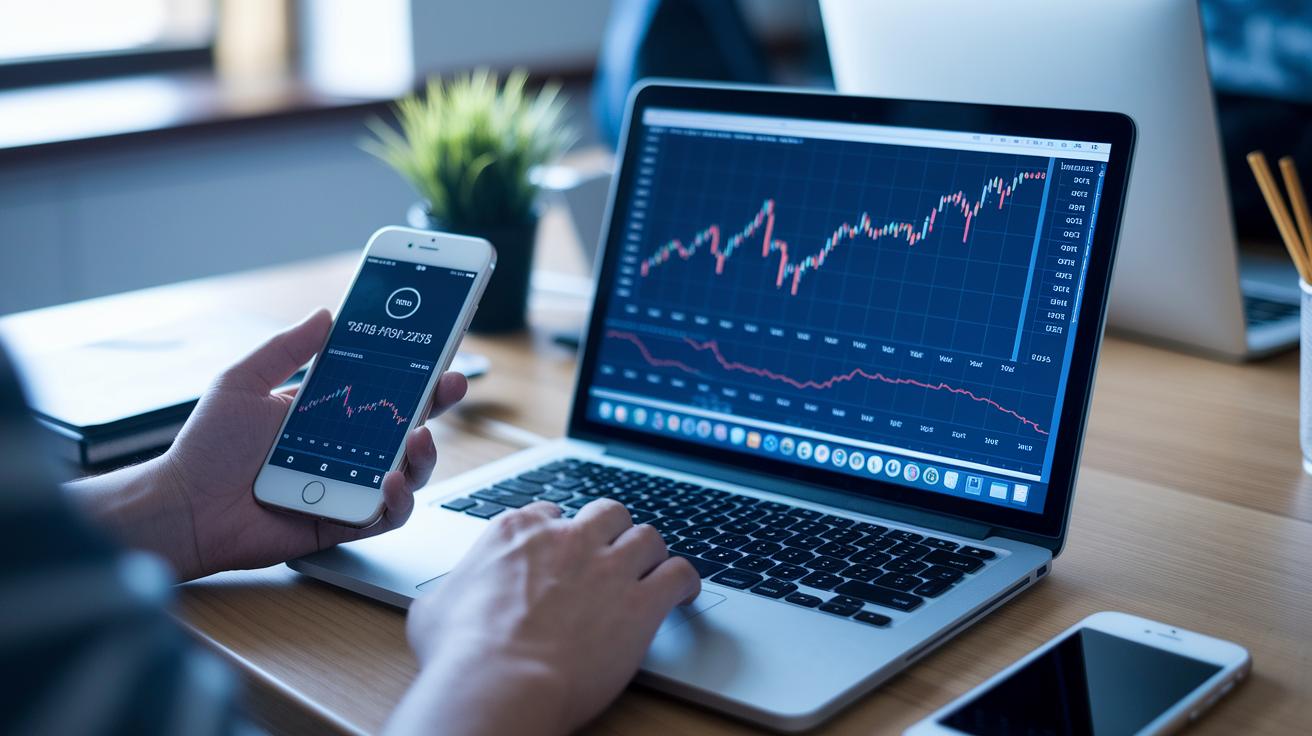
When picking a crypto portfolio management tool, you want a platform that makes handling your digital assets a breeze. Look for features that automatically sync your wallets and exchange transactions, have a clear layout, and offer handy tools like price alerts and market tracking. We all want something easy to use, and comparing costs, asset range, and support for regular money (fiat) can really help you decide what fits your style best.
Digging into the details, you’ll find that some platforms really shine when it comes to extra features. A simple, user-friendly interface helps you quickly see trends and important details. Automatic syncing means every trade you make shows up in real time, so you don’t need to worry about manual mistakes. Real-time updates help you act fast when markets change. And sometimes, you even get automated rebalancing, which adjusts your asset mix without you lifting a finger. This makes things easier whether you’re casually watching your investments or actively trading, giving you steady, reliable insights.
| Platform | Price | Exchange Sync | Asset Coverage | Automated Rebalancing | Fiat Support |
|---|---|---|---|---|---|
| CoinTracker | Varies | Yes | Multiple | No | No |
| CoinStats | Free/Paid | Yes | 3000+ | Yes | No |
| Kubera | $150/yr+ | Yes | Combo | No | Yes |
| Delta Investment Tracker | Subscription | Yes | 300+ | Yes | No |
| Crypto Pro | Free/Paid | No | Basic | No | No |
Choosing the right tool means you need to think about what features are most important to you. If you need a system that automatically pulls in every transaction and supports many different types of assets and fiat money, then a platform like Kubera might be your best match. But if you want real-time updates with tons of tokens and built-in rebalancing, you might lean toward CoinStats or Delta Investment Tracker. Check which platform fits your investment habits best, and you’ll be set to make a smart choice.
Crypto Portfolio Risk Management Techniques

Assessing and Monitoring Risk
Risk management begins with keeping a close eye on your investments. Tools like risk assessment instruments and volatility tracking models work much like a real-time thermometer for your portfolio. They help you check on important details such as token supply, team allocations, and even warn you about possible pump-and-dump schemes. For example, if too many tokens remain with the team, that could be a red flag. These tools also give you alerts when market prices shift unexpectedly. Fun fact: Before making any big moves, one sharp trader discovered that a small change in token distribution sparked a huge sell-off, proving that keeping an eye on details is key.
Mitigation and Stablecoin Allocation
Protecting your portfolio means taking smart, practical steps. One great strategy is to use stablecoins like USDT or USDC. They act like a safety net when prices are bouncing around, giving you quick access to cash. Here’s how you can put this strategy into action:
| Step | Action |
|---|---|
| 1 | Set clear limits for each asset to avoid putting too many eggs in one basket. |
| 2 | Follow strict rules for when to buy or sell to keep your moves measured. |
| 3 | Do a thorough check on altcoins to make sure they’re solid before investing. |
This approach helps lower your risk of big losses while still letting you seize new opportunities. By watching your portfolio carefully and using these practical steps, you can keep your investments safe and steady, even when the market gets wild.
Automated and Manual Rebalancing in Crypto Portfolios

Rebalancing is a handy way to keep your crypto investments in line with your plan. It involves checking your crypto mix and making adjustments when things stray too far from what you set out to do. Whether you like to handle it yourself or let a tool do the work, regular rebalancing helps keep your risk and reward balanced. One trader even shared, "I set my targets and stick to them, treating each rebalance like a mini check-up on my financial health."
Manual Rebalancing Procedures
When you decide to do it yourself, start by deciding how much of each asset you want. Keep an eye on the numbers using a simple spreadsheet or a tracking tool you trust. If one coin moves away from your target, simply buy or sell to bring it back in line. For example, if Bitcoin grows faster than its peers, selling a bit might help balance your portfolio. This method means checking your numbers regularly and having a clear plan before you trade.
Automated Rebalancing Engines
Some systems use smart formulas to adjust your holdings automatically. These tools set triggers so that if your investments stray too far from your set limits, trades happen on their own. Platforms like Delta and CoinStats offer features that let you set clear guidelines. This approach cuts down on human error and keeps your portfolio reflecting your goals, day in and day out.
Advanced Analytics and Performance Monitoring for Crypto Asset Management
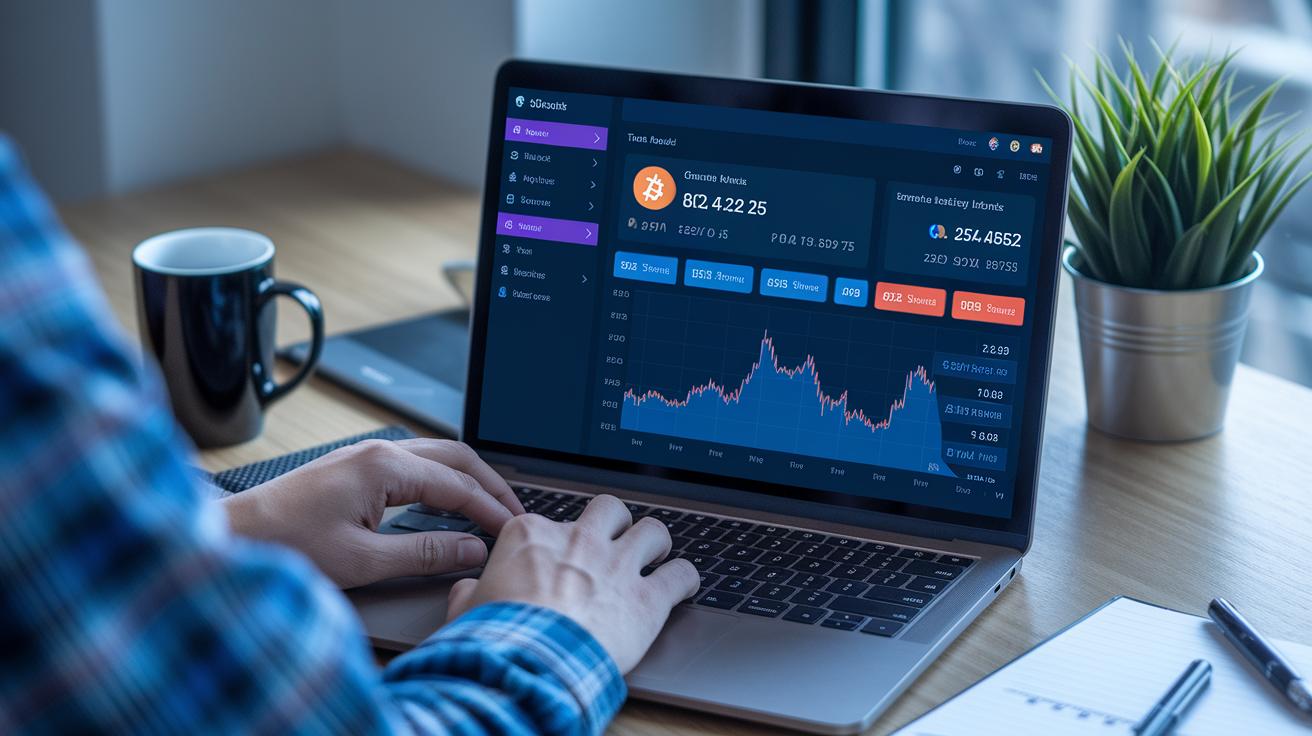
These next-generation analytics go way beyond your everyday dashboards. They use smart AI to scan thousands of tokens and pick up hidden market clues that you might otherwise miss. For instance, Token Metrics checks over 6,000 tokens every day, revealing subtle trends that many overlook.
Now, you also get dashboard features that let you set up custom alerts for sudden price moves or shifts in your asset mix. Imagine getting a nudge just when a token jumps by a certain percentage, giving you a moment to rethink your plan.
Plus, custom interfaces with easy-to-read charts let you watch your net worth evolve over time. These tools turn raw data into clear, step-by-step insights, so you can understand your performance at a glance. Picture a chart that shows your net worth growth as clearly as a thermometer shows the rising temperature.
Integrating Tax Tracking and Compliance in Crypto Portfolio Management

Managing your crypto portfolio isn’t just about watching the market move, it’s also about keeping your tax records in tip-top shape. Today, many portfolio managers add a tax module that pulls all your trade data from various exchanges and wallets. That means every little buy or sell is captured automatically, making it easier to figure out your gains and losses without any guesswork.
These smart systems also offer automated reports and alerts that help you keep up with the latest tax rules. They create reports that work with the IRS guidelines, cutting down on mistakes that could end up costing you. And when tax rules change, you get updates right away so you can adjust your records on the fly. This hands-on approach takes a lot of stress off your plate, ensuring your portfolio stays safe and in line with current standards.
Final Words
In the action, this post showcased smart crypto portfolio management strategies and tools that help build a solid financial foundation. We broke down steps like HODL, dollar cost averaging, and smart buying while reviewing platforms for real-time tracking and rebalancing. The discussion also covered ways to manage risk, use powerful analytics, and handle tax matters neatly. Try these practical tips and enjoy watching your digital portfolio grow stronger every day.
FAQ
What is a crypto portfolio management app, software, or tracker?
A crypto portfolio management tool lets you track and control your digital assets in one central place. It syncs data from exchanges and wallets, updating your portfolio’s net worth in real time.
What are the best options for crypto portfolio management?
The best choices offer clear interfaces, secure tracking, and real-time analytics. Both free and paid versions provide various features to help you tailor your strategy and maintain a balanced digital asset mix.
How do I manage a crypto portfolio?
Managing your portfolio involves setting clear strategies like HODL, dollar cost averaging, and buying the dip. It also means using reliable tracking tools to monitor performance and adjust your asset allocation as needed.
Why doesn’t Warren Buffett believe in crypto?
Warren Buffett doubts crypto because he sees it as highly volatile and lacking intrinsic value. His approach favors investments with predictable returns and proven business models, which crypto generally does not offer.
What is a good crypto portfolio allocation?
A good allocation balances risk and reward. Investors typically mix major tokens, stablecoins, and altcoins, adjusting proportions based on their personal risk tolerance and market conditions.
Can I hire someone to manage my crypto portfolio?
Yes, you can hire professional managers to oversee your crypto investments. These experts charge fees, so it’s important to review their services and match them with your investment goals and budget.
What is a crypto portfolio dashboard?
A crypto portfolio dashboard visually displays your holdings and market trends in real time. It makes it easier to monitor asset performance, set alerts, and view changes in your net worth at a glance.
What is crypto tracking software?
Crypto tracking software gathers data from exchanges and wallets to monitor asset performance. It provides tools like real-time analytics and automated syncing, helping you keep an accurate, up-to-date portfolio record.
What is an open source or manual crypto portfolio tracker?
Open source and manual trackers give you full control over your portfolio data. These tools may require more setup and management but provide a transparent way to review your positions without relying on proprietary platforms.