

Ever thought about how one tiny mistake in your crypto setup might wipe out your trading funds in just minutes? Crypto risk management is all about helping you stay safe. It lets you get ready for wild price swings, tech issues, or even security breaches. Think of it as a simple checklist that keeps you in control, even when the market moves quickly. In the world of digital money, one slip-up can lead to big losses. That's why having a solid safety plan is not only smart but really necessary. Let’s take a closer look at how basic tools can protect your assets and keep your trading on track.
Fundamentals of Crypto Risk Management Framework

The crypto world moves fast, so managing risks starts with knowing what could go wrong. First, break down the risks into five types. There are market risks from price fluctuations, operational risks when systems suddenly go down, liquidity risks that can slow your transactions, security risks from hacks or fraud, and regulatory risks that come from laws still in the works. Picture yourself flipping through a checklist. Imagine reading, "A small misstep in risk identification once led a crypto firm to lose millions in minutes." That single moment can change everything and lead to stronger asset protection.
Once you know the risks, write them down using simple tools like risk registers, checklists, or even fun, interactive workshops. These methods help you keep track of everything. Later, you can look over the list and see how likely each risk is and what impact it might have. For instance, if a sudden market drop could take away a big part of your portfolio, or if a glitch might interrupt trading at just the wrong time, those would earn a high-risk score using tools like heat maps or simple likelihood-impact charts.
Next, set up a clear incident response plan to tackle any problems as soon as they pop up. Think of it like lining up dominoes: each step you put in place helps reduce the chance and effect of a risk turning into a full-blown incident. Your plan should include step-by-step actions so you can act quickly when something unexpected happens.
Also, don’t forget the legal side of things. Keep an eye on regulatory milestones like the final U.S. Section 6045 regulations coming in late 2024 and the GENIUS Act for payment stablecoins starting on July 18, 2025. These new rules mean you need to update your compliance measures to stay ahead in a market where digital currency safety rules are always changing.
Quantitative Risk Assessment Tools for Crypto Markets
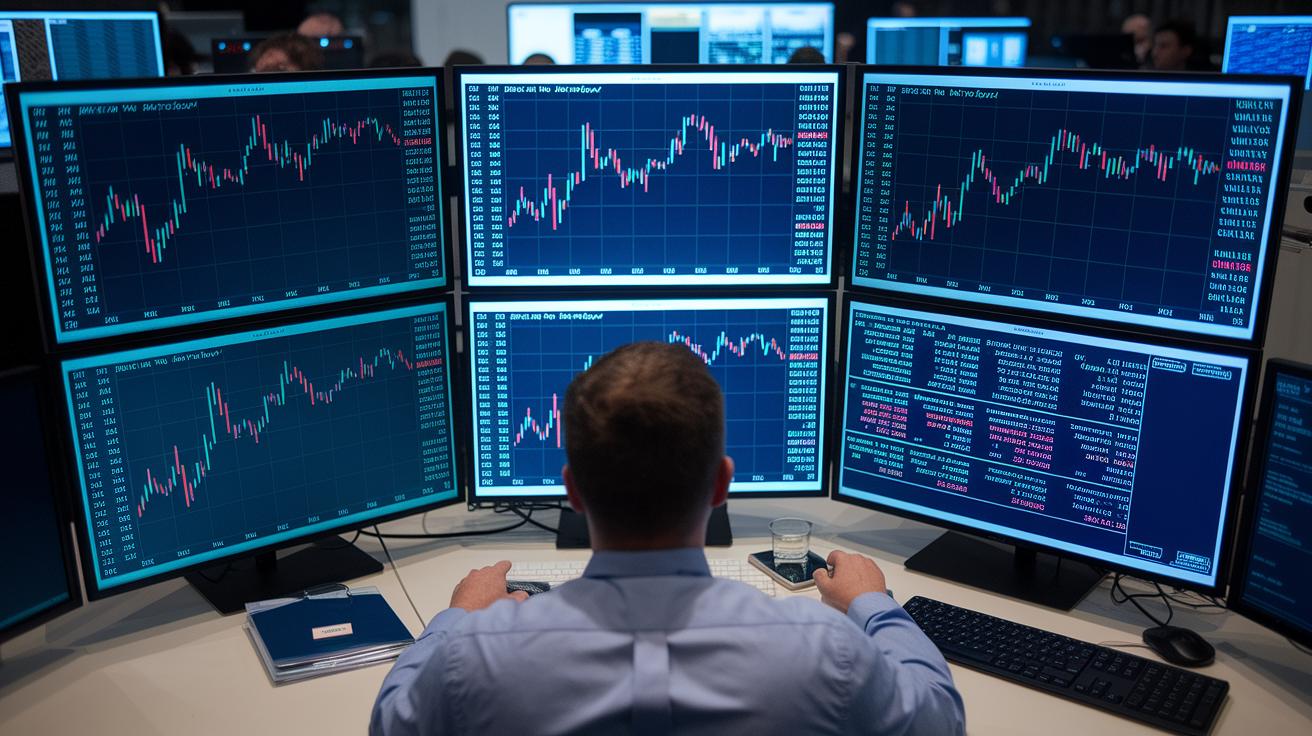
When you dive into crypto trading, knowing the risk level is like checking the weather before a trip. For instance, Value-at-Risk (VaR) gives you an idea of what you might lose if a big price drop hits. Other handy tools also estimate drawdown probabilities. Think of these tools as your forecast report that warns you about potential market storms.
Risk heat maps and likelihood-impact matrices turn dry numbers into vivid, easy-to-read visuals. Imagine a heat map that lights up trouble spots, this makes the sometimes confusing crypto world a bit more understandable. You can also lean on on-chain data analysis and specialized digital currency calculators to fine-tune your risk checks. And then there are volatility forecasting models (explained in straightforward guides like Technical Analysis of the Financial Markets) that help you spot sudden swings. Plus, scenario simulation platforms let you see how your portfolio might handle a severe drop, like losing 30% of its value.
| Tool | Purpose |
|---|---|
| Value-at-Risk (VaR) | Estimates how much you might lose |
| Risk Heat Map | Highlights risky areas visually |
| Likelihood-Impact Matrix | Rates the chance and effect of risks |
| Volatility Calculator | Predicts how much prices may swing |
| Scenario Simulation Platform | Tests portfolio performance under stress |
Using these tools, traders can get a clearer picture of their risks and make smarter decisions in this fast-moving market.
Crypto Risk Management Empowers Secure Trading

Securing your trades is all about simple steps you can take right away. Think of diversification like mixing different ice cream flavors, rather than betting on just one, you spread out your choices among various tokens, projects, and market areas.
Here are eight smart actions to help keep your trading safe:
- Choose a mix of tokens and market areas.
- Combine assets that don’t usually move together.
- Figure out how much risk feels right for you and size your trades accordingly.
- Use stop-loss orders to cut losses quickly.
- Set clear limits on how much risk you’re willing to take.
- Hedge with futures or options to add an extra layer of protection.
- Be cautious with leverage and set safeguards.
- Rebalance your portfolio regularly to keep things in order.
Each tactic builds toward a solid plan for protecting your digital assets. For instance, stop-loss orders work like a safety net, setting a 5% loss limit can feel just like having a secure vault for your funds. One trader mentioned, “I trust my stop-loss orders as if they were a digital vault guarding my investments.”
Adding hedges using futures or options gives your portfolio more defense, much like strategies shared on gotocryptos.com. And pairing non-correlated assets, such as stablecoins with more volatile ones, helps steady your ride through market ups and downs. Matching your position size to your risk comfort makes every trade feel more tailored to you.
Finally, think of rebalancing your portfolio as a quick check-up on your trading dashboard, it keeps your strategy aligned with market shifts and your personal comfort level.
Compliance and Regulatory Controls for Crypto Risk Management

U.S. Regulatory Updates and the GENIUS Act
Crypto rules are moving fast. Late next year, final Section 6045 regulations will require U.S. businesses to report digital asset transactions in more detail. This means firms must update their systems to capture and share the right data. And starting July 18, 2025, the GENIUS Act brings new rules for payment stablecoins. Companies now need to revisit their compliance plans to meet these new reporting standards and changing tax rules. One trader said, "Having clear guidelines feels like a safety net – every step the new rules bring us closer to a more secure market."
Frameworks for KYC/AML and Internal Controls
Good internal controls are the backbone of a safe crypto operation. It’s important to set up simple yet solid checks for knowing your customers through regular KYC and AML reviews. Keeping an eye on every transaction and maintaining detailed audit trails makes it easier to spot issues early. Think of these steps like quality control checks that protect the whole system.
Working with experts in blockchain and financial rules can really boost your process. Regular reviews and quick adjustments help your business keep up with new market rules. This approach builds a transparent and resilient foundation, making it easier to handle legal and tax challenges while staying ahead in the market.
Automated Monitoring and Real-Time Alert Systems for Crypto Safety

Real-time monitoring acts like a guardian for your digital assets. These systems watch closely for sudden price jumps or odd trading moves and alert you the moment something isn’t quite right. Picture a tool that pings your phone when it detects a 20% swing in just one day. It’s like having a smart bot ready to signal you whenever it spots trouble.
Automated risk analysis tools work around the clock to check on your portfolio’s health. They quietly gather on-chain data and monitor wallet flows to spot any potential issues early. One trader even said, "The instant alert felt like a lifeline during a sudden market dip." This means you get a heads-up on vulnerabilities right on your dashboard, letting you respond quickly.
Another plus is linking these systems with exchange APIs. When the market starts to get turbulent, the system can automatically pause trading or kick off auto-hedge measures. It’s like having an all-in-one defense that tells you about dangers right away, so you can take action before risks grow too big.
On-chain analytics tools strengthen your security even more by keeping a constant eye on exchange liquidity. They help you see the overall market mood and spot any signs of liquidity issues. For instance, if wallet activity suddenly drops, it might be time to reassess your strategy. Overall, these smart monitoring systems cut down response times and boost your confidence in protecting your digital assets.
Case Studies and Best Practices in Crypto Risk Management

One crypto exchange dodged a major disaster when they prepared ahead of time. They used tools like risk registers, incident response playbooks, strict KYC and AML checks (these are basic processes to verify who someone is and prevent money laundering), plus constant monitoring. A trader even said, "Our playbook was like a safety net during the storm." It really shows that a bit of planning can save the day when markets turn wild.
Another firm avoided a liquidity crisis by keeping a 15% buffer in stablecoins. Think of it like having extra fuel in your car during an unexpected traffic jam. This extra reserve let them handle sudden withdrawals without having to sell off assets at a loss.
In one instance, an investor managed to keep losses to just 5% during the March 2025 market drop. They did this by diversifying their holdings, setting stop-loss orders (which automatically sell a security when it reaches a certain price), and sizing their positions in a way that felt safe. This experience underlines how smart strategies and risk management can really protect your investments.
Regularly reviewing and updating risk plans, like doing quarterly risk audits, keeps these strategies sharp and ready for fast-moving markets.
Final Words
In the action, we explored a step-by-step approach featuring risk identification, quantitative tools, and smart mitigation techniques to keep your crypto investments secure. We broke down market volatility, regulatory controls, and real-time alert systems in easy-to-follow segments. Real-world examples illuminated how diversifying portfolios and setting stop-loss orders can guard against severe market moves. With a solid understanding of crypto risk management, you’re set to make informed decisions and watch your investments grow. Stay mindful, stay safe, and keep moving forward with confidence.
FAQ
What is a crypto risk management strategy?
A crypto risk management strategy involves identifying, evaluating, and mitigating risks like market volatility, security issues, and regulatory changes. It uses tools such as risk registers, assessment matrices, and incident response plans.
Is there a crypto risk management PDF available?
A crypto risk management PDF usually provides a detailed guide on risk identification, analysis, and response with clear examples and tools like heat maps to help illustrate key concepts.
What does a crypto risk management course cover?
A crypto risk management course covers fundamentals including risk identification, quantitative assessment tools, strategic mitigation techniques, and compliance standards needed for managing digital asset risks.
Who are crypto risk management companies?
Crypto risk management companies specialize in building risk assessment models, offering monitoring systems, and ensuring compliance with regulatory frameworks to protect digital asset investments.
What does crypto risk management certification involve?
Crypto risk management certification involves training on identifying various risks, using statistical tools, applying mitigation strategies, and understanding compliance requirements to improve your digital finance safety.
What crypto risk management jobs are available?
Crypto risk management jobs include roles like risk analyst, compliance manager, and automated monitoring specialist, where professionals use quantitative tools and strategies to protect investments in volatile markets.
What is considered the best crypto risk management practice?
The best crypto risk management practices combine diversification, stop-loss orders, real-time monitoring, and a clear incident response plan to reduce losses while protecting your overall digital portfolio.
How does a crypto risk management calculator work?
A crypto risk management calculator works by measuring exposure using metrics like Value-at-Risk and drawdown probabilities, which helps you adjust your trading and investment strategies based on risk assessments.
What is the 1% rule in crypto?
The 1% rule in crypto suggests risking no more than 1% of your total portfolio on any single trade, helping to safeguard your funds against unexpected market swings.
What are the 5 steps of risk management?
The 5 steps of risk management include identifying risks, analyzing them, scoring impacts with matrices, planning a response, and monitoring the results to continuously protect your investments.
What is the 30 day rule in crypto?
The 30 day rule in crypto typically refers to holding or cooling-off periods that affect transaction timing, tax calculations, or liquidity management during periods of market adjustment.
Can you make $100 a day with crypto?
Making $100 a day with crypto is possible, but it depends on market conditions, effective risk management, and a solid trading strategy that balances potential gains with controlled losses.