

Ever feel like your bank is keeping you from true financial freedom? Imagine being able to send digital cash directly to friends and family without anyone in between.
In this guide, we'll show you how cryptocurrencies are making waves with clear, secure transactions and easy-to-follow digital records. Whether you're curious about Bitcoin or just dipping your toes in, you'll see how smart investing in digital money can put you in the driver's seat of your finances.
This new way of trading offers a faster, safer method that feels as refreshing as a cool breeze on a summer day. It's all about taking control and finding a smoother, simpler path to manage your money.
Cryptocurrency Fundamentals for Beginners

Cryptocurrency is a kind of digital money that works using secure technology, letting you buy things or even trade for profit without needing a bank or government. Unlike regular money like dollars or euros, which are printed and controlled by banks, cryptocurrency lives only online, with clear rules that anyone can check.
Bitcoin, which came about back in 2009 thanks to someone using the name Satoshi Nakamoto, changed the game. It showed us that digital money could be sent directly from person to person without any middleman. This idea led to decentralized finance, where technology, not banks, handles financial transactions.
- Digital ledger: Think of it as a public record where every transaction is stored safely.
- Peer-to-peer transfers: This means money flows straight between people, cutting out extra steps.
- Cryptography: Imagine solving tricky puzzles that keep your transactions private and safe.
- Decentralization: There isn’t one boss in charge; instead, everyone shares the responsibility.
- Global accessibility: Anyone with an internet connection can join in on the action.
Getting these basics down is important before you start investing. When you know how digital coins work, from the secure log that tracks every bit of currency to the way people can exchange money directly, you’re in a better spot to make smart choices. It’s a bit like having a detailed map for a road trip; understanding these fundamentals gives you the guidance you need to keep your investments secure and navigate the twists and turns of the market.
How Cryptocurrency Works: Blockchain and Mining Basics

Blockchain is the heart of digital money. It works like a digital ledger that keeps track of every move, linking blocks of data together so everyone can trust the record. Imagine it as a chain that’s really tough to break.
Blockchain Technology
In blockchain, each block connects to the one before it. A network of computers checks every block to keep things clear and unchangeable. Think of it like a secure diary where every page stays permanently recorded.
Mining vs Proof of Stake
Mining is when computers work hard to solve tricky puzzles. It’s like a race where miners tackle brain-teasing challenges with powerful machines and high energy use to earn tokens. On the other hand, proof of stake lets people earn tokens simply by holding them, which saves energy and is kinder to the environment.
Both mining and proof of stake help keep the network safe and create new tokens. Every trade is checked by many participants, lowering the risk of fraud. If you like, you can use the Blockchain Transaction Tracker to see that each record is logged correctly. Plus, when you help verify transactions, new tokens are rewarded, keeping the system running smoothly.
Understanding these systems is key if you want to invest smartly in digital assets. These secure methods safeguard your money and open the door to future breakthroughs in blockchain technology.
Cryptocurrency Wallet Setup Essentials for New Investors

When you're picking a digital wallet, you really have two main choices: hot wallets and cold wallets. Hot wallets are apps or software on your phone or computer that let you access your funds quickly. They’re super easy to use but can be more vulnerable to online threats. Cold wallets, on the other hand, are physical devices that keep your crypto offline, making them a safer option against hacking.
Getting set up is pretty straightforward. First up, generate a private key and a seed phrase, a simple list of words that works as a backup if you ever lose access. Write down this seed phrase on paper and stash it somewhere safe, away from your computer. Then, choose a strong password using letters, numbers, and symbols, and don’t forget to enable two-factor authentication for extra security. If you need guidance, a step-by-step guide, like How to Set Up a Crypto Wallet, can walk you through the process easily.
Also, make it a habit to back up your wallet regularly and keep your software updated. Regular check-ups and the latest security patches are key to keeping your assets safe. Taking these simple steps can really help protect your investments over time.
Selecting a Secure Cryptocurrency Exchange Platform and Trading Tactics for Novice Market Participants

When picking a crypto exchange, look for one that follows local rules and keeps your money safe with tight security. A good exchange feels easy to use, offers plenty of funds trading so you can buy or sell quickly, and clearly explains its fees. Plus, strong customer support can make a big difference if you run into any issues. Top names like Binance, Coinbase, Huobi, and OKX stick to strict security rules so you can feel confident that your funds are well protected.
Knowing the basics of order types can really boost your trading confidence and help you avoid snap decisions. For instance, market orders let you buy or sell right away at the current price while limit orders let you set a goal price to hit before the trade happens. Some traders even use tactics like dollar-cost averaging, which spreads out your buying to ease the stress of big price swings. For more tips on order types and trading strategies, have a look at the Crypto Investing Strategies page for easy-to-follow advice.
| Exchange | Fee Structure | Security Features |
|---|---|---|
| Binance | Low fees | Two-factor authentication, offline storage |
| Coinbase | Standard fees | Regulated platform, insured funds |
| Huobi | Competitive fees | Reliable security measures |
Security Measures and Best Practices in Safeguarding Online Holdings
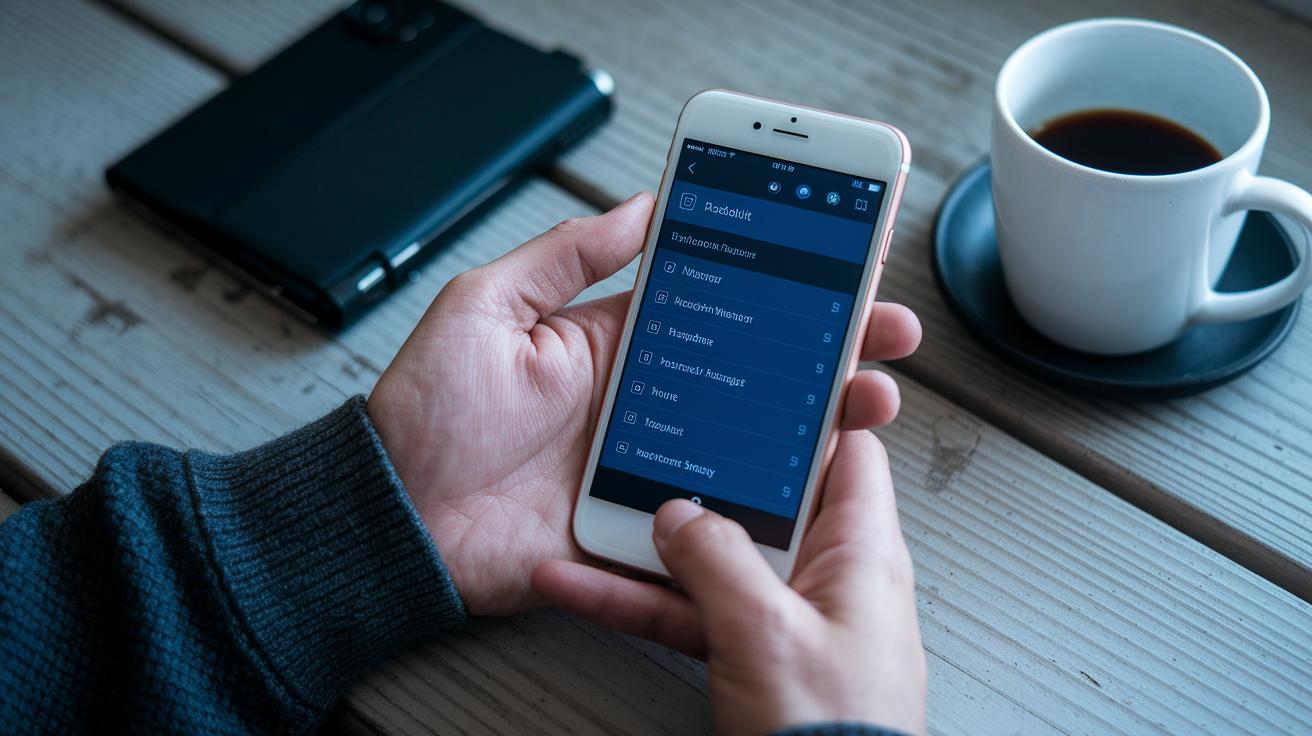
Keeping your digital assets safe starts with smart security habits. With risks like exchange hacks, phishing attacks, and wallet vulnerabilities always around the corner, treating your crypto like something valuable means taking simple, practical steps to protect it.
Using password managers is a great idea because they help you create and store strong, unique passwords that stop unwanted access. And remember to enable two-factor authentication, it adds an extra lock to your door. For long-term storage, think about using hardware wallets. By keeping your private keys offline, you make it much harder for hackers to get in. Imagine your crypto wallet as a secure safe; the more layers you add, the tougher it is for anyone trying to break in.
Keep an eye out for red flags, like unverified links or offers that try to give away free crypto. Stay updated on any changes in rules, such as tax shifts or new reporting requirements, because these can change how you manage your investments. Being informed and careful is the best way to avoid scams and keep your funds secure.
Step-by-Step Purchase Guide for Virtual Coins and Transaction Fee Structure Overview

Before you dive into buying your first digital coin, you need to set up your exchange account. This means giving some personal details and proving who you are, usually by uploading a photo ID and sometimes extra papers. Getting this done confirms your account and meets the rules set by regulators.
Once your account is approved, add money to it. You can use a bank transfer, a credit card, or even deposit a type of crypto called a stablecoin (a coin designed to stay steady in value). Bank transfers might take a few days, while a card payment is quicker. Every method has its own fees and waiting times, so pick the one that works best with your financial plan.
When your money shows up in your account, it’s time to place a buy order. It’s a good idea to start small to get the hang of the platform. After your purchase, move your coins into a personal wallet. This extra step helps keep your digital coins safe, much more than leaving them only on the exchange.
Keep in mind that each transaction can come with fees. These can include charges for making or taking orders and fees for transferring coins over the network (often called gas fees). To save money, try trading when fewer people are active and set a specific price with limit orders. This careful planning can help you avoid extra costs down the road.
Cryptocurrency Investment Strategies for Beginners: Small Sums, Diversification, and Risk Management

Small-Sum Approaches: Dollar-Cost Averaging and Micro-Investing Platforms
Investing a little bit of money on a regular basis can be a friendly way to step into the market. One popular method is called dollar-cost averaging. This means you buy the same amount of crypto every set period, much like putting aside a few dollars each week for a fun treat. It helps level out the ups and downs in prices and slowly builds up your portfolio. Plus, micro-investing platforms let you start with very small amounts, making the whole crypto world feel more like a part of everyday life.
Diversification Methods: Balancing Bitcoin, Altcoins, Stablecoins, and Tradfi Assets
It is wise to spread your money around instead of putting everything into one type of coin. Mixing investments between Bitcoin, other coins called altcoins, stablecoins, or even traditional assets like stocks and bonds works similar to putting together a balanced meal. Each ingredient adds to your overall health and strength.
Using simple risk-management tools is also a smart idea. Tools like position sizing help you decide how much to put into each asset so that if one doesn’t do well, it won’t hurt your whole portfolio. Stop-loss orders work like a safety net by automatically selling your assets if their prices drop too much. Finally, checking in on your portfolio every now and then lets you adjust your plan based on current trends, and you can even get advice from a trusted expert when needed.
Final Words
In the action, we walked through everything from the basics of digital currencies and blockchain to setting up a safe wallet and choosing the right exchange. We examined how to buy coins, manage fees, and apply smart trading strategies while keeping risks in check. Each section built on familiar ideas to simplify digital finance for cryptocurrency for beginners. Every step reinforces the importance of a thoughtful, secure approach when building your digital portfolio. Stay curious and keep learning as you move forward in the crypto market.
FAQ
What is cryptocurrency?
The term cryptocurrency refers to a digital form of money that uses encryption for security and functions without central bank control. It represents tokens like Bitcoin used for purchases and trading.
Where can I find a Cryptocurrency for Beginners book or PDF?
The Cryptocurrency for Beginners book explains digital coin basics in plain language. It’s available in print and as a PDF online, offering an accessible introduction for newcomers.
How do I invest in cryptocurrency as a beginner?
Investing in cryptocurrency for beginners involves starting with a clear plan, researching reliable exchanges, and using small sums through methods like dollar-cost averaging to gradually build your experience.
How do I invest in cryptocurrency with little money?
Investing with a small amount means using micro-investing techniques and gradually increasing your stake. This approach helps you learn market behavior while managing risk responsibly.
Why do some people criticize cryptocurrency?
Some view cryptocurrency skeptically due to its market volatility, the risk of scams, and uncertainties in regulation. These concerns mean that thorough research and cautious strategies are key when investing.
What is the best cryptocurrency for beginners and which should I buy?
The best cryptocurrency for beginners is often Bitcoin because of its broad acceptance and liquidity. Once you’re comfortable, exploring other altcoins may help diversify your portfolio.
Is cryptocurrency safe to use?
Cryptocurrency safety depends on the security measures around your assets, such as using strong passwords and secure wallets. While blockchain reinforces security, risks like hacks emphasize the need for careful practices.
Is $100 enough to start in crypto and how does $1000 translate?
Starting with $100 lets you explore crypto basics, while $1000’s value fluctuates based on current prices. Checking real-time market quotes can help you understand the actual worth of your investment.
What does the 30-day rule in crypto mean?
The 30-day rule in crypto refers to tax guidelines where selling an asset within 30 days of buying it may lead to different tax treatments. It’s important to know your local tax rules before trading.
How do I buy cryptocurrency, set up a crypto wallet, and use a crypto app?
Buying crypto involves selecting a reputable exchange, creating an account, and completing identity verification. Then, you can secure your purchase in a safe crypto wallet and track it using a trusted application.
How do I buy and sell crypto?
Buying and selling crypto require a verified account on an exchange where you can place market or limit orders. After trading, transferring assets to a secure wallet helps keep your funds safe.