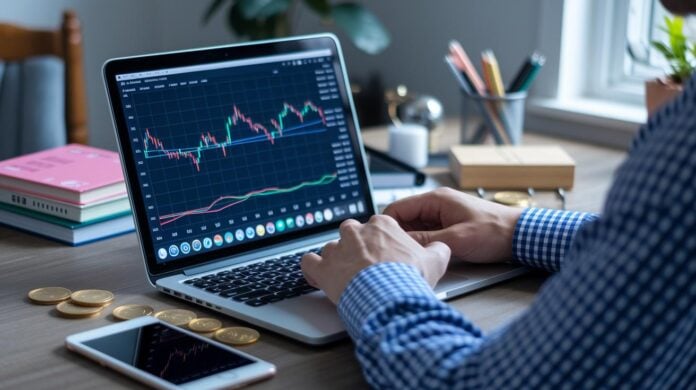

Have you ever wondered why some people do so well in crypto while others don’t? Many dive in without a clear plan and take on more risk than they mean to.
Think of building a crypto portfolio like tending a garden. First, you set your targets, just like planning which plants to grow. Then, you decide how much risk you’re comfortable with, much like choosing the right spot for each plant. Finally, you pick a mix of digital assets that suit your taste.
With thoughtful steps and practical advice, you can create a portfolio that fits your style and helps you move closer to your financial dreams.
Crypto Portfolio Construction: Step-by-Step Guide
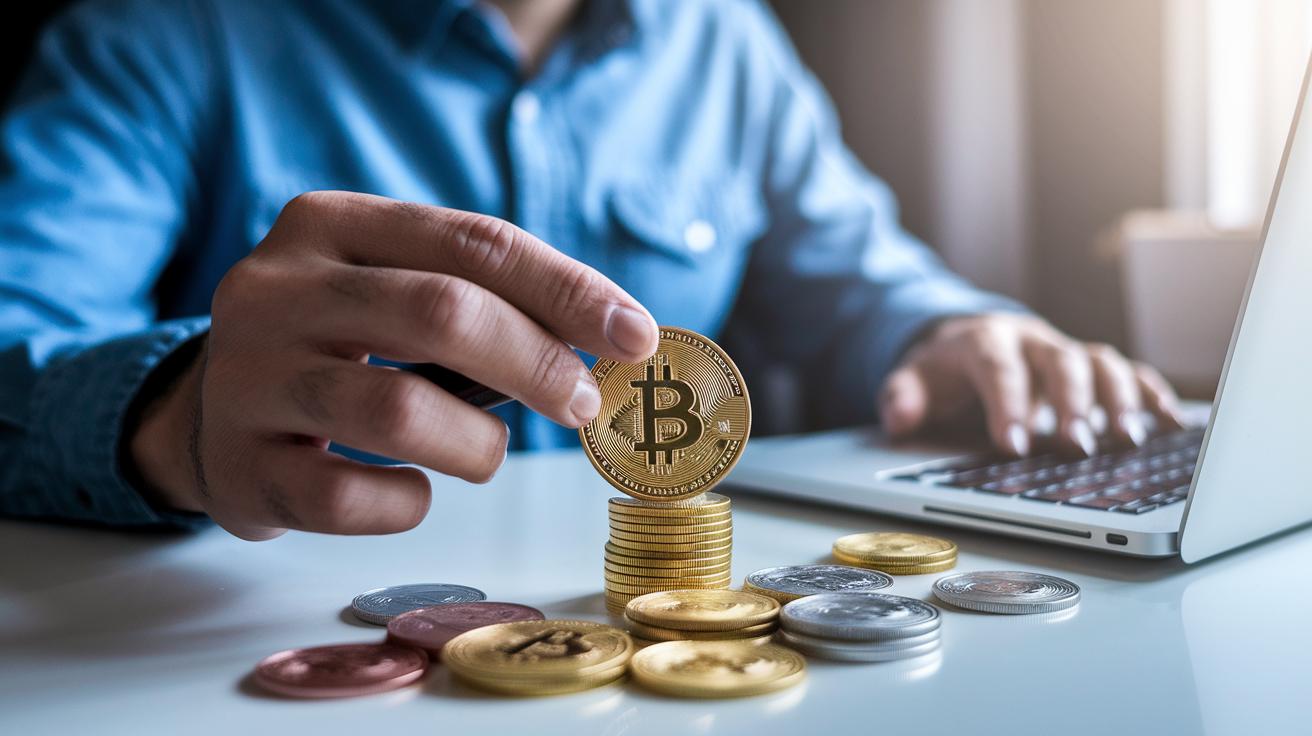
Building a crypto portfolio means putting together a mix of coins, tokens, and other blockchain investments that suit your comfort with risk and your financial goals. Start by figuring out what you want from your investments. Whether you’re aiming for long-term growth, a steady income, or just spreading out your risk, think of it like planning a garden that grows bit by bit even while you sleep.
Here are five simple steps:
-
Define your goals
Decide what you want your portfolio to achieve. Clear goals help guide every decision you make. -
Know your risk level
Figure out if you prefer playing it safe, striking a balance, or going all in. This will help you choose the right mix of assets for your style. -
Choose your assets
Pick a blend of well-known cryptocurrencies and promising new ones. Do a little research on things like how trusted an asset is and how it’s used in the market. -
Allocate your funds
Decide how much money to put into each asset. A smart balance helps you manage risk and aim for good returns. -
Review your portfolio
Check in on your investments regularly to make sure they still fit your goals. Adjust them as market conditions change.
Each step is key to creating a digital asset portfolio that feels just right for your personal style and financial dreams.
Risk Management and Custom Planning for Your Crypto Portfolio

When planning your crypto moves, only use money you feel okay with losing, kind of like setting a fun budget for a night out. Here are some easy steps to help you build a plan that works for you.
-
Define your goals
Start by knowing what you want to achieve. Maybe you aim for steady gains to help save for something special. For example, "I want a mix of quick, lively coins and solid digital assets to reach my future goal." -
Understand your risk level
Only risk money you won’t miss if things don’t go as planned. Think of it like enjoying a roller coaster, you love the thrill, but you're ready for the ups and downs. For instance, "I like a balanced mix because I'm okay with some fluctuations, as long as it doesn't break my bank." -
Pick your time frame
Decide whether you’re planning a short-term dash or gearing up for a longer journey. It's like choosing between a sprint and a marathon. For example, "I’m setting my plan for the next 12 months so I can check in regularly and tweak it if needed." -
Set your budget
Choose a fixed amount that keeps your overall finances safe in these fast-changing markets. For instance, "I've set aside a sum that fits comfortably within my budget, leaving room for any market twists and turns."
Diversification Methods for Crypto Investors
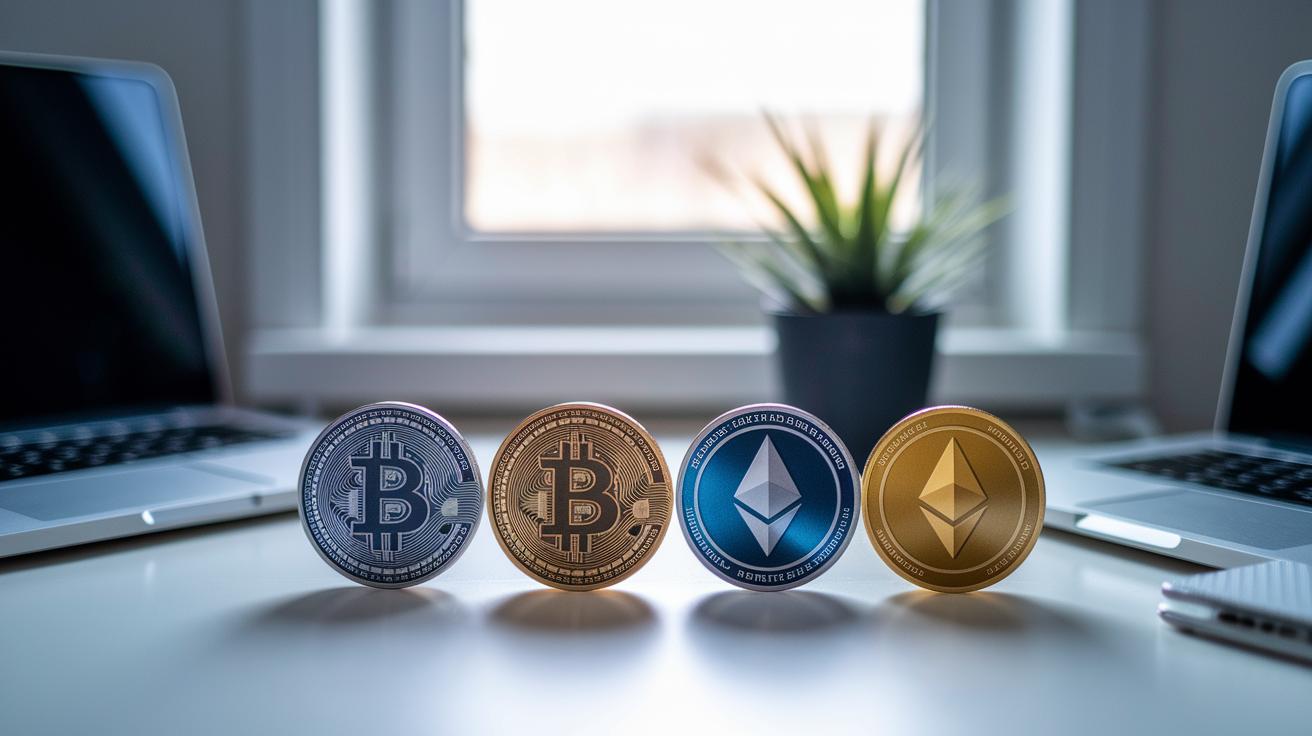
Spreading your investments around is one of the smartest moves you can make. It works like this: mixing different types of assets can help lower your risk without giving up a chance to earn good returns. Imagine your portfolio is like a menu where each dish has its own flavor. Having a mix of well-known coins and emerging altcoins means that if one dips, the rest can help soften the blow.
A well-rounded setup lets you jump on market opportunities fast while keeping a cushion during rough patches. For example, putting all your trust in one even if it’s a big name might hurt you badly if its price drops suddenly.
Here are a few tips:
- Blend big names like BTC and ETH with some medium-sized coins.
- Keep some stablecoins around to easily cover any immediate needs.
- Try grouping coins by themes (like DeFi or gaming tokens) for extra focus.
- Don’t let one coin take up too big a share of your total investments.
- Check in regularly and trim off any underperformers.
This approach is all about balance. Instead of spreading yourself too thin, you choose a plan that lets your investments grow while protecting you from wild swings. Watching which coins do well and which need a little shakeup is key to keeping your portfolio strong.
| Asset Type | Example Assets | Suggested Allocation |
|---|---|---|
| Payment Currencies | Bitcoin (BTC) | 30% |
| Infrastructure Tokens | Ethereum (ETH), Cardano (ADA) | 25% |
| Stablecoins | Tether (USDT), USD Coin (USDC) | 20% |
| Altcoins & Thematic | DeFi, Gaming, Meme Coins | 25% |
Composition Analysis: Selecting Crypto Assets for Your Portfolio
Picking crypto for your wallet is a lot like planning a balanced meal that helps your money grow. It all starts with figuring out the different types of tokens you want to add to your mix.
Payment Currencies
Bitcoin is often called digital gold. Its strong reputation and high liquidity give many investors peace of mind, especially when market conditions shift. Many folks even say, "I trust Bitcoin to keep my portfolio steady during tough times."
Infrastructure & Utility Tokens
Tokens such as Ethereum and Cardano power a wide range of digital apps. Ethereum uses smart contracts, simple programs that handle tasks automatically, while Cardano is built on careful research for future growth. By adding these tokens, you're investing in the very technology that keeps digital finance alive, much like putting money into the engine of a car. If you're curious to learn more, there are plenty of crypto guides to help you dive deeper.
Alternative Tokens (Meme & Governance)
Some tokens spice things up with a bit of unpredictability. Speculative coins like Dogecoin add a playful twist, along with some natural ups and downs. Meanwhile, governance tokens such as Uniswap and Aave give you a chance to help steer their communities while benefiting from overall growth. Just be sure to do your homework, watch out for any red flags like unverified code or odd trends, to keep your choices on solid ground.
Rebalancing Tips for Crypto Portfolio Optimization

Keeping your crypto portfolio on track with your risk and reward goals means you might need to rebalance it often. When the market shifts and your asset mix moves away from what you planned, it’s a good time to take a look. Try checking your holdings every few months, maybe every three or six months, to make sure your investments still fit your risk level. It also makes sense to hold some stablecoins. They give you the chance to act quickly when prices drop, letting you buy assets at a lower cost.
Think of rebalancing like tuning a guitar. A few small adjustments can keep everything sounding just right. As prices change, some assets might take up a bigger piece of your portfolio while others shrink. Making smart trades, selling some of the assets that have grown too large and buying more of those that have fallen behind, helps keep your plan balanced and steady.
- Check the percentage of each asset
- Compare it to your target mix
- Sell assets that go over your set limit
- Buy more of the assets that fall below your target
This careful routine can support long-term stability, even in the unpredictable world of digital currencies.
Tracking Performance of Your Crypto Portfolio
Keeping an eye on your crypto investments is a lot like checking the dashboard in your car, you need to see how things are going to steer your next move. One simple way to do this is to create a basic spreadsheet where you jot down details like what you paid, what it’s worth now, and the dates of your transactions. It gives you a clear picture of your wins and losses, kind of like glancing at your fuel gauge while on a long drive.
If you’d rather skip the manual work, there are portfolio tracker apps that update in real time and send handy alerts. These tools pull in live data and show it in an easy-to-understand way so you can quickly spot any big shifts. Many investment platforms even offer a client portal that gathers all your transaction history and current holdings in one secure spot.
Regularly checking your performance and taking a closer look at your analytics helps you make better choices. You might decide to adjust your investments or dive into new opportunities, much like refueling or recalibrating your route when needed. Consistent tracking keeps your portfolio aligned with your financial goals as market conditions change.
Advanced Crypto Investing Techniques and Long-Term Planning

When you get ready to make advanced moves in crypto, think of it like crafting a smart game plan that stands the test of time. One popular approach is HODL, simply hold on to your digital coins for a long time so you can ride the market's ups and downs without stress.
Another method is called Dollar Cost Averaging. This just means buying a fixed amount of crypto on a regular basis, no matter what the price is at the moment, so you don’t worry too much about timing the market perfectly. And sometimes, you might choose a "buy the dip" approach, which means snapping up coins when their prices drop briefly for a chance to get a better deal.
Some investors also look into Crypto Bundles. Think of these like ready-made baskets filled with different coins that offer a mix of growth and steady income. They can be a lifesaver if you’re still learning the ropes in digital finance.
It’s important to remember that crypto investing is risky. Rules and guidelines can vary by region; some platforms come from places like Switzerland, the EU, or Argentina. So always invest only what you can afford to lose.
Planning for the long term means mixing steady strategies with occasional tweaks. Keep a close eye on the market and on how your investments are doing, then adjust your portfolio as needed. In the end, smart moves come from doing your homework and sticking to a thoughtful plan.
Final Words
In the action, we walked through building a crypto portfolio by setting clear investment goals and smart risk management. We covered key steps like defining objectives, assessing risk tolerance, and smart allocation along with diversification methods and rebalancing tactics.
Each section offers simple, actionable steps to improve your digital asset journey. This guide helps you see how to build a crypto portfolio that fits your goals, helps secure your investments, and opens new doors for growth. Keep moving forward with confidence.
FAQ
Q: How can I build a crypto portfolio with no money or start with just $100?
A: The question about starting a portfolio with limited funds suggests using low-fee platforms and fractional purchases. Even a small amount like $100 can begin your journey if you manage risk carefully and grow over time.
Q: How can beginners build a crypto portfolio, as discussed on Reddit?
A: The inquiry on building a portfolio for beginners emphasizes setting clear goals, understanding your risk tolerance, choosing well-known coins, and using simple, step-by-step methods. It’s all about learning the basics and tracking progress.
Q: What are some crypto portfolio examples and the best allocation for 2024?
A: The query about portfolio examples and allocation points to blending major coins, stablecoins, and altcoins. A balanced example might use 30% Bitcoin, 25% Ethereum, 20% stablecoins, and 25% other diverse tokens.
Q: What is a crypto portfolio and how should it be structured?
A: The question about a crypto portfolio explains that it’s a mix of digital assets aligned with your risk profile. Structuring one involves defining clear objectives, selecting a mix of assets, and reviewing your allocation regularly.
Q: Can I really make $1000 a day with crypto?
A: The question about earning $1000 daily from crypto highlights the high risk and volatility of digital markets. While some trades may hit big, consistently making such profits requires advanced strategies and careful research.
Q: What exactly is the 30-day rule for crypto?
A: The query about the 30-day rule generally relates to waiting a full month after selling before repurchasing the same asset to avoid tax complications. It’s meant to help stabilize trading behavior—always check local guidelines.