
Ever notice an economy picking up speed? India's real GDP rose by 7.8% in one quarter, a boost that feels a bit like watching your favorite team pull off an unexpected win. It builds on steady progress made before and hints that bigger changes might be coming on the world stage. These impressive numbers make you wonder what the next big move will be.
India’s GDP Growth Snapshot: Latest Real and Nominal Rates

India’s real GDP jumped to 7.8% in the April–June 2025 quarter, the fastest pace seen in five quarters. The nominal growth rate hit 8.8% when inflation wasn’t considered, rising from the previous quarter’s 7.4%. This steady climb shows the economy is gaining momentum.
Looking back, Q4 of FY 2024–25 recorded a 7.4% growth rate, and the full-year GDP growth was 6.5%. The jump to 7.8% suggests a stronger economic pulse, much like spotting a sudden upswing in the market when you least expect it.
| Period | Real GDP Growth | Nominal GDP Growth |
|---|---|---|
| Apr–Jun 2025 | 7.8% | 8.8% |
| Jan–Mar 2025 | 7.4% | 7.4% |
| FY 2024–25 | 6.5% | 6.5% |
| 30-year average | 6.0% | 6.0% |
India’s role in the global economy is growing too. In 2024, the country’s share of global GDP (PPP) reached 8.3%, and it contributed 17% to global GDP growth. This shows that India is not only boosting its own economy but also making a strong impact on the world stage.
Historical National Income Trends: India’s Long-Term GDP Growth
Since the early 1990s, India's economy has been steadily growing, usually clocking in at over 6% a year. It's a bit like watching a plant slowly bloom, always growing, always getting a little bit stronger as time goes on.
After the global health crisis, things really kicked up a notch. Between 2021 and 2024, the annual growth rate jumped to more than 8%. Imagine a quiet neighborhood shop suddenly getting packed with customers, that’s how much this boost lifted the spirits of both investors and everyday people.
- 1991: GDP reforms set off a wave of strong economic changes.
- 2004: Growth consistently stayed above 5%, marking a fresh phase in development.
- 2015: The economy frequently hit more than 7% growth.
- 2020: The pandemic hit hard, leaving a noticeable shock.
- 2022: A strong recovery pushed growth beyond 8%.
GDP per capita (PPP) has shot up nearly ten times since the early 1990s, while extreme poverty has dropped from over 45% to about 5% in 2022. This means that millions of people now enjoy better living standards and easier access to essential services. In simple terms, tough economic challenges have turned into opportunities for a larger part of society.
Sectoral Impact Evaluation: Drivers of India’s GDP Growth

Looking at GDP by sector makes it easy to see what drives India's economic progress. It helps both investors and policymakers understand how changes in spending, production, and jobs might shape the future.
| Sector | Share of GDP % | Latest Growth Rate % |
|---|---|---|
| Services | 61.4% | 7.8% |
| Industry | 25.0% | 6.2% |
| Agriculture | 13.6% | 3.5% |
Services are the major force in India’s economy, marking a shift from a farming-based past to a modern, service-oriented future. Daily activities like spending on travel, healthcare, and digital products fuel this dynamic sector, much like the main engine in a well-tuned machine. Although manufacturing is slowly making a comeback, services still hold the center stage.
On the other hand, agriculture might now be a smaller slice of the pie, but its steady, albeit slower, growth offers a reliable cushion. This stability in farming supports rural spending and job creation, acting as a safety net during market ups and downs. The slow pace of agriculture stands in contrast to the energetic rise of services, showing how each sector evolves with new technology, shifting consumer habits, and policy changes.
Role of Domestic Consumption and Investment in India’s Growth
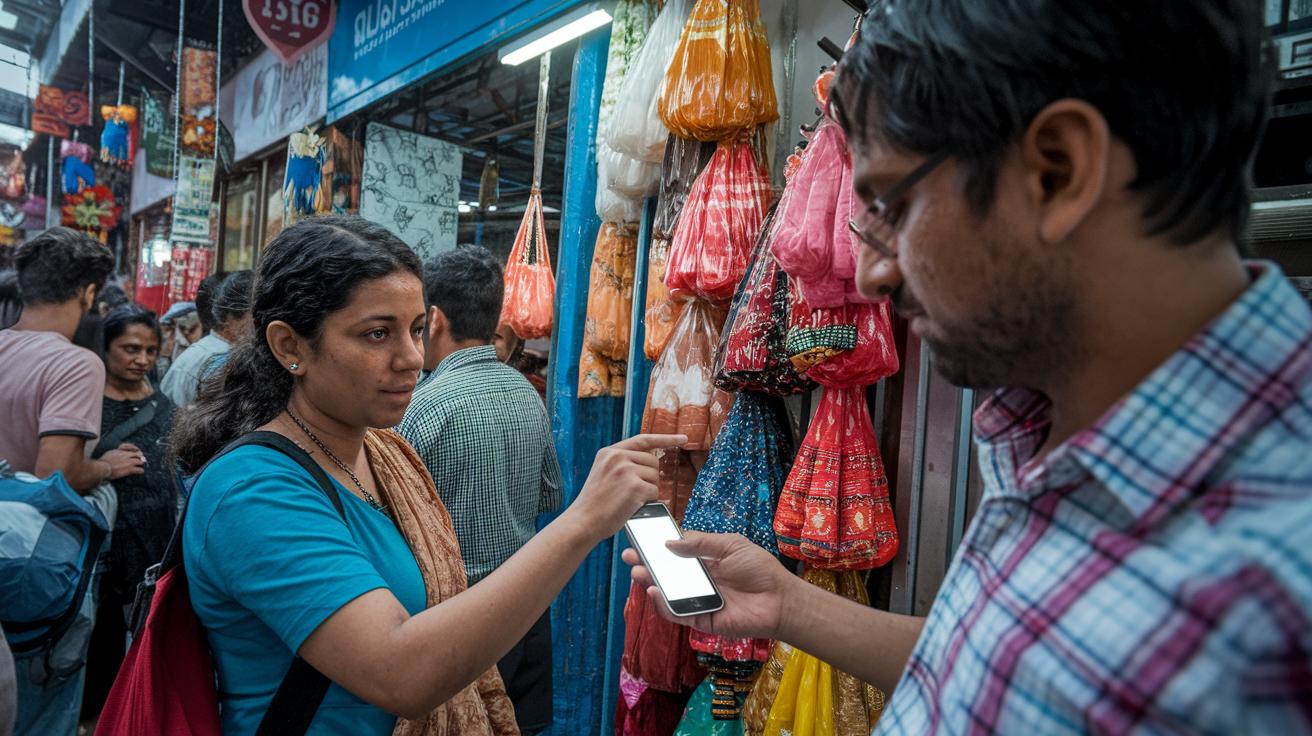
Domestic spending in India is picking up fast. Private buying now makes up about 61.4% of the nation’s GDP for the fiscal year 2024–25. More and more people are moving to urban areas and treating themselves to luxury items as the middle-income group grows. Experts expect an extra 75 million households by 2030, which means over half the country will see this change. With more money in people’s pockets and a boost in confidence about the future, everyday spending is changing too, especially with digital services making life simpler. Overall, the strong buying power shows a wave of new hope in both cities and small towns.
Changes in the population are also shaking things up. By 2030, an extra 100 million tech-savvy workers will join the market, reshaping how people shop and use digital services. This young talent not only sparks new ideas but also adds extra fuel to the rising local demand. These trends are shifting markets in every sector.
• Rising incomes are driving more spending.
• Fast urban growth is unlocking fresh opportunities.
• More digital tools are changing the way people shop.
• Better access to credit makes buying easier.
Meanwhile, spending at home is steadily helping the economy grow strong.
Investment in tools and equipment is also a big part of India’s growth story. Companies are spending more on machinery and better infrastructure, which improves how fast and efficiently work gets done. Higher savings across the country mean more money is being put back into new projects. Together, these smart investments build a solid foundation for a lasting and secure economy.
Foreign Investment and Trade Balance: Impact on India’s GDP Growth

Foreign direct investment, or FDI (money coming in from overseas investors), has been a bit of a roller coaster lately. For five months straight until March 2025, money tended to flow out, hinting at some uncertainty in global markets. But then, a few modest inflows popped up, showing that India's financial market can bounce back. Even when short-term hiccups occur, investors still believe in India's bright economic future. And when FDI slows down, India's strong domestic market often picks up the slack, keeping growth on track.
• UK trade deal in May 2025 – expected to kickstart export activity and boost GDP
• Ongoing US trade negotiations – likely to provide steady gains to manufacturing
• Anticipated EU agreement by year-end – set to open up more markets and increase service exports
• Discussions on an India-ASEAN pact – forecasted to ramp up regional trade and add positively to GDP
• Bilateral talks with Australia – aimed at enhancing technology and investment flows for extra economic momentum
Trade balance has played a major role in supporting India’s overall growth. Exports, a key part of the GDP pie, have kept gaining strength as new trade agreements come into play. Strong exports help balance out current account figures and lift domestic production levels. With steady trade performance and emerging FDI inflows, India seems well-prepared to face both internal and external challenges while building a solid foundation for future expansion.
Policy Reforms and Fiscal Measures Driving India’s GDP Growth
Lately, tax breaks and easier money policies have given our economy a lift while keeping price rises in check. These moves help ease worries in the market and keep spending steady when times feel a bit shaky.
The government’s Viksit Bharat vision is all about transforming India into a developed nation by 2047. It’s a big plan that focuses on boosting areas like capital, labor, productivity, and talent. In other words, it tackles old challenges with smart, focused changes that make the market run smoother and help India stand tall globally.
| Reform | Description |
|---|---|
| Labor Market Reforms | Simplify job rules to spark more hiring |
| Trade Liberalization | Cut trade barriers to boost global business |
| Agricultural Modernization | Upgrade farming methods and infrastructure |
| Education Improvements | Enhance skills for a tech-driven workforce |
| Health Services Upgrade | Strengthen public health for better community care |
| Infrastructure Development | Invest in transport and digital connectivity for smoother business |
Keeping inflation under control is still a top goal. The central bank is carefully adjusting interest rates and watching the market to make sure things stay stable. With these balanced steps working together, the framework is set to build a strong and adaptable economy that grows steadily over time.
India GDP Growth Surges in Economic Optimism
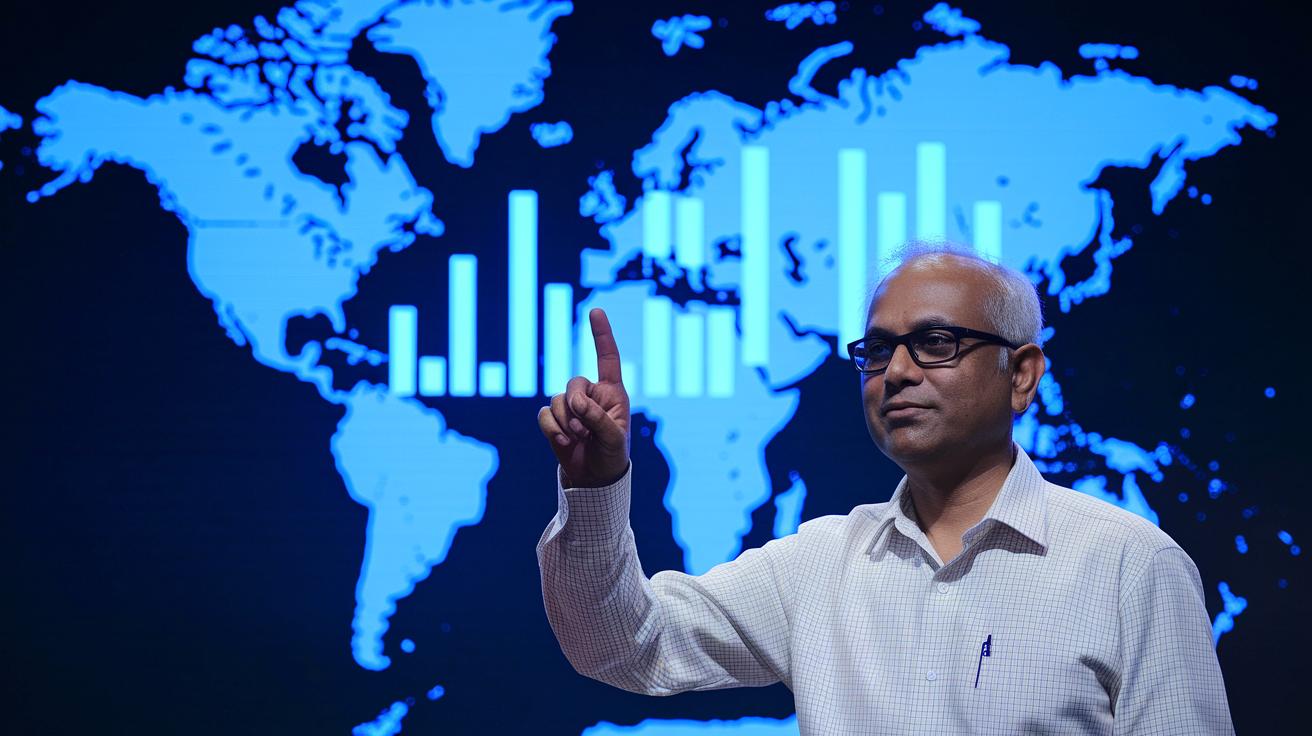
India's position around the world has come a long way in recent years. Back in 2009, India was ranked 11th among the global economies. Today, its slice of global GDP using purchasing power parity is growing steadily. Experts even predict that by the end of 2025, India could rank as the 4th largest economy. It's like watching your favorite local team climb up the standings, one step at a time.
| Year | Global Rank | GDP (PPP $ trillions) |
|---|---|---|
| 2009 | 11 | 3.5 |
| 2024 | 7 | 6.5 |
| 2025 Projection | 4 | 8.5 |
Deloitte's insights play a big part in shaping how we see India's growth. They looked at two possible futures. One is positive: with clear trade rules, growing confidence among investors, and a global economic bounce-back, India could see even stronger growth. On the flip side, there are concerns like ongoing supply chain hiccups and stricter monetary policies that might slow things down a bit. This balanced view gives us a real picture of both the bright spots and the challenges ahead.
Looking into the near future, India's GDP is expected to grow steadily between 6.4% and 6.7% in the fiscal year 2025–26. This steady rise comes from falling inflation, supportive government policies, and strong local demand. Plus, investments in technology and a growing consumer market add fuel to the fire. Each step forward builds more confidence in a future where economic optimism continues to grow.
Challenges and Risks Facing India’s GDP Growth
India’s economy faces some internal hurdles. Rigid labor policies, slow progress in building roads and other important structures, and unclear trade rules all make it tougher for companies to hire, roll out projects, and invest in big changes. Even though lower inflation and steady oil prices help a bit, these challenges still weigh on the country’s growth.
Outside factors also add pressure. A slowing global economy might reduce export demand and shake investor confidence. Geopolitical tensions can disrupt trade across borders. Ongoing supply-chain issues cause delays and raise costs. And unpredictable international trade rules add another layer of risk for expanding businesses.
To move forward in a sustainable way, India needs to look at new strategies and smart policies. Broadening its export base, modernizing infrastructure, and updating labor practices can help cushion the economy from sudden shocks. With these steps and a balanced approach to domestic policies, India can build a more flexible and strong economic future.
Final Words
In the action, we tracked real and nominal GDP rates, long-term growth milestones, and the sectoral and domestic forces shaping the economy. We also examined policy reforms and India’s standing on the global stage. These insights offer a straightforward view of smart strategies for well-planned financial moves. The discussion highlights a resilient path forward, driving positive india gdp growth. Keep these details in mind as you plan for a secure future.
FAQ
Q: India GDP growth rate last 10 years
A: The India GDP growth rate last 10 years shows steady economic expansion, averaging around 6–8% thanks to market reforms, structural shifts, and dynamic domestic consumption.
Q: India GDP rank
A: The India GDP rank reflects a rising global position, with projections indicating a move into the world’s top four economies by the end of 2025 due to robust growth and strategic reforms.
Q: India GDP growth rate last 20 years
A: The India GDP growth rate last 20 years demonstrates a long-term upward trend, with improvements driven by successive reforms and demographic advantages transforming the economy over two decades.
Q: India GDP in trillion
A: The India GDP in trillion-dollar terms highlights a large-scale economy measured in multiple trillions, marking significant progress from smaller beginnings to a modern, expansive economic structure.
Q: India-Pakistan live
A: The India-Pakistan live updates provide real-time news during momentous events, important for understanding regional political and economic shifts that sometimes influence investor sentiment.
Q: GDP of India 2025
A: The GDP of India 2025 is forecast to reach higher trillion-dollar levels driven by steady growth, ongoing reforms, and a resilient market that continues to attract global interest.
Q: India GDP growth rate last 10 years Graph
A: The India GDP growth rate last 10 years graph visually displays a decade’s worth of steady growth, with clear trends indicating periods of acceleration linked to policy shifts and economic recoveries.
Q: India GDP growth rate last 20 years Graph
A: The India GDP growth rate last 20 years graph offers a visual summary of two decades of progress, showing marked improvements during reform periods and highlighting long-term economic resilience.
Q: Is India’s GDP really growing?
A: The question of whether India’s GDP is really growing is answered by consistent data that shows solid economic expansion, driven by reforms, increased consumption, and global market integration.
Q: Is India a 4 trillion economy today?
A: The inquiry about India being a 4 trillion economy today reveals that while it has not reached that mark yet, rapid growth and reforms indicate that it is on a path toward higher trillion-dollar levels soon.
Q: How much has India GDP grown in 10 years?
A: The growth in India GDP over the past 10 years is significant, with the economy expanding by over 50% during the period, fueled by modern reforms and increased investment in key sectors.
Q: Is an 8% growth rate sustainable for India?
A: The idea of sustaining an 8% growth rate in India is promising during recovery phases, though long-term progress tends to balance around 6–7% as economic fundamentals adjust to global and domestic developments.