

Have you ever thought about how trading volume might guide your next crypto move? Trading volume is like checking the foot traffic of a store, sometimes it’s busy like a popular shop, and other times it’s quiet like a small corner store. By keeping an eye on these numbers, you can notice when traders are making smart moves and when the overall market is shifting. In this article, we’ll show you how looking at daily numbers can give you clues to time your trades better and see the market more clearly.
Volume Analysis Basics for Cryptocurrency Markets
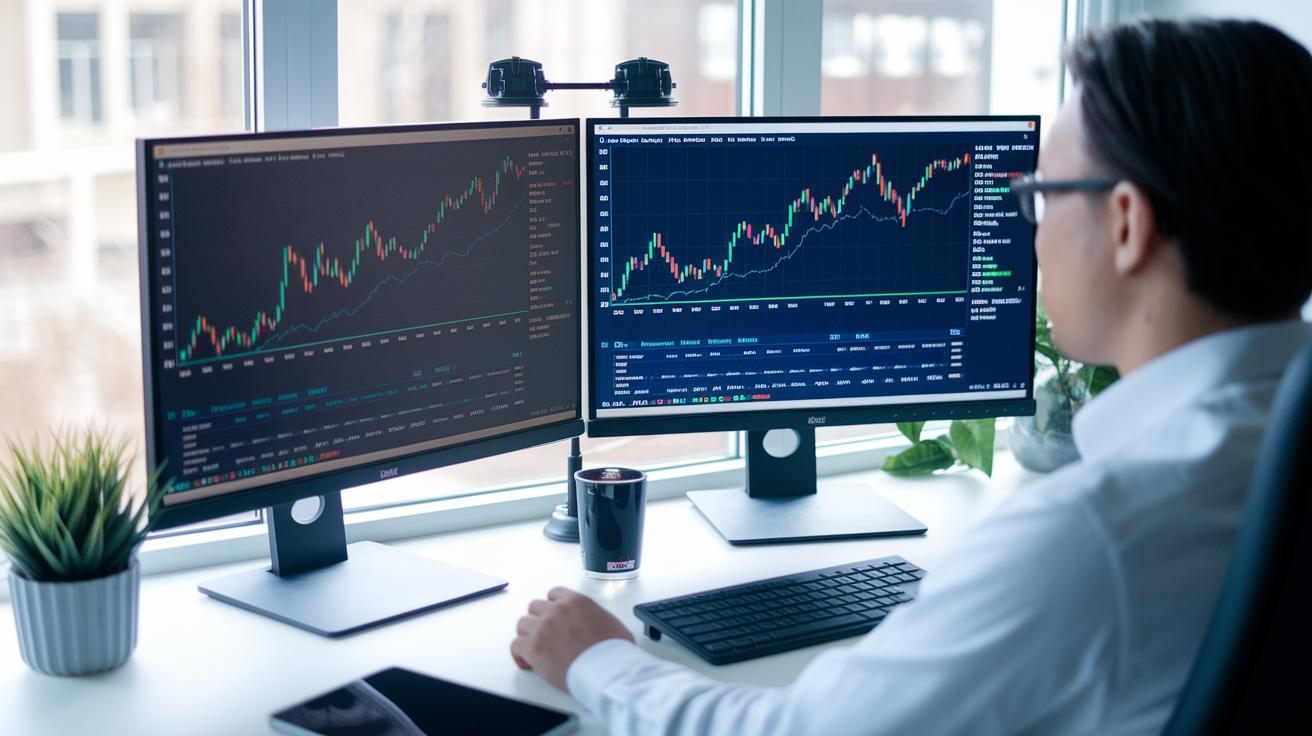
Trading volume shows how many units of a cryptocurrency are traded in a day. It's like checking out a busy store to see how many customers are coming in and out. When you see lots of trades, it tells you that many people are active in the market, giving you a clear view of its overall energy.
High trading volume is a good sign. It usually means the market has good liquidity, which leads to tighter price gaps and lower fees, making it easier to jump in and out of trades. Think of it like buying a popular item that's always in stock. But if the volume is low, trading can get tough. Prices might jump suddenly, like trying to buy a rare collectible in a quiet shop, which adds extra risk.
Keeping an eye on volume can also help you confirm price trends. When a price breakout happens with lots of trading, it feels more solid, reflecting strong market interest. If the breakout happens on very little volume, it might not stick, almost like a small wave in a vast ocean. And if you notice sudden volume spikes without any clear news, it could be a hint of market manipulation. Imagine a clearance sale that just pops up without any announcement; that's your cue to take a closer look at the risks.
Charting Crypto Volume: Interpreting Trading Volume Metrics
Relative volume shows us the current trading activity compared to past averages. Imagine your favorite convenience store. One day it’s quiet, and then suddenly it’s buzzing with people. That spike in action can hint at a new trend brewing. This metric gives traders a quick look at how the market is shifting.
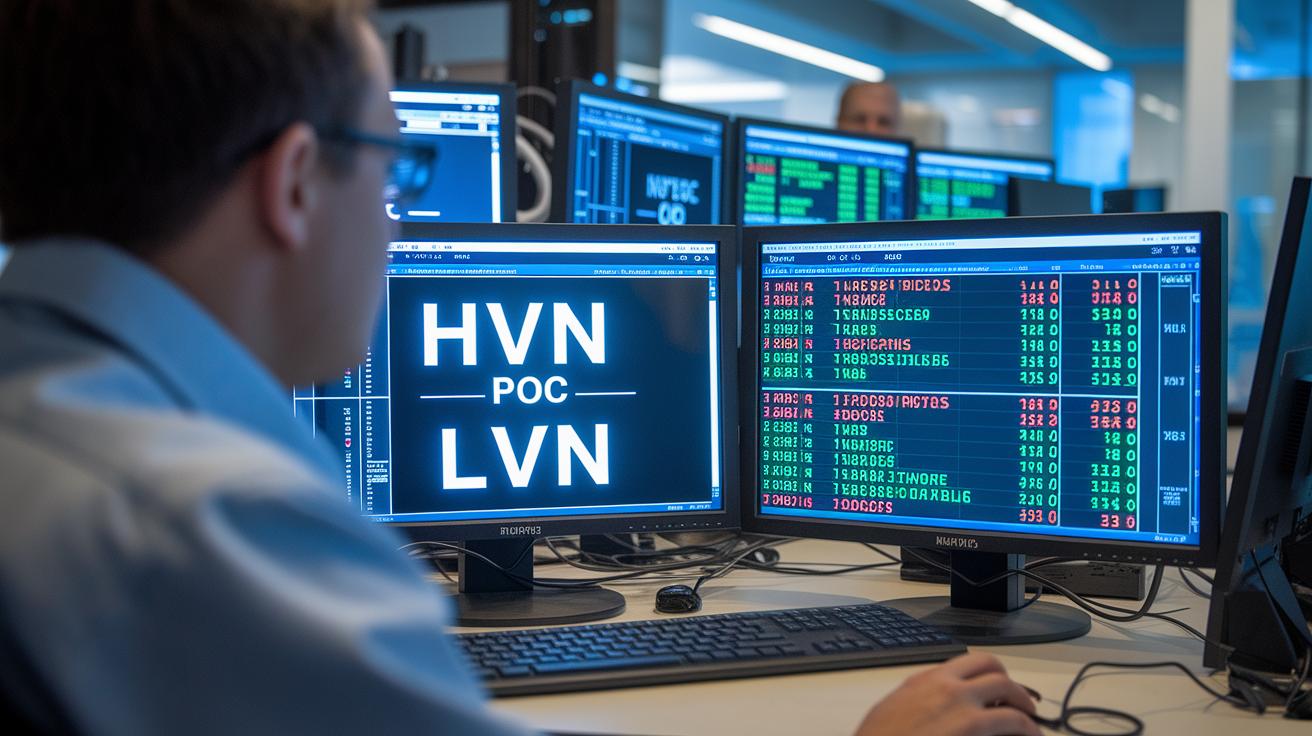
The composite volume profile splits a trading chart into clear sections. High Volume Nodes, or HVNs, are like busy market squares where lots of trading takes place. The Point of Control, or POC, marks the price level that sees the most action. On the flip side, Low Volume Nodes, or LVNs, are like quiet alleys that might show where prices are being pushed back. These zones help you see where the market feels strong or weak.
Volume versus delta analysis breaks down buy orders from sell orders. Think of it as watching shoppers rush into a store when something exciting pops up. This method helps traders figure out which side is in control and makes decision-making easier on both on-chain and exchange data. It’s a handy tool for making smart, quick trading choices.
Core Volume Indicators in Volume Analysis Crypto
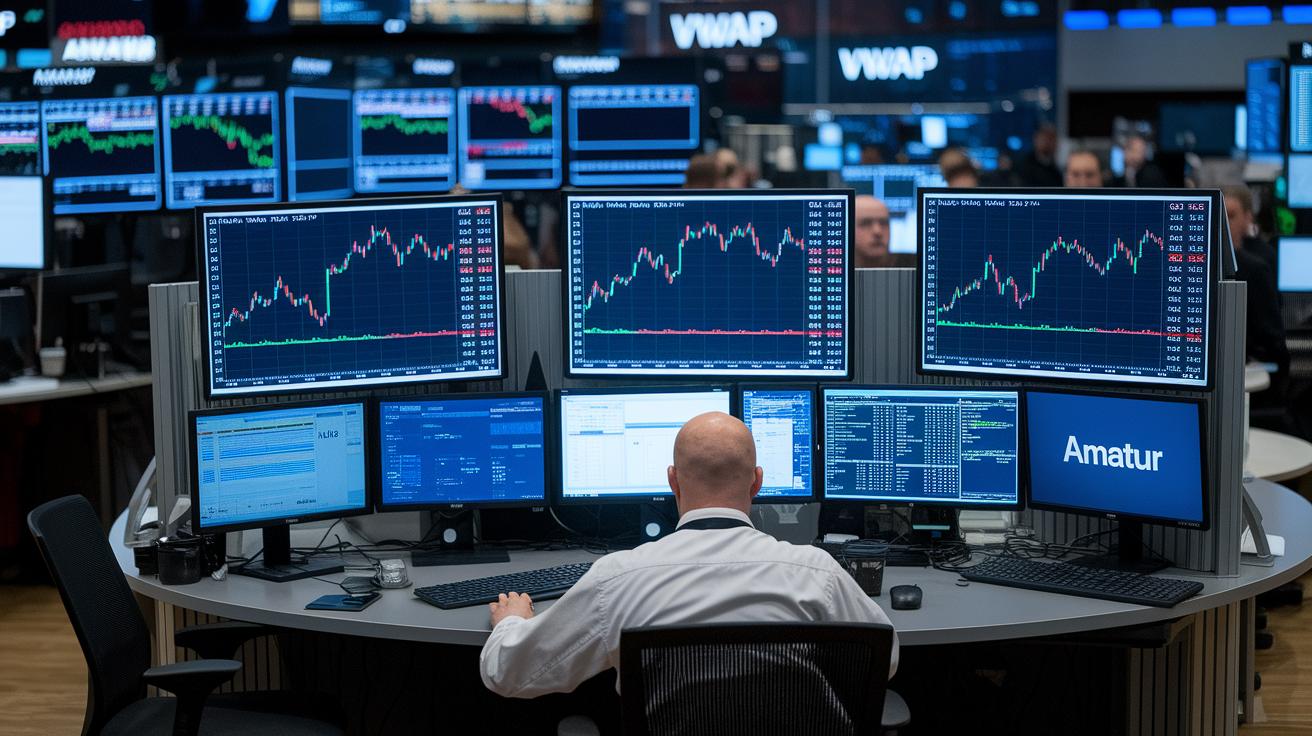
Volume-based technical tools are a must-have for traders who want to get a clear picture of market movements. These tools mix price data with volume numbers so you can really see how many people are buying or selling. It helps you spot trends that might not be obvious on regular charts and cuts out the extra noise from quick price moves.
-
Volume-Weighted Average Price (VWAP) works by weighing each price with its trading volume. It smooths out quick jitters during a busy day so you can tell if you’re trading above or below the norm.
-
Volume-Weighted Moving Average (VWMA) gives extra importance to prices that come with higher volume. This means it softens the bumpiness from wild price swings, which comes in handy when things get volatile.
-
On Balance Volume (OBV) adds up all the trade volumes to show if momentum is on your side. It increases on days when prices go up and drops when prices fall, helping you see if trends are backed by strong trading.
-
Chaikin Accumulation/Distribution Oscillator checks the push and pull in the market by looking at short-term and longer-term averages of volume changes. When its moves don’t match the price, it might be hinting at a change in market mood.
-
Money Flow Index (MFI) blends both price and volume to explain buying and selling pressure. It’s a handy way to gauge if there’s more cash coming in or going out.
Your choice depends on your style. If you like quick, day-to-day trades, VWAP and VWMA can give you fast clues. If you’re tracking momentum, OBV and the Chaikin tool might be your best friends. And if you need a full picture mixing price with volume, the MFI has you covered.
Advanced Volume Profile Techniques for Bitcoin and Altcoins
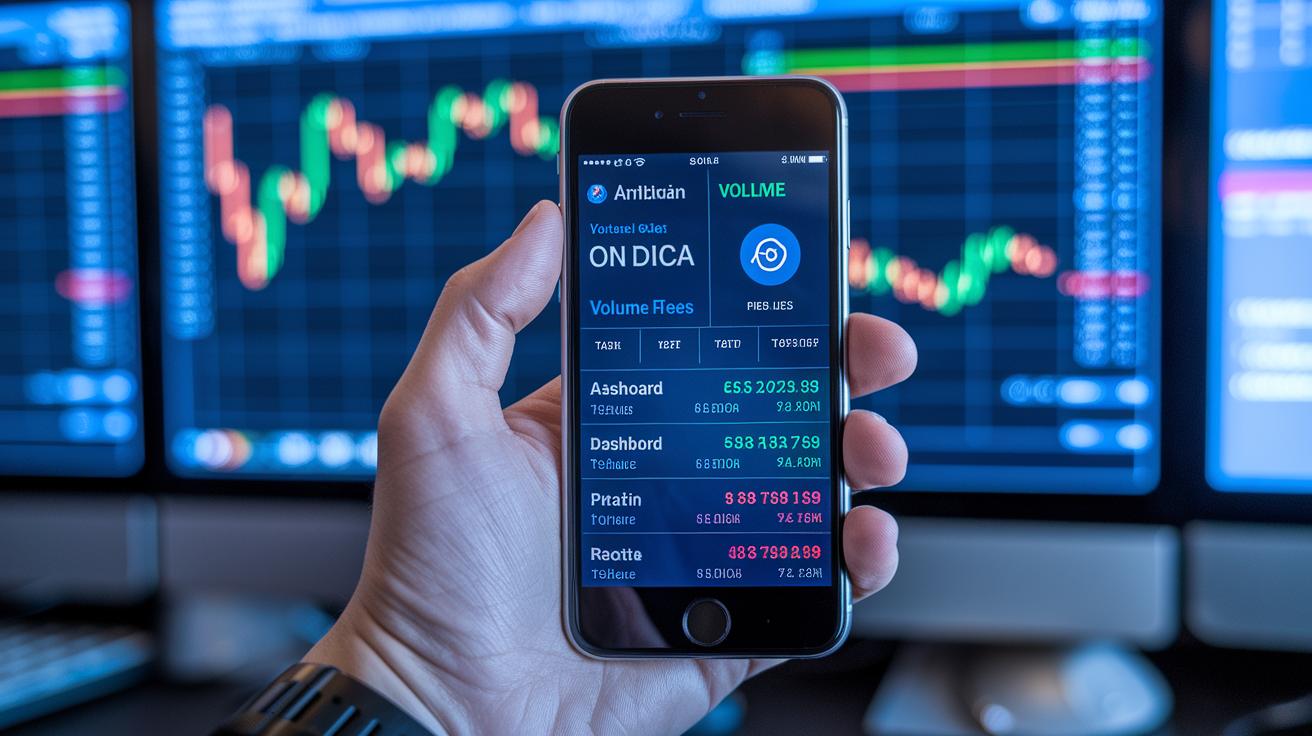
Advanced volume profiles mix on-chain data with exchange volume numbers to give you a clearer picture of market moves. Think of on-chain transaction counts and fee metrics as a heartbeat, they show you how active the network is. This insight can help you notice when the market is really heating up or cooling down, all in real time.
On-Chain Transaction Analysis
Tracking on-chain transfers and fees feels like checking the pulse of a digital economy. When you see transfer counts surge or fees spike, it hints at extra market activity that exchange data might miss. For example, during a past halving event, Bitcoin’s on-chain transactions jumped over 30% in just a few weeks, signaling major network buzz. These trends give traders a friendly heads-up about shifts in market sentiment that go beyond the usual volume numbers.
Composite Profile Integration
Blending exchange volume profiles with on-chain metrics gives you a deeper look at the market. Composite profiles break down a price chart into areas of high and low volume, like bustling streets next to quieter alleys. Mixing in ledger data sharpens support and resistance levels. This way, traders can spot where heavy volume meets light trading, indicating possible breakout or rejection points. It’s like overlaying a real-time energy map on a traditional chart so you really see where the market stands.
Linking these techniques with historical trends brings even more clarity. Volume surges during events like halving or ETF announcements often mark key turning points. Together, these approaches help traders time entries and exits by spotlighting moments when market sentiment is likely to shift.
Volume Analysis Crypto: Mitigating Market Manipulation
Sometimes sneaky trading tricks can make volume numbers look different from what they really are. Traders might engage in activities like wash trading or spoofing, where they trade with themselves or place fake orders. This gives the impression that there are more players in the market than there actually are.
Imagine a shop that looks busy because a few people keep swapping the same items over and over. That’s pretty much what happens in crypto markets when someone tries to pull a fast one. These fake numbers can lure traders into chasing trends that aren’t real, putting them at risk when prices swing unexpectedly.
One smart way to catch these tricks is by comparing order book data from different sources. If you notice a sudden jump in volume and nothing big is happening in the news, it might be a sign that off-exchange trades are trying to fool everyone.
For example, if one exchange suddenly shows a big spike in trades while others remain calm, it’s a signal to pause and take a closer look. By doing so, you can decide to adjust your position or tighten your stop-loss orders to protect yourself before making any large moves.
Real-Time Volume Analysis Crypto Tools and Dashboards
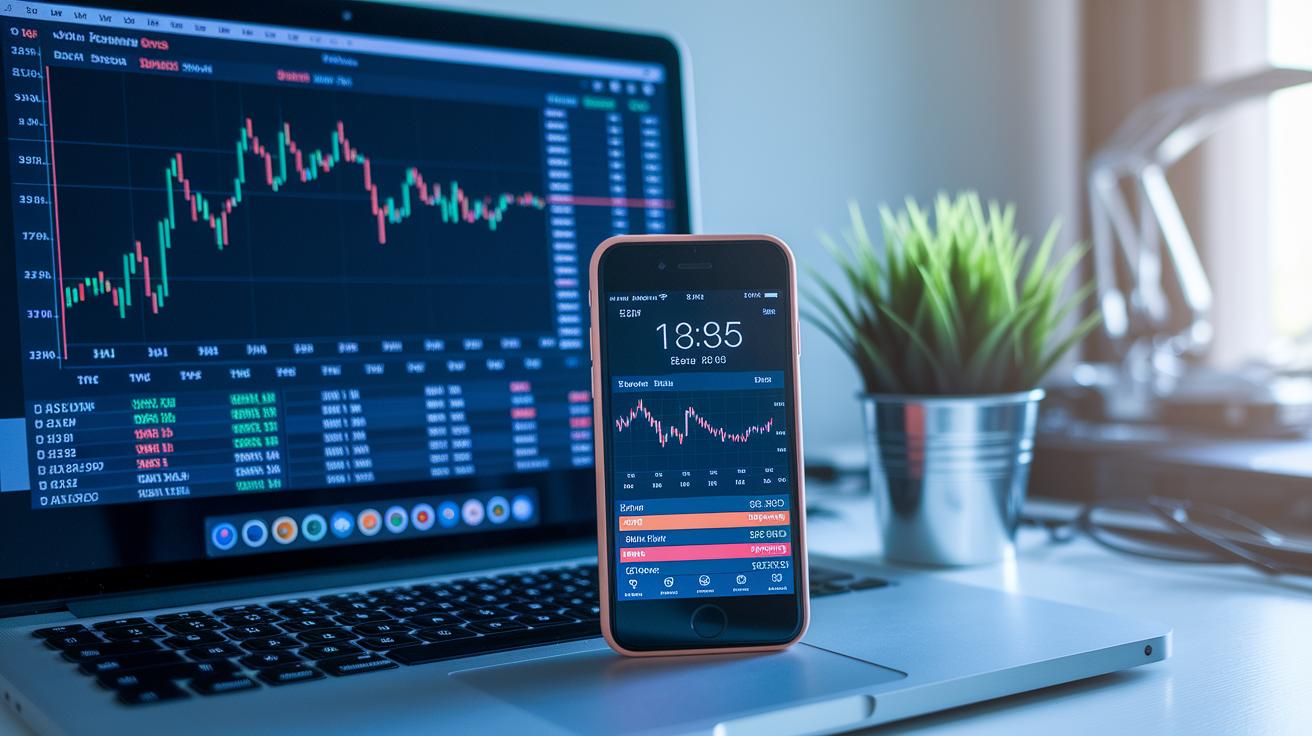
Real-time trackers for Bitcoin and altcoins show live USD volume, order book details, and easy-to-read heat maps that highlight market volatility. These dashboards display clear data the second it happens, much like watching the steady pulse of a trading screen. Whether you use a web app or a mobile dashboard, you get built-in chart overlays, alerts, and automatic data feeds so you never miss a beat. Imagine sitting down and seeing a sudden spike in live volume that hints at a major market move. That's exactly what these tools deliver. Plus, interactive charts let you zoom in by time period, exchange, or trading pair, so you can focus on the markets that catch your eye.
Customizing these tools lets you match your trading style with how the market behaves. Many platforms let you set personal alerts and adjust dashboard settings to capture the real-time changes that matter most to you. For example, some features let you filter data feeds to show only the volume details that fit your strategy. This flexibility means you can quickly adapt when sudden spikes hint at new chances or warn you of risks. With these customizable dashboards, you’re set to spot market signals clearly and act fast in the fast-moving world of digital asset trading.
Case Study: Spot ETF Effects on Volume Analysis Crypto
When Spot Bitcoin ETFs were introduced, trading volumes took off in a big way. Daily BTC to USD trading jumped by 35% at launch and stayed around 25% higher for the next three months. This shows how a new product can bring more people into the market, making trading busier and more exciting. And there’s more to it, exchanges with lower fees saw about 15% more trading when the ETF went live, highlighting that not just approvals but fee structures also shape trading trends.
| Metric | Pre-ETF | Post-ETF |
|---|---|---|
| Daily USD Volume | $1.00 Billion | $1.35 Billion |
| Exchange Market Share | 40% | 55% |
| Average Fee | 0.15% | 0.13% |
These numbers make it clear that a launch like this can really change the trading game. A boost in volume, along with shifts in market share and fee differences, gives traders hints about the best times to jump in or pull out. By keeping an eye on volume trends, traders can spot these opportunities early and make smarter choices as market trends emerge.
Final Words
In the action, we explored how trading volume helps reveal market moves. We covered digital asset volume metrics to understand liquidity, price trends, and risk signals, and outlined tools from real-time dashboards to on-chain metrics. Our discussion walked through technical indicators and case study insights, which show how volume analysis crypto signals can guide smarter trade decisions.
These insights offer a clear view of market activity and promise a secure path for crypto investments. Stay informed and keep building your digital finance strategy.
FAQ
Volume analysis crypto chart
The term “volume analysis crypto chart” refers to a chart tool that shows trading volume trends, helping you see where high or low market activity occurs.
Volume analysis crypto app
“Volume analysis crypto app” means an application that provides live volume data and helps monitor market trends by displaying trading volumes in real time.
What is the best volume analysis crypto tool?
The best volume analysis crypto tool combines live charts, real-time indicators, and clear data display, making trend spotting and liquidity assessment quicker for traders.
Live crypto dashboard
A live crypto dashboard offers up-to-date charts and volume figures, giving you a clear picture of ongoing market activity and support for informed decision-making.
Crypto volume analyzer
A crypto volume analyzer reviews accumulated volume data across platforms, helping to spot unusual market activity or shifts that could influence price trends.
Crypto dashboard app
A crypto dashboard app brings key trading data, including volume and price charts, into a mobile-friendly display that makes quick market reviews accessible anywhere.
What is a crypto dashboard template?
A crypto dashboard template is a ready-to-use layout designed for tracking volume and trading metrics, allowing users to quickly set up clear and concise market views.
The Block Crypto
The Block Crypto is a platform offering news and data on digital assets, with volume analysis features that help explain market activity and trends.
How to analyze volume in crypto?
Analyzing volume in crypto starts with comparing current volume against historical data, then using indicators to spot spikes that confirm trends or signal potential reversals.
What is the best volume indicator for crypto?
The best volume indicator for crypto often depends on your trading style, with many favoring tools like VWAP or OBV to validate trends and liquidity changes.
What is a good volume for crypto?
Good crypto volume means strong trading activity that usually supports price stability; it can vary by asset but generally indicates healthy market participation.
Does volume make crypto go up?
Volume doesn’t directly make crypto prices rise, but high volume often reinforces price moves and market trends, showing strong participation that may support upward price pressure.