
Have you ever thought about what a token in cryptocurrency really is? Think of them as special keys built on top of existing blockchains, these are digital ledgers that keep a secure record of transactions.
Tokens help you unlock services, show that something has value, and sometimes even let you have a say in how a project moves forward. You may have come across tokens like USDT and wondered why they are different from regular coins.
In this post, we'll break down tokens in simple, plain language so you can clearly see what they do and why they matter.
Key Definition: Understanding Cryptocurrency Tokens
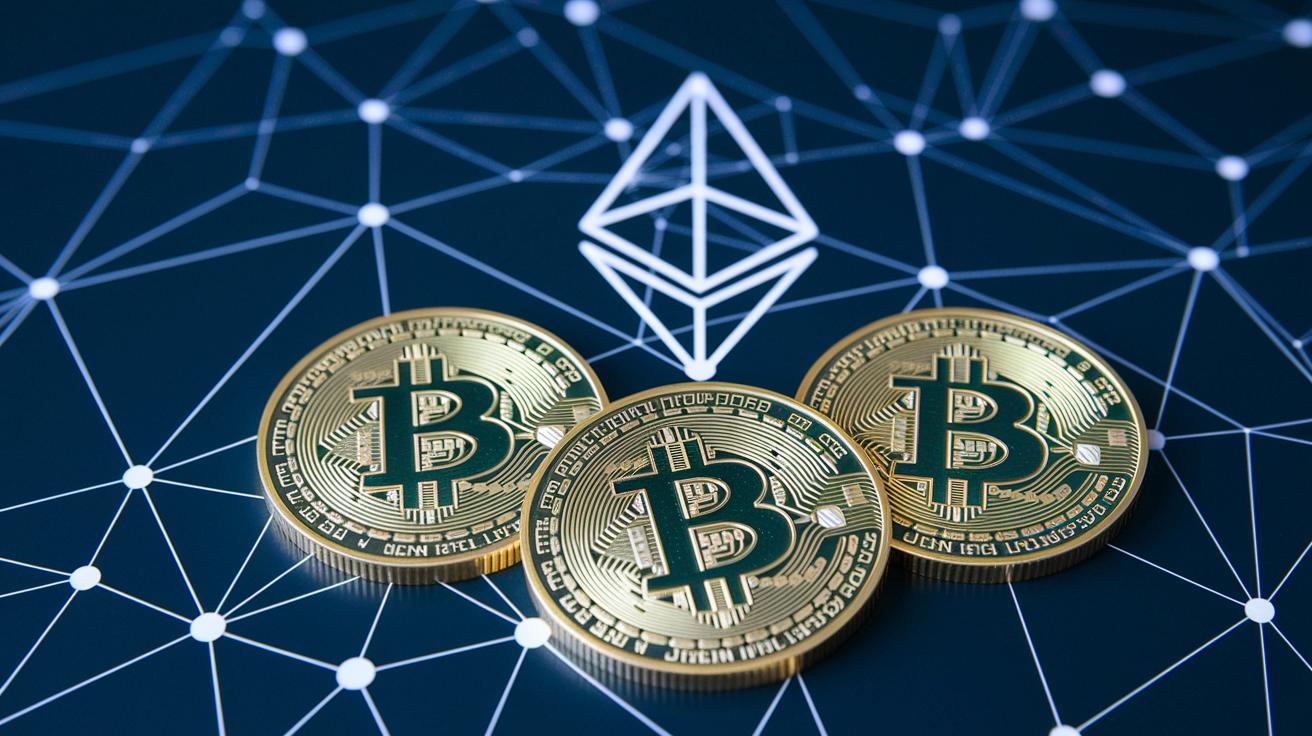
A crypto token is like a digital key built on an existing blockchain that lets you access or represent value. Instead of being its own thing, like Bitcoin, which runs on its own network, tokens are made on established blockchains such as Ethereum. Many tokens follow simple standards like ERC-20, which means they can be used for everyday transactions or platform access. And then there are ERC-721 tokens designed for unique digital collectibles. For example, Tether (USDT) is a token tied to the US dollar that works across multiple blockchains.
Tokens work thanks to smart contracts. These are like digital rules that automatically track the creation and movement of tokens on a ledger, so every transaction is logged clearly. This record-keeping brings transparency, while still keeping things private. While coins serve as the main currency of their network, tokens add extra features like voting rights or even linking digital assets to real-world items.
In short, tokens boost digital ecosystems by offering tailored functions that coins simply can’t. They’re a vital part of today’s blockchain world, making financial systems both more versatile and accessible.
Tokens vs Coins: Distinguishing Crypto Assets
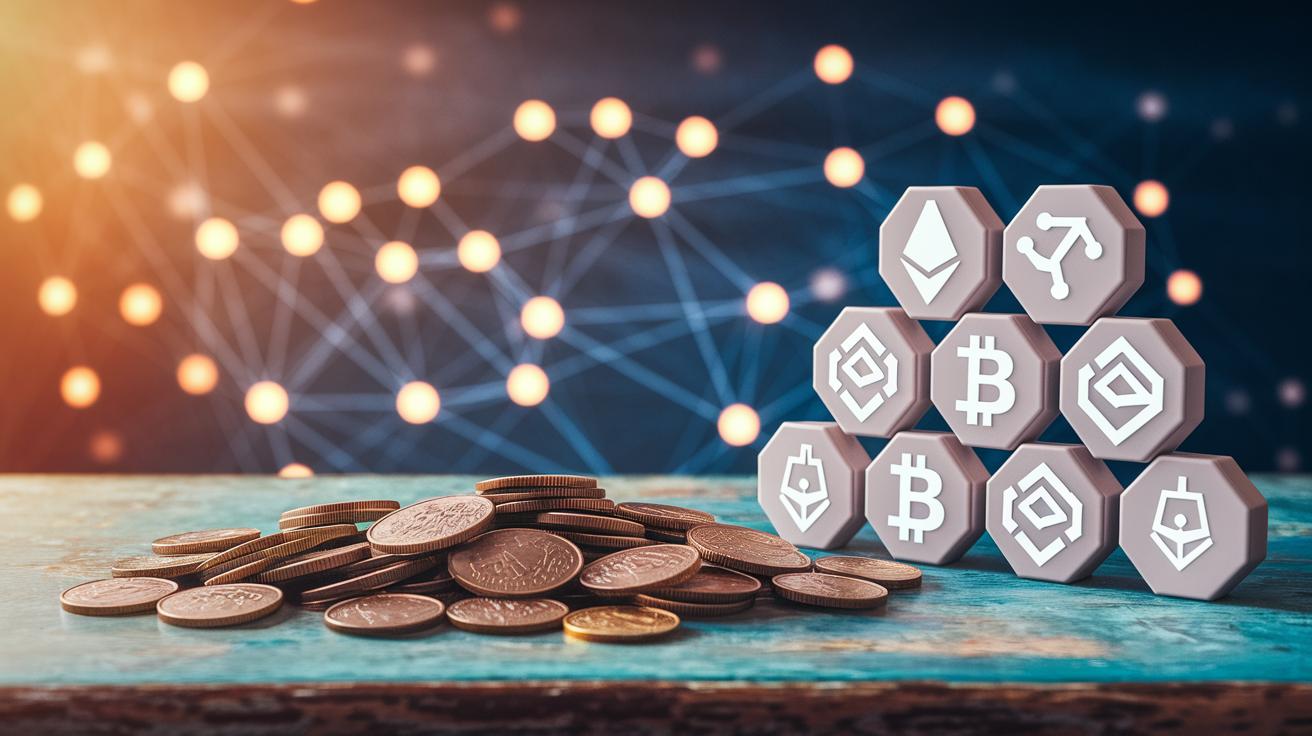
Coins come with their very own blockchains and are key players in running and securing the network. Tokens, however, operate on existing blockchains, letting developers create many different assets on one platform for varied purposes. Think of Bitcoin as a coin, and many tokens on Ethereum as tools for functions like access or voting. This simple split changes how each is built, adopted, and used, whether for everyday transactions or for specific tasks.
| Feature | Coin | Token |
|---|---|---|
| Origin | Native to its blockchain (e.g., Bitcoin) | Created on an existing blockchain (e.g., using Ethereum) |
| Interoperability | Usually limited to its own network | Can work across multiple platforms |
| Flexibility | Mainly functions as money and secures network operations | Supports a range of applications such as access rights and voting |
In short, coins and tokens have their own unique jobs in the digital asset arena. Coins serve as the core currency of their own blockchains, while tokens add extra layers of usefulness that open up new ways to interact with digital systems.
Types and Roles of Cryptocurrency Tokens
Utility Tokens
Utility tokens act like digital keys that let you into different features of a platform. They follow set rules, such as the popular ERC-20 on Ethereum, making them easy to use across many services. Essentially, these tokens work like tickets that let you trade, stake, or join decentralized apps, just like having a pass to a special part of the digital world.
Security Tokens
Security tokens give you a digital claim to real-world assets or portions of equity. They are built to follow strict legal standards, meaning each token is backed by a real asset or financial value. This creates a clear connection between traditional finance and new digital technology, making it easy to see who owns what in a trusted and regulated way.
Non-Fungible Tokens (NFTs)
NFTs are unique digital items that work like collectible treasures. Unlike other tokens that can be easily swapped, each NFT is one-of-a-kind. They are popular for digital art, collectibles, and even certificates of authenticity. Their unique nature makes them special and can even add value because no two are exactly alike.
Governance Tokens
Governance tokens give holders a chance to shape decisions on a digital platform. By holding these tokens, you get to vote on changes or upgrades, a bit like casting a vote in a community meeting. This hands-on role helps keep the platform in tune with what users want and builds a sense of trust among the community.
How Crypto Tokens Are Created: Issuance and Smart Contracts
Tokens are born from smart contracts, which are like tiny programs running on blockchains such as Ethereum. Developers write these programs to set up essential details like the token’s name, symbol, total supply, and decimal parts. Think of it as a digital vending machine that automatically handles token transactions by following a set of clear rules, so every move is safely recorded on the blockchain.
After that, you need to choose a token standard, such as ERC-20 for tokens that are all the same or ERC-721 for unique digital items. This choice is important because it tells wallets and apps how to work with your token. It’s a bit like picking the right type of game piece where every token has to fit a certain mold. For example, if you’re making a token for digital coupons, ERC-20 keeps all the tokens identical and easy to use.
Every step in creating a token puts security first. Developers run code checks and thorough reviews to find and fix any problems before the token goes live. This testing is like inspecting a bridge before letting vehicles pass over it, it gives everyone peace of mind that the smart contract is strong and reliable. These careful steps build trust and keep users safe.
Real-World Token Examples and Their Use Cases
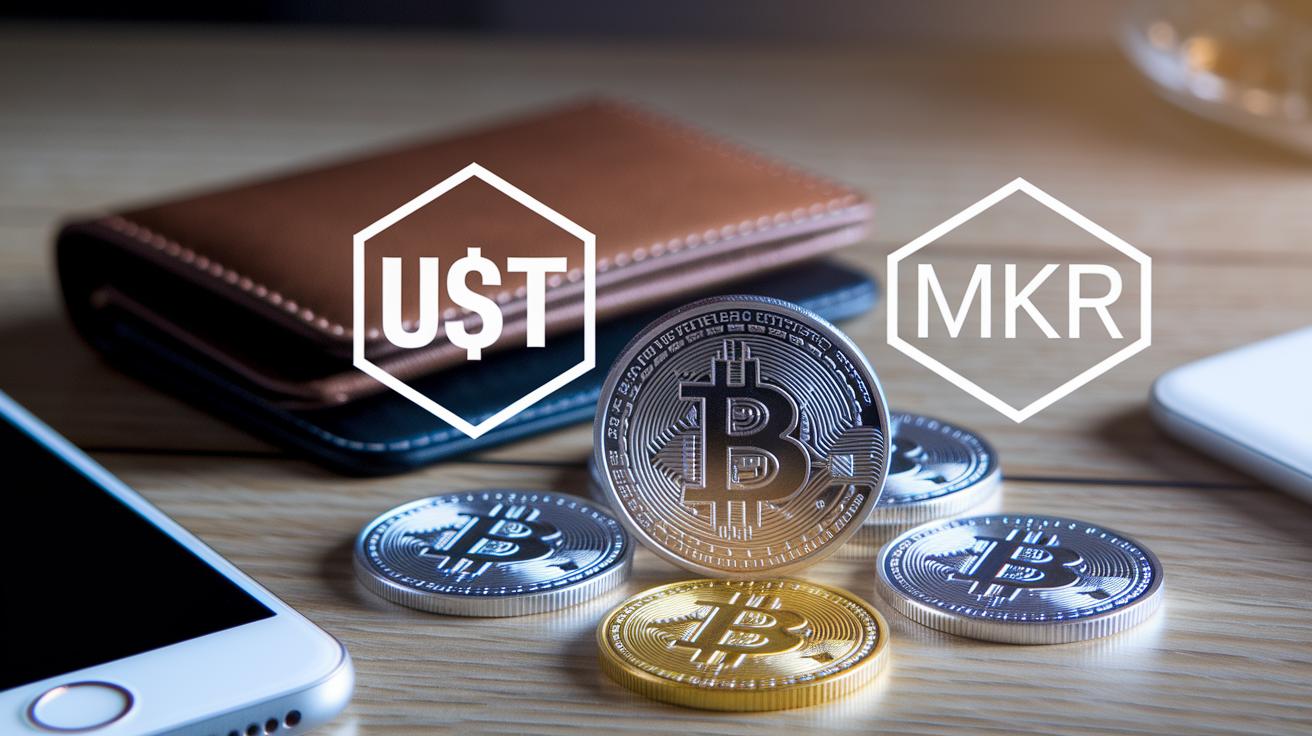
Digital tokens are like the bridge between old-school money and the new digital world. Think of them as tools that let you do many things, from simple payments to helping run a digital community. For example, Ethereum hosts nearly 500,000 tokens, each with its own job. Tether (USDT) acts like a digital version of the dollar, letting you trade stably. CryptoKitties are like digital collectibles, while Maker (MKR) gives holders a say in how things run. Sometimes tokens even switch lanes by moving between different blockchains or get "burned" to manage supply, which keeps their value solid and trustworthy.
| Token Name | Blockchain | Type | Use Case |
|---|---|---|---|
| Tether (USDT) | Ethereum/Tron | Stablecoin | Digital dollar trading |
| CryptoKitties | Ethereum | NFT | Digital collectibles |
| Maker (MKR) | Ethereum | Governance | Protocol management via voting |
This token world is very flexible. It supports everyday transactions and special financial tasks. Whether you're swapping tokens between chains or using burn methods to keep supply in check, these digital tokens are changing how we handle money. They make it easier for everyone to store value, trade, and manage digital assets in a fast-changing market.
Securing and Storing Crypto Tokens: Wallets and Custody
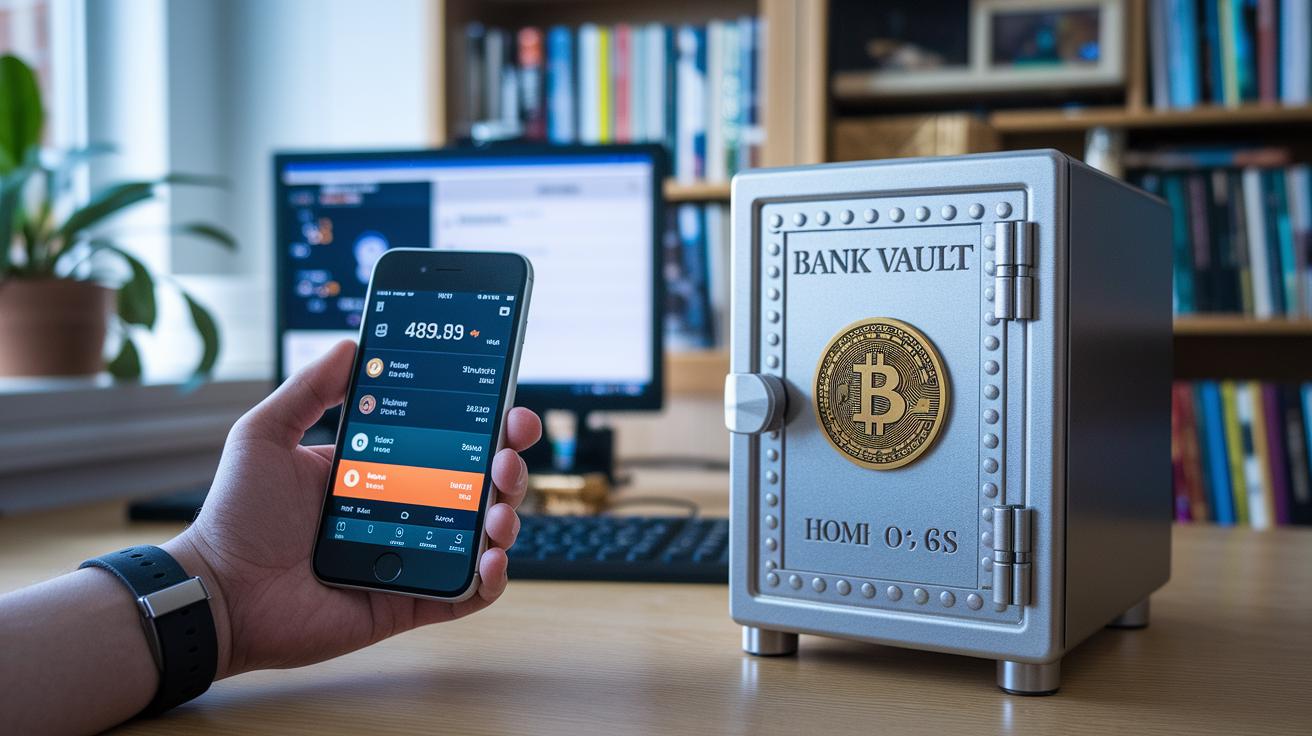
Non-Custodial Wallets
Non-custodial wallets give you full control over your digital tokens because you keep your private keys yourself. Tools like MetaMask or hardware wallets support popular token types, which means you can easily manage different assets. It’s like having your own safe for your money, you hold the combination, and no one else can open it. This method lets you steer clear of third parties, so your tokens remain secure as long as you guard your keys.
Custodial Services
Custodial services take a more hands-off approach by letting a trusted company hold your tokens for you. They manage your private keys and make sure your wallet works well with the token standards you use. Think of it like leaving your cash in a bank; it’s convenient, but there’s always some risk if things go wrong. If the service has problems, it could lead to delays or even losses for you.
Always remember to back up your private keys. Without a safe backup, losing your key means losing access to your tokens.
Challenges, Risks, and Future Trends in Token Adoption
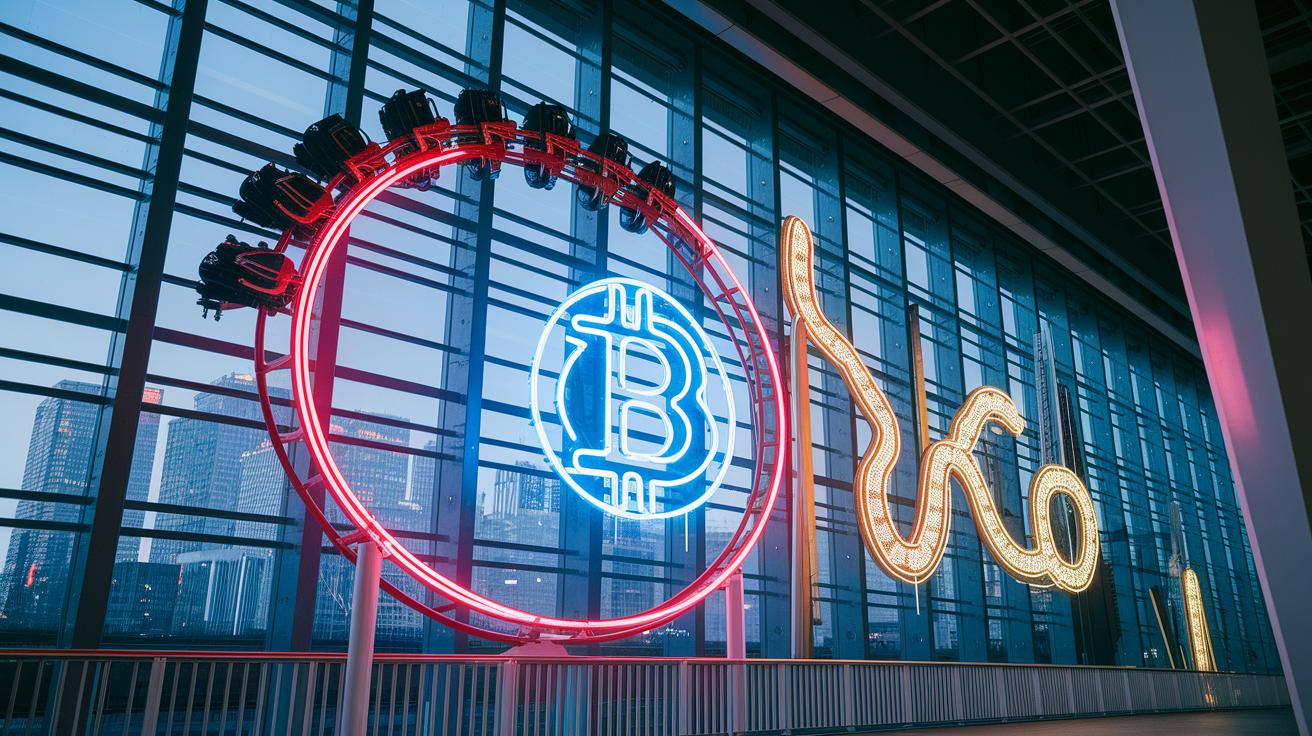
Tokens can change price quickly based on how many people want to buy or sell them. This can make the market feel a bit like a wild ride, much like a roller coaster at a busy amusement park. Even those who know a lot about tokens can be surprised by such sudden ups and downs. New rules are coming into play too. Regulators are beginning to set clear guidelines that separate security tokens from utility tokens. These rules are meant to keep investors safer while still letting token projects innovate.
Recent innovations are changing the token world in exciting ways. For example, fractional asset tokenization lets more people invest in items that used to be too expensive for many. And with cross-chain interoperability, tokens can easily move across different blockchain systems, reaching a broader audience.
When it comes to investing, it’s important to think about how tokens work alongside modern digital finance tools like decentralized finance. Experts suggest talking to a professional to balance the chance for profits with the risks involved. It reminds us that a bit of careful planning and knowing what to expect can help steer us through this fast-changing market.
Final Words
In the action, we covered how crypto tokens work on blockchains, contrasting them with native coins and highlighting their varied roles like utility, security, and governance. We stepped through their creation via smart contracts and wrapped up with real-world examples that illustrate what is a token in cryptocurrency.
This article also touched on crucial topics like safeguarding tokens in wallets and the risks linked to market shifts. It’s all about stepping up your informed crypto investment strategies with a secure, clear approach.
FAQ
What is a token in a cryptocurrency wallet and what does it mean in crypto?
A token in a cryptocurrency wallet is a digital asset built on an existing blockchain. It represents value, rights, or access, unlike a native coin that powers its own network.
What is the difference between a crypto coin and a token?
A coin functions on its own blockchain as a digital currency, while a token is created on an existing blockchain and can represent various assets or access rights.
How do I convert crypto tokens to cash?
Converting crypto tokens to cash involves selling them on a cryptocurrency exchange, then withdrawing the funds to your bank account through standard trading and cash-out procedures.
What does crypto token price indicate?
Crypto token price indicates its current market value, often quoted in US dollars or another currency, and reflects market activity like supply, demand, and trading volume.
What does token mean in programming?
In programming, a token is a small piece of data used as an identifier or key in digital systems, helping verify user access or control transactions in secure environments.
Can a token become a coin?
A token cannot naturally become a coin since coins operate on their own blockchain. However, developers may migrate a token to its own blockchain, effectively creating a coin-like asset.